
Appetizers

- 1 cup fresh spinach, chopped - 1 cup canned artichoke hearts, drained and chopped - 1/2 cup cream cheese, softened - 1/2 cup grated mozzarella cheese - 1/4 cup grated parmesan cheese You want fresh spinach for its bright taste. Artichoke hearts add a nice, tangy kick. Cream cheese makes the filling rich and creamy. I love using mozzarella for its meltiness. Parmesan brings a salty, nutty flavor. - 1 package puff pastry (2 sheets), thawed - 1 garlic clove, minced - 1 teaspoon lemon juice Puff pastry is key for that flaky crust. Garlic gives the filling a savory aroma. Lemon juice adds brightness, making the flavors pop. - Salt and pepper to taste - 1 egg, beaten (for egg wash) Season your filling with salt and pepper to match your taste. The egg wash helps create a golden, shiny finish. These ingredients come together for a delicious, easy-to-make dish. Check out the Full Recipe for all the details! 1. Preheat Oven and Prepare Baking Sheet First, preheat your oven to 375°F (190°C). This step is important for a crisp crust. While the oven heats up, line a baking sheet with parchment paper. This helps prevent sticking and makes clean-up easy. 2. Mix Filling Ingredients In a mixing bowl, combine the following ingredients: - 1 cup fresh spinach, chopped - 1 cup canned artichoke hearts, drained and chopped - 1/2 cup cream cheese, softened - 1/2 cup grated mozzarella cheese - 1/4 cup grated parmesan cheese - 1 garlic clove, minced - 1 teaspoon lemon juice - Salt and pepper to taste Mix well until you have a creamy filling. Make sure every ingredient is blended nicely. This filling is the star of your hand pies. 1. Roll Out Puff Pastry Lightly flour your workspace to prevent sticking. Roll out each sheet of puff pastry to about 1/8 inch thick. Then, cut each sheet into 4 equal squares. You should have 8 squares total. 2. Fill and Seal the Pies Place about 2 tablespoons of the spinach and artichoke filling in the center of each pastry square. Carefully fold the pastry over to create a triangle shape. Press the edges together to seal. You can use a fork to crimp the edges for a nice touch. 1. Egg Wash for Golden Finish Brush the tops of the hand pies with the beaten egg. This gives them a beautiful golden color when baked. 2. Baking Time and Temperature Place the hand pies on the prepared baking sheet. Bake them in the preheated oven for about 20-25 minutes. They should be golden brown and puffed up. Once baked, allow them to cool for a few minutes before serving. For more details, refer to the Full Recipe. Enjoy making these tasty bites! Avoiding Soggy Bottoms To keep your hand pies crisp, prevent soggy bottoms. Use a baking sheet lined with parchment paper. This helps air flow and keeps the base dry. When you fill the pies, don't let the filling touch the edges. This helps seal them better, keeping moisture inside. Achieving Flakiness in Pastry Flaky pastry makes hand pies special. Make sure your puff pastry is cold when you roll it out. Cold butter in the dough creates those lovely layers. Don’t overwork the dough; less handling keeps it light and fluffy. Decorative Edge Techniques A good edge can make your hand pies pop. Use a fork to crimp the edges. This not only seals them but adds a cute touch. You can also twist the edges for a fancy look. Serving Suggestions Serve your hand pies on a colorful plate. A wooden board makes a great backdrop too. Add a small bowl of marinara sauce or sour cream for dipping. Fresh herbs on top make everything look even better. Overfilling Hand Pies It’s tempting to add lots of filling. But too much can cause leaks. Stick to about 2 tablespoons of filling for each pie. This keeps them sealed and makes them easier to eat. Not Prepping Ingredients Properly Make sure your spinach and artichokes are well-drained. Extra water can make your filling too runny. Take time to chop everything finely. This helps with even cooking and a good bite. For the full recipe, check the main section. {{image_2}} - Using Kale Instead of Spinach: Kale is a great swap. It adds a nice crunch and extra nutrients. Simply chop it finely and use it just like spinach. - Alternative Cheeses for Flavor: Try different cheeses! Cream cheese gives a creamy base, but you can also use goat cheese for tang or feta for a salty kick. - Adding Sun-Dried Tomatoes: Sun-dried tomatoes bring a sweet and tangy flavor. Chop them up and mix them into the filling for a burst of flavor. - Spicing it Up with Red Pepper Flakes: If you like heat, add red pepper flakes. Just a pinch can elevate your hand pies to a new level of tasty. - Gluten-Free Puff Pastry Options: You can find gluten-free puff pastry in stores. It works well and keeps the pie crust flaky and light. - Vegan Alternatives for Cheese: For a vegan option, use cashew cream or vegan cream cheese. They mimic the creaminess without dairy. Feel free to mix and match these ideas to make your Spinach Artichoke Hand Pies your own! You can check the Full Recipe for more details on how to make them. To keep your hand pies fresh, store them in an airtight container. You can also wrap them in plastic wrap. This helps prevent them from drying out. Place the container in the fridge for up to three days. For the ideal storage conditions, keep them in a cool, dry place. Avoid stacking them directly on top of each other to stop them from getting squished. When it comes to reheating, you have two main options: the oven or the microwave. The oven works best for keeping the crust crispy. Preheat your oven to 350°F (175°C) and bake the hand pies for about 10-15 minutes. This will make them warm and flaky again. If you use the microwave, heat them for 30 seconds at a time. This method can make the crust soft, so it's not my first choice. You can freeze the hand pies either before or after baking. If you freeze them before baking, wrap each pie in plastic wrap and place them in a freezer bag. They can stay in the freezer for up to three months. When you’re ready to bake, there's no need to thaw them. Just bake them for about 25-30 minutes at 375°F (190°C). If you freeze them after baking, let them cool first. Wrap them tightly and store them the same way. Thaw in the fridge before reheating in the oven for the best texture. To make Spinach Artichoke Hand Pies from scratch, follow these simple steps: 1. Preheat the oven. Set it to 375°F (190°C). Line a baking sheet with parchment paper. 2. Mix the filling. In a bowl, combine chopped spinach, artichoke hearts, cream cheese, mozzarella, parmesan, minced garlic, lemon juice, salt, and pepper. Stir until creamy. 3. Prepare the pastry. Roll out puff pastry on a floured surface. Cut it into 4 squares from each sheet, making 8 squares total. 4. Fill the pastry. Put about 2 tablespoons of the filling in the center of each square. 5. Seal the pies. Fold the pastry over to form triangles. Press edges to seal and crimp them with a fork. 6. Apply egg wash. Brush the tops with beaten egg for a golden finish. 7. Bake them. Place on the sheet and bake for 20-25 minutes until golden brown. 8. Cool and serve. Let them cool for a few minutes before enjoying. For more details, check the Full Recipe. Yes, you can use frozen spinach for these hand pies. Frozen spinach is a great time-saver. Here are some tips: - Thaw it first. Make sure to thaw the spinach completely. Drain any excess water to avoid a soggy filling. - Chop it finely. If your frozen spinach is in chunks, chop it well before mixing it with other ingredients. - Taste check. Frozen spinach can be more bland than fresh, so add a bit more salt or lemon juice to enhance the flavor. Dipping sauces can elevate your Spinach Artichoke Hand Pies. Here are some popular options: - Marinara sauce. A classic choice that adds a tangy kick. - Sour cream. Creamy and cool, it balances the warm hand pies. - Ranch dressing. A favorite for those who love creamy flavors. - Hot sauce. For a spicy twist, drizzle your favorite hot sauce over the pies. Feel free to experiment with different sauces to find your favorite! In this post, we explored how to create tasty Spinach Artichoke Hand Pies. We covered fresh ingredients, pantry staples, and optional add-ins that enhance flavor. You learned step-by-step instructions on preparation, assembly, and baking. I shared tips to prevent sogginess and make your pies shine. Remember, you can make swaps for dietary needs and store leftovers wisely. With this guide, you can enjoy delicious hand pies anytime. Get cooking and savor each bite!
Spinach Artichoke Hand Pies Tasty and Easy Recipe
If you love savory snacks, you’re in for a treat! Spinach Artichoke Hand Pies are not only tasty but also easy to make. Imagine flaky
- 4 ears of fresh corn, husked - 1/2 cup unsalted butter, melted - 2 tablespoons lime juice - 1 teaspoon chili powder - 1/2 teaspoon garlic powder - Salt to taste - Fresh cilantro, chopped, for garnish - Cotija cheese, crumbled (optional) - Grill - Grill brush - Basting brush - Mixing bowl When grilling corn on the cob, fresh ingredients make a big difference. Choose corn that is bright and firm. Remove the husks and silk carefully. This step is important to get an even cook. For the best taste, I use a mix of butter, lime juice, chili powder, and garlic powder. This blend adds flavor that complements the sweet corn. You can adjust the salt to your taste, too. Having the right tools is key. A grill brush helps clean the grates before cooking. A basting brush lets you apply the butter mix evenly. A mixing bowl is handy for preparing your seasoning. With these ingredients and tools, you will be ready to create a great grilled corn dish. Use the [Full Recipe] for more details on how to grill corn perfectly. To start, you need to husk the corn properly. First, grab an ear of corn. Hold the base and pull down the green outer layers. Remove all the leaves. Then, tear off the silk strands that stick to the kernels. This step is key. If you skip it, the silk can burn on the grill. For the seasoning mix, gather these ingredients: - 1/2 cup unsalted butter, melted - 2 tablespoons lime juice - 1 teaspoon chili powder - 1/2 teaspoon garlic powder - Salt to taste In a small bowl, pour in the melted butter. Add the lime juice, chili powder, garlic powder, and a pinch of salt. Stir it all together until smooth. This mix will give your corn great flavor. Now, let's talk about grilling. You can use direct or indirect heat. For direct heat, place the corn right over the flames. For indirect heat, move it to the cooler side of the grill. Grill the corn for about 10 to 15 minutes. Turn it every few minutes. This helps it cook evenly. Look for nice char marks on the kernels. These marks show the corn is ready. For more tips, feel free to check out the [Full Recipe]. It gives you all the details to make grilled corn delight! To tell when corn is done, look for a few signs. First, the kernels should look bright and plump. You want them to have a slight char, with some golden brown spots. When you press a kernel, it should burst with juice. This means it’s tender and ready to eat. To avoid burning, watch the heat. Medium-high heat works best. Turn the corn every few minutes to cook it evenly. If you notice any dark spots, rotate it away from direct heat. This will help prevent charring. You can try different seasonings to boost flavor. Besides the basic butter, lime, and chili powder, add smoked paprika for a smoky taste. Try a sprinkle of parmesan cheese or even some ranch powder for a fun twist. For sides, grilled corn pairs well with fresh salads, grilled meats, or spicy dips. A creamy avocado dip or a tangy salsa can match perfectly. These sides add depth to your meal, making it more enjoyable. Always be careful when grilling. Before starting, check that the grill is clean. Use long tongs to handle the corn. This keeps your hands safe from the heat. When grilling corn, keep a water spray bottle nearby. If flames flare up, a quick spray can help control them. Make sure to wear heat-resistant gloves when handling hot corn. This will help you avoid burns and keep your grilling experience safe. For a detailed recipe, check out the Full Recipe. {{image_2}} I love to mix up the flavors when grilling corn. For a spicy kick, try adding jalapeños. Chop one or two jalapeños and mix them with your seasoning. This will give your corn a nice heat. If you want something sweet, use honey or maple syrup. Brush it on just before serving for a tasty glaze. These simple changes can make your corn stand out! You can grill corn in different ways. One great method is using a foil pack. Just wrap the corn in foil after seasoning it. This keeps the moisture in and makes it tender. Place the foil pack on the grill for about 15 minutes. Another method is using a grill basket. This helps you handle multiple ears at once. Just place the corn in the basket, and grill as usual. This method is great for easy flipping and even cooking. For gluten-free diets, check your seasonings. Most spices are gluten-free, but always read the labels. You want to make sure nothing sneaks in that could cause issues. If you're looking for vegan options, try using olive oil instead of butter. It adds flavor without any dairy. You can also use plant-based butter for a similar taste. These small swaps keep your grilled corn tasty for everyone! Feel free to explore these ideas in the [Full Recipe]. After grilling, let the corn cool down. Wrap each ear in plastic wrap or foil. This keeps the corn fresh. Store it in the fridge. Grilled corn lasts about 3 to 5 days when stored properly. To reheat grilled corn, use one of these methods: - Microwave: Place corn on a plate, cover it with a damp paper towel, and heat for 30 seconds to 1 minute. - Oven: Preheat your oven to 350°F (175°C). Wrap corn in foil and heat for about 10 minutes. - Grill: Reheat on the grill over medium heat for 5 to 7 minutes, turning occasionally. You can freeze grilled corn. Wrap it tightly in plastic wrap and then in foil. It keeps well in the freezer for up to 6 months. When ready to eat, thaw in the fridge overnight before reheating. You can find the full recipe for grilled corn at the beginning of this article. The best way to grill corn is simple. Start by husking the corn. Remove all the silk. Preheat your grill to medium-high heat. Brush the corn with a mix of melted butter, lime juice, chili powder, garlic powder, and salt. This mix adds flavor. Place the corn on the grill and cook for 10-15 minutes. Turn it every few minutes. You want it charred and tender. Quick tips for optimal grilling: - Use fresh corn for the best taste. - Keep the grill clean to avoid sticking. - Always turn the corn for even cooking. Yes, you can grill corn in husks. This method keeps the corn moist. It also gives a unique flavor. However, there are some downsides. The corn may take longer to cook. You won’t get the nice charred marks. Pros of grilling in husks: - Retains moisture. - Adds a subtle flavor. Cons of grilling in husks: - Longer cooking time. - No charred texture. You can tell corn is done by its look and feel. The kernels should be bright and plump. They should also be tender when pierced. A good rule is to check after 10 minutes. If it has nice grill marks, it’s likely ready. Key indicators of doneness: - Bright yellow kernels. - Tender texture when poked. - Good grill marks on the surface. Follow these tips, and your corn will come out perfect every time! For a full recipe, check out the Grilled Corn Delight. Grilling corn brings unique flavors and fun to your meals. We covered key ingredients, tools, and simple steps for perfect corn. You learned grilling tips, flavor options, and storage methods to save leftovers. Enjoy experimenting with different toppings and cooking styles to make your corn dishes stand out. With practice, you'll master grilling corn like a pro. Have fun and happy grilling!
How to Grill Corn on the Cob Perfectly Every Time
Grilling corn on the cob is a simple way to impress your friends and family. With just a few fresh ingredients and some easy techniques,
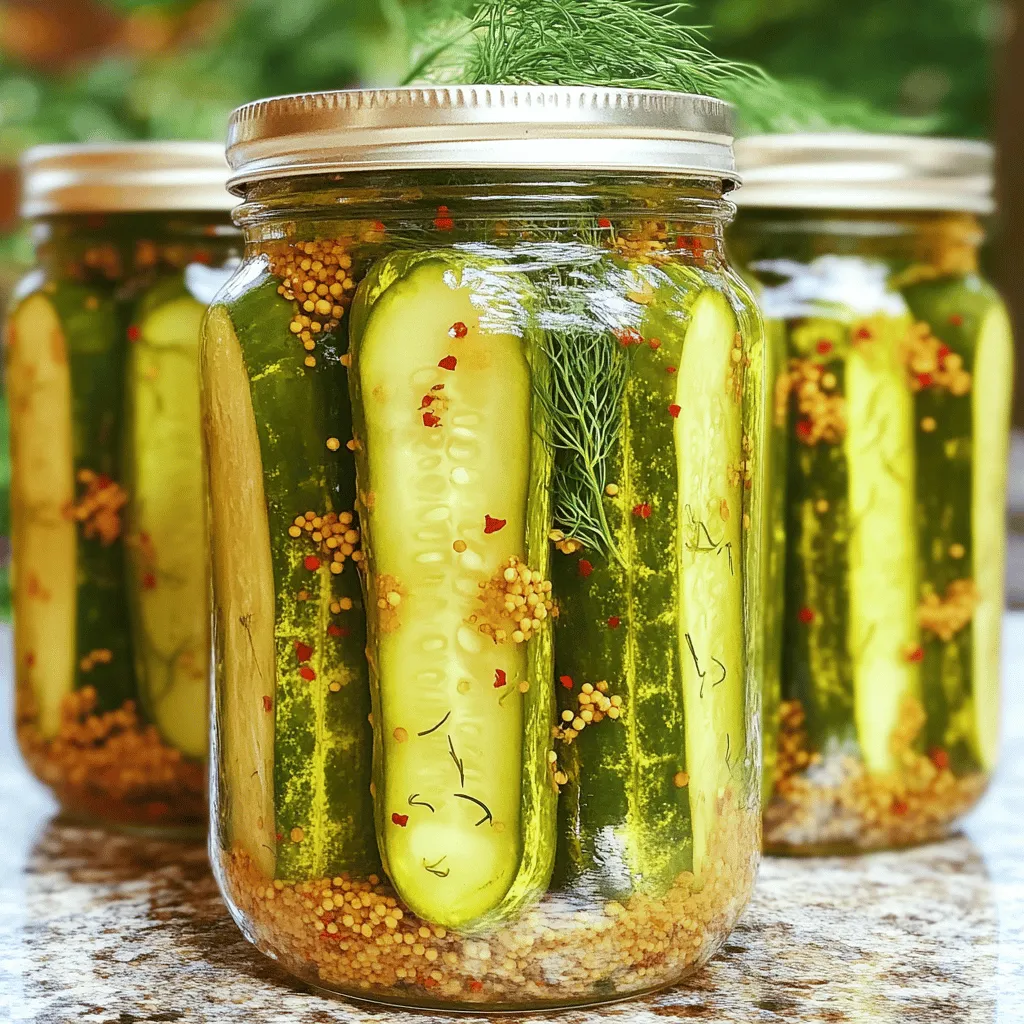
- 4 cups small cucumbers (pickling cucumbers are best) - 2 cups water - 1 cup white vinegar - ¼ cup sea salt - 1 tablespoon sugar - 3 cloves garlic, crushed - 2 teaspoons dill seeds - 1 teaspoon mustard seeds - ½ teaspoon red pepper flakes (optional, for a spicy kick) - Fresh dill sprigs for garnish When making crunchy pickles, the right ingredients matter. I always choose small pickling cucumbers. They give the best crunch and flavor. You need white vinegar and water to create the brine. Sea salt is key for flavor and texture. Don't forget the sugar; it balances the tartness. For flavor, I love adding garlic and dill seeds. They enhance the pickles' taste. If you like a kick, add red pepper flakes. Mustard seeds also bring a nice tang. Finally, fresh dill sprigs are great for garnishing. They add a pop of color and more flavor. This combination makes your pickles not just crunchy but also delicious. For the full recipe, check out my Crunchy Dill Pickle Delight. First, wash the cucumbers well. This step is key to keeping them clean. For extra crunch, soak them in cold water for two hours. This helps pull moisture out of the cucumbers. Next, cut off the blossom end. This part can cause pickles to soften, so don’t skip it. Now, let’s make the brine. In a medium saucepan, combine the following ingredients: - 2 cups water - 1 cup white vinegar - ¼ cup sea salt - 3 cloves garlic, crushed - 2 teaspoons dill seeds - ½ teaspoon red pepper flakes (optional) - 1 teaspoon mustard seeds - 1 tablespoon sugar Bring the mixture to a boil over medium heat. Stir until the salt and sugar dissolve. Once boiling, remove it from heat and let it cool to room temperature. While the brine cools, you can prepare the jars. Sterilize glass jars by placing them in boiling water for a few minutes or running them through the dishwasher on high heat. Once they cool, pack the cucumbers vertically into the jars. Add fresh dill sprigs between the layers; this adds flavor and looks nice. Carefully pour the cooled brine over the cucumbers. Make sure they are completely submerged. Leave about ½ inch of headspace at the top of each jar to allow for expansion. Wipe the rims of the jars with a clean cloth. Seal the jars with sterilized lids. Let them cool to room temperature before placing them in the refrigerator. This helps create a better seal. Now, it’s time for the pickles to develop flavor. Let them sit in the fridge for at least 48 hours. This waiting is important for achieving that crunchy texture. The flavors will deepen over time, so be patient! You will be glad you waited. For the full recipe, check out Crunchy Dill Pickle Delight! To make crunchy pickles, follow these simple steps. First, soak your cucumbers in cold water for two hours. This helps them stay crisp. Next, use pickling salt instead of table salt. Pickling salt dissolves well and keeps the pickles crunchy. Always choose fresh, high-quality cucumbers. Fresh cucumbers have better texture and flavor. Soft pickles can happen for several reasons. One common mistake is not soaking cucumbers enough. Always soak them for at least two hours. Another issue is cutting off the wrong end. Make sure to cut the blossom end off to help keep your pickles firm. If your pickles still turn soft, try adding a few grape leaves to the jar. Grape leaves contain tannins that help keep pickles crunchy. To make your pickles even better, you can play with spices and herbs. Dill seeds and garlic are classic, but you can add others too. Try adding black peppercorns or coriander seeds for a twist. For a unique kick, consider adding a splash of horseradish. These small changes can create exciting new flavors in your pickles. {{image_2}} To make spicy dill pickles, you can easily add extra red pepper flakes. This small change gives your pickles a nice kick. You might also try adding sliced jalapeños or other hot peppers. Both options make a tasty treat for those who love heat. If you want sweet pickles, just alter the sugar in the recipe. Adding more sugar will give them a nice sweetness. You can also mix in spices like cinnamon or cloves for a unique flavor. This way, you can create sweet pickles that are perfect for snacks or sandwiches. Different cucumber varieties can change your pickle’s taste and crunch. Pickling cucumbers work best for that satisfying crunch. If you use larger cucumbers, you may need to adjust the brine. Slice them thinner to ensure they soak up the flavors well. Always tailor your technique based on the cucumber size to get the best results. For the full recipe, refer to the Crunchy Dill Pickle Delight section. You can keep your crunchy pickles fresh in the fridge for about two months. I recommend using glass jars with tight-fitting lids. This helps to lock in flavor and crunch. Make sure the pickles remain submerged in the brine to stay crisp. For shelf-stable pickles, consider canning. This method allows you to store pickles for up to a year. Use a water bath canning method for best results. You can do this by filling a large pot with water and bringing it to a boil. Place your sealed jars in the boiling water for about 10 minutes. Let them cool completely before storing them in a cool, dark place. Always check for signs of spoilage. If your pickles are cloudy or have an off smell, they may not be safe to eat. Look for bubbles or any signs of mold on the surface. If you notice any of these signs, it’s best to throw them out. To ensure safety, always taste a small piece before consuming. If it tastes off, do not eat it. You should let your pickles sit for at least 48 hours. This time allows the flavors to mix well. The longer they sit, the better they taste. After a week, they reach their best flavor. So, patience is key! You can use regular cucumbers, but pickling cucumbers are better. Pickling cucumbers are smaller and crunchier. They hold up well in brine. Regular cucumbers might turn soft and mushy. Choose pickling cucumbers for a crispier bite. Soft pickles can happen for a few reasons. Using old cucumbers or not soaking them first can lead to softness. Also, not using pickling salt may cause issues. Pickling salt helps keep the crunch. So, always use fresh cucumbers and the right salt. To extend shelf life, store pickles in the fridge. Use clean, sterilized jars to prevent bacteria. Ensure the cucumbers stay submerged in brine. You can also can your pickles for long-term storage. This method keeps them fresh for months. Yes, you can reuse pickling brine. However, it's best to do this once. After one use, the brine can lose flavor. Strain out any bits of food before reusing. Always check for any off smells or colors before using old brine. Making pickles at home is simple and fun. We covered key ingredients, from cucumbers to seasonings. You learned how to prepare, pickle, and store your crunchy creations. Remember to soak your cucumbers for extra crunch and use the best ingredients available. Experiment with flavors and variations to find your perfect pickle. With patience and practice, DIY pickling can bring joy to your kitchen and enhance your meals. Enjoy your pickling journey and savor the flavors you create!
How to Make Crunchy Pickles with Simple Steps
Are you ready to make crunchy pickles at home? This guide shows you how to create tangy, flavorful pickles that stay crisp and delicious. With
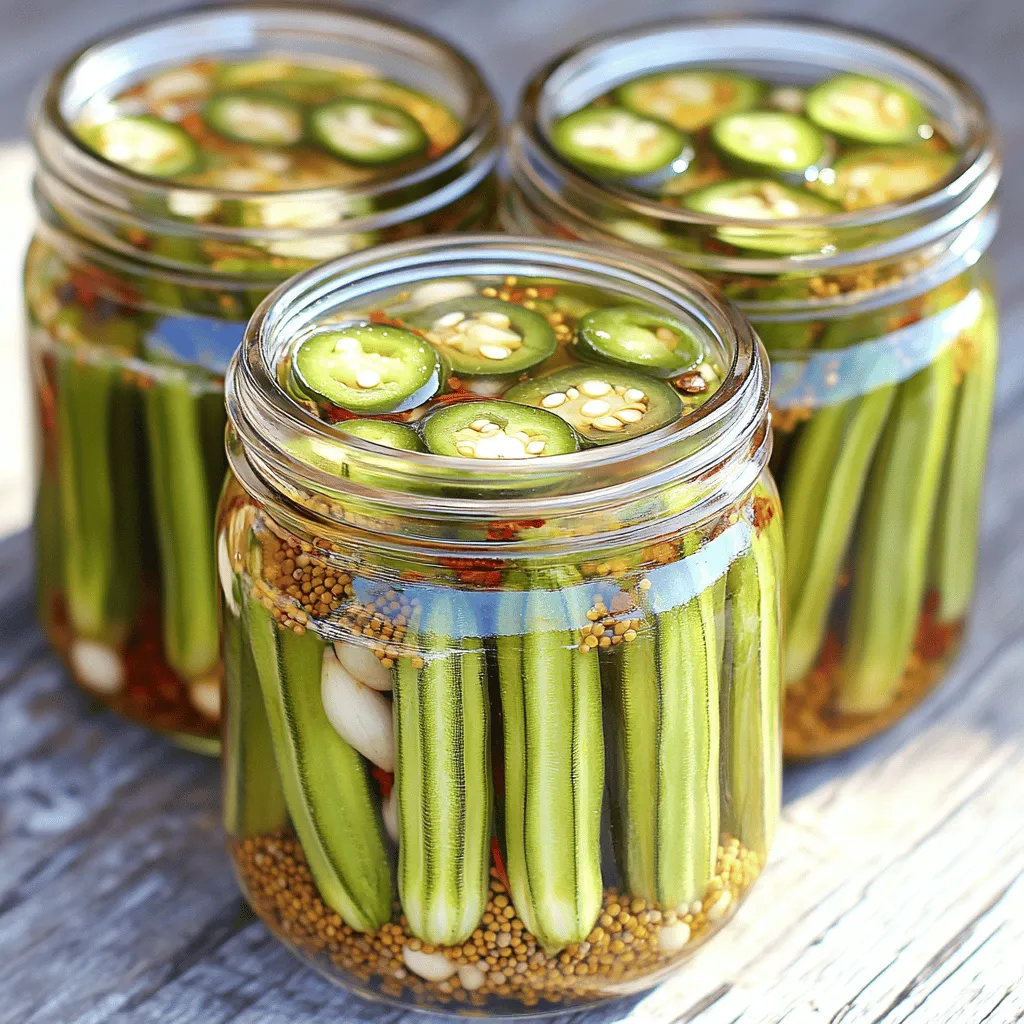
- 1 pound fresh okra - 2 cups distilled white vinegar - 1 cup water - 1 tablespoon kosher salt - 1 tablespoon sugar - 4 cloves garlic - 1 tablespoon mustard seeds - 1 tablespoon coriander seeds - 1 teaspoon black peppercorns - 1 teaspoon red pepper flakes - 2-3 fresh jalapeños - Other spices for customization The key to great spicy pickled okra is freshness. Use bright green okra for the best crunch. You'll want to wash and trim the okra before you start. The vinegar brings a tangy bite, while the garlic and spices add depth. Mustard seeds and coriander seeds give a nice bite that pairs well with the okra. Red pepper flakes bring the heat, but you can adjust this to your taste. If you want more spice, try adding sliced jalapeños. They add flavor and heat. This recipe is simple and fun. You can experiment with different spices to make it your own. You can find the full recipe in the earlier section. Enjoy the process of pickling! It’s a great way to bring flavor into your kitchen. To start, you need to blanch the okra. Fill a large pot with water and bring it to a boil. Once the water boils, add the okra and cook for 3 to 4 minutes. This step helps keep the okra firm. After blanching, you should cool the okra quickly. Drain the hot okra and then place it in a bowl of ice water. This stops the cooking. Drain the okra again after it cools and set it aside. Next, it's time to make the brine. In a separate saucepan, combine the following ingredients: - 2 cups distilled white vinegar - 1 cup water - 1 tablespoon kosher salt - 1 tablespoon sugar - 4 cloves garlic, smashed - 1 tablespoon mustard seeds - 1 tablespoon coriander seeds - 1 teaspoon black peppercorns - 1 teaspoon red pepper flakes Bring this mixture to a simmer over medium heat. Stir it until the salt and sugar dissolve. This brine gives the okra its bold flavor. Now, let's pack the jars. First, you need to sterilize them. Boil the jars for 10 minutes to kill any germs. Once they are hot, pack the cooled okra into each jar. If you want extra heat, add sliced jalapeños between the layers. Leave about half an inch of space at the top of each jar. Next, pour the hot brine over the okra. Make sure the okra is fully submerged. Distribute the garlic and spices evenly in each jar. After that, wipe the rim of the jars with a clean cloth. Seal them tightly with sterilized lids. Allow the jars to cool at room temperature before placing them in the fridge. After sealing, you need to refrigerate the jars. The okra needs time to absorb all the flavors. I recommend waiting at least 48 hours for the best taste. Once pickled, your spicy okra can last up to 2 months in the fridge. Enjoy your delicious creation! For the complete process, refer to the Full Recipe. To make your spicy pickled okra truly shine, start with spice levels. Adjust red pepper flakes to suit your taste. If you want it hotter, add more flakes or jalapeños. For a milder bite, use less. Fresh herbs can also elevate the taste. Try adding dill or thyme to the brine. They add depth and aroma, making each bite more exciting. Timing is key for blanching okra. Blanch for 3-4 minutes, then cool quickly in ice water. This helps keep your okra firm. If you prefer crunchier okra, reduce blanching time by a minute. To ensure a crisp bite, avoid crowding jars. Pack the okra snugly but not too tight. This allows the brine to flow well and helps maintain that crunchy texture. If your okra turns out too soft, check the blanching time. Over-blanching can lead to mushy okra. Next time, try less time in hot water. For off-flavors in the brine, ensure your ingredients are fresh. Old spices can alter the taste. Always use high-quality vinegar and salt to keep flavors bright. For more detailed steps, check out the Full Recipe. {{image_2}} You can make spicy pickled okra in many ways. Choose between spicy and mild options based on your taste. If you love heat, add more red pepper flakes or sliced jalapeños. For a milder version, simply cut back on the heat. You can also switch up the herbs and spices. Try dill for a fresh taste or fennel for a sweet hint. Each change creates a unique flavor profile. Experiment to find your favorite mix! For a quick pickling option, you can skip blanching. Just pack fresh okra in jars and pour hot brine over them. Let them cool and then refrigerate. This method saves time but still gives you great flavor. If you want to try fermented okra, use a saltwater brine. This takes longer but offers a tangy taste and probiotics. Each method gives you a different twist on pickled okra. Spicy pickled okra pairs well with many dishes. Serve it as a crunchy snack or a tangy side. It goes great with sandwiches and burgers for a kick. Chop it up and add to salads for extra flavor. You can even use pickled okra in gumbo or soups. The options are endless! Check out the Full Recipe for more ideas on how to enjoy this tasty treat. Keep your spicy pickled okra in the fridge. The ideal temperature is 34°F to 40°F. Store it in a sealed jar to keep out air and moisture. A dark shelf in your fridge works best. This helps preserve flavor and crunch. Your pickled okra lasts about two months in the fridge. After that, it may lose flavor and crunch. Signs of spoilage include a foul smell or mold. If you see any of these, discard it right away. If you want to store your pickled okra for longer, canning is a great choice. Use a water bath canner for safety. Always sterilize your jars before filling them. Seal jars tightly and process them for at least 10 minutes. This way, you can enjoy your spicy pickled okra for up to a year. It takes about 20 minutes to prep and 1 hour total to make spicy pickled okra. The key steps include blanching the okra and making the brine. After that, allow the jars to cool, then refrigerate them. For the best flavor, let the okra pickle for at least 48 hours. Using frozen okra can change the taste and texture. Fresh okra has a crisp snap that frozen okra lacks. Frozen okra tends to be softer and may not hold up well in pickling. If you can't find fresh okra, use frozen only as a last resort. You can find spicy pickled okra at many local grocery stores. Look in the pickle aisle or the international foods section. If you prefer online shopping, websites like Amazon often carry various brands. Your local farmers' market may also have homemade options. Okra is low in calories and high in nutrients. It is a good source of vitamins A, C, and K. Okra also contains fiber, which helps digestion. Plus, it has antioxidants that can support overall health. Eating okra may help control blood sugar levels. Yes, you can make low-sodium or sugar-free versions of this recipe. For low-sodium, reduce the kosher salt and replace it with a salt substitute. To make it sugar-free, use a sugar alternative like stevia. Adjust the spices to keep the flavor balanced. Spicy pickled okra is quite versatile! You can slice it and add it to salads or sandwiches. It makes a great topping for tacos or nachos. You can also use it in a relish or serve it as a tangy snack. For more ideas, check the Full Recipe. You learned how to make spicy pickled okra using fresh ingredients and simple steps. We discussed key components like fresh okra, brine ingredients, and flavor boosters. Remember to adjust the spice for your taste and enjoy the crunch. Don’t hesitate to explore variations for unique flavors. Proper storage will keep your pickled okra fresh. Dive into this tasty project and add a zesty kick to your meals! Happy pickling!
Spicy Pickled Okra Flavorful and Simple Recipe Guide
Are you looking to add a zing to your meals? My flavorful and simple spicy pickled okra recipe will do just that! This guide covers
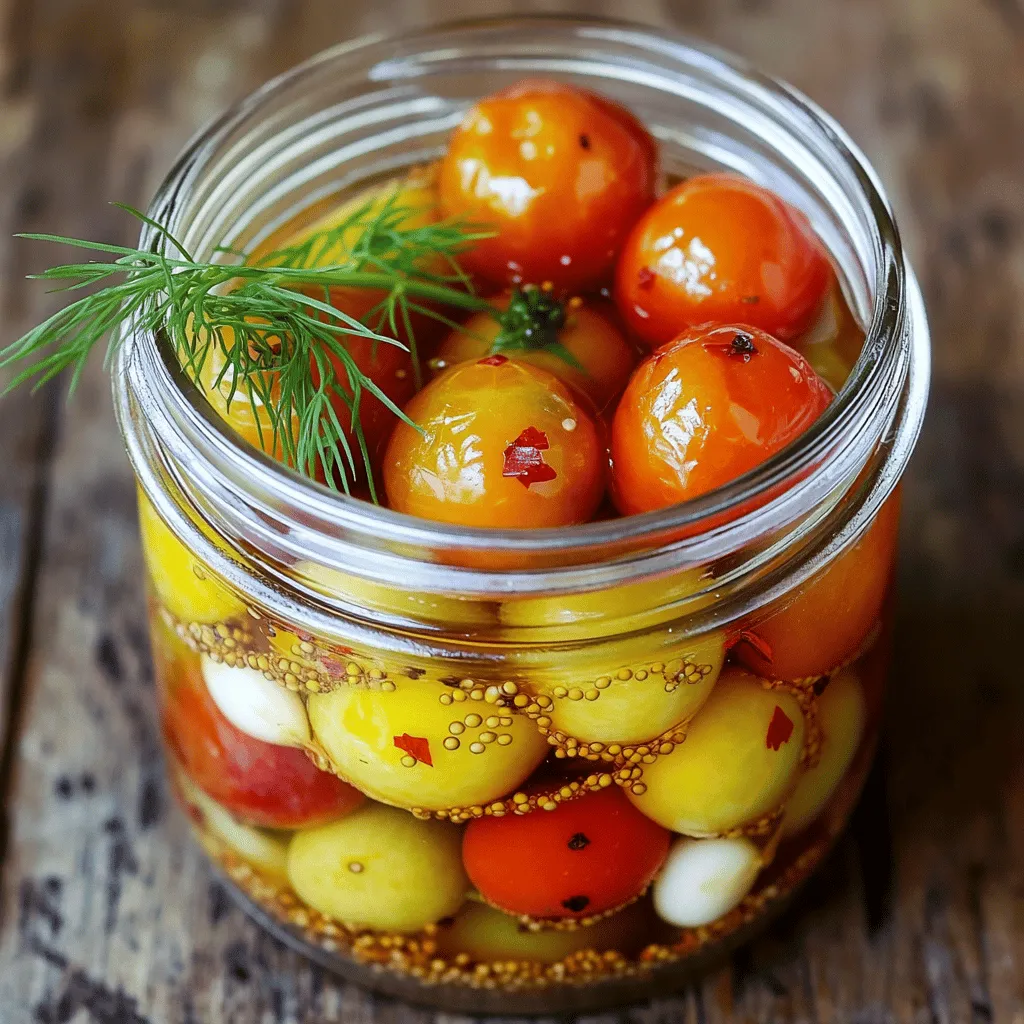
- 1 pint cherry tomatoes, rinsed and stems removed - 1 cup water - 1 cup apple cider vinegar - 2 tablespoons sea salt - 2 tablespoons sugar - 1 teaspoon mustard seeds - 1 teaspoon coriander seeds - 1 teaspoon red pepper flakes - 2 garlic cloves, smashed - 1 sprig fresh dill (or 1 teaspoon dried dill) To make pickled cherry tomatoes, you need fresh, ripe cherry tomatoes. They should be firm and bright in color. Rinse them well and remove the stems. The key to flavor lies in the brine. You will mix water with apple cider vinegar for a tangy kick. Adding sea salt and sugar balances the sourness and adds sweetness. Mustard seeds and coriander seeds give a nice crunch and flavor. Red pepper flakes add heat, but you can adjust this to your taste. Smashed garlic cloves add depth to the brine. Fresh dill gives a fragrant touch, and dried dill works well if fresh isn’t available. This list keeps it simple and gives you all the flavors you need for a delicious snack. Remember, the quality of ingredients matters a lot. Fresh, high-quality items make the best pickles. For the full recipe, check out the instructions that follow. To start, you need to sterilize your glass jar. This step is very important to keep your pickles safe. You can wash the jar in hot soapy water and rinse it well. If you prefer, you can run it through the dishwasher. Clean jars help prevent bacteria from ruining your pickles. Next, we will make the brine for the pickles. In a medium saucepan, mix together one cup of water, one cup of apple cider vinegar, two tablespoons of sea salt, and two tablespoons of sugar. Heat the mixture on medium heat. Stir until both the salt and sugar dissolve completely. Once done, take it off the heat and let it cool a bit. This cooling process is key for the brine to blend well. Now, it's time to pack the jar with cherry tomatoes. Take your rinsed cherry tomatoes and gently pack them into the sterilized jar. Leave some space at the top for the brine. After that, add in the flavor! Toss in the mustard seeds, coriander seeds, red pepper flakes, and smashed garlic cloves. Don’t forget to add the fresh dill or dried dill too. These spices will give your pickles a wonderful taste. Finally, pour the cooled brine over the tomatoes. Make sure the tomatoes are fully submerged. Leave about half an inch of space at the top. Seal the jar tightly with a lid. Let it cool to room temperature. After it cools, place the jar in the fridge. Wait at least 24 hours before you enjoy your pickled cherry tomatoes. The flavors will get better the longer you wait. Enjoy the taste of summer, even in the cold months! For the full recipe, click here. When you pick cherry tomatoes, go for the sweet, round ones. The best types for pickling are the small, firm varieties. Look for colors that shine, like bright red, yellow, or even orange. To check ripeness, squeeze the tomato gently. It should feel firm but not hard. Good quality tomatoes have no blemishes or spots. Fresh tomatoes taste better and give your pickles a great flavor. You can make your pickled tomatoes unique by adding spices. Consider using dill, garlic, or mustard seeds for a punch. If you like heat, add more red pepper flakes. You can also adjust the sweetness. Use more sugar for a sweeter taste or less for a tangy bite. This way, you create pickles that fit your taste perfectly. For the best taste, let your tomatoes pickle for at least 24 hours. The longer they sit, the more flavor they soak up. I recommend waiting a week if you can. To enhance flavor infusion, make sure the brine covers all tomatoes. When you pack them tightly, they mix better with the spices. A little extra time can transform simple tomatoes into a tasty treat. Try the Full Recipe for a delightful experience! {{image_2}} You can pickled all sorts of veggies! Here are some tasty options: - Cucumbers - Carrots - Bell peppers - Cauliflower - Radishes Quick pickling is fast and easy. You prepare the brine, then soak the veggies for a short time. Traditional pickling takes longer but gives deeper flavors. It often involves canning and sealing jars for storage. Pickled cherry tomatoes add a burst of flavor to many dishes. Try these ideas to use them: - Toss them into salads for a zesty kick. - Add them to sandwiches for extra crunch. - Use them as a topping on tacos or nachos. You can also mix them into unique recipes, like: - Pasta salad with pickled tomatoes, basil, and mozzarella. - Risotto topped with pickled tomatoes for a tangy twist. - A simple bruschetta with pickled tomatoes, garlic, and olive oil. These ideas can elevate your meals and impress your guests. Check the Full Recipe for more details on pickling! To store your pickled cherry tomatoes, keep them in the fridge. This keeps them fresh and tasty. Use a clean, airtight jar. Ensure the tomatoes are submerged in the brine. This helps prevent spoilage. Homemade pickles last about 2 to 3 weeks in the fridge. Once opened, consume them within a week for the best taste. If you want to store them longer, try canning. However, this requires more steps and careful sealing. Check your pickled tomatoes for signs of spoilage. Look for any changes in color or texture. If the tomatoes feel mushy or slimy, it’s time to toss them. Also, smell the jar. If it has an off or bad smell, do not eat them. Always trust your senses. If you have doubts about their safety, it's best to throw them out. Safety first! Enjoy your pickled cherry tomatoes while they are fresh and safe to eat. Pickled cherry tomatoes can last up to two months in the fridge. Make sure to keep them in a sealed jar. Always check for any off smells or signs of spoilage before eating. Yes, you can use regular tomatoes. However, they will not have the same bite. Cherry tomatoes are sweeter and more flavorful. They also hold their shape better during pickling. Yes, pickled cherry tomatoes are healthy. They are low in calories and packed with vitamins. They contain antioxidants, which help fight free radicals. The brine can also provide probiotics if not heated too much. You can find pickled cherry tomatoes at many grocery stores. Look in the condiment aisle or at specialty shops. Local farmers' markets may also have them fresh and homemade. You can enjoy pickled cherry tomatoes in many ways. Serve them on a charcuterie board with cheese and crackers. They also make a great salad topping or sandwich garnish. For a unique dish, try them in pasta or rice salads. For the full recipe, check out the details above! You now know how to pickle cherry tomatoes step by step. We covered ingredients, jar preparation, and brine-making. Remember, cleanliness is key for safe pickling. You can customize flavors and even pickle other veggies. Store your jars well and watch for signs of spoilage. Enjoying these pickles adds a tasty twist to many dishes. Try your hand at making them, and you'll delight your taste buds! Happy pickling!
Pickled Cherry Tomatoes Flavorful and Simple Recipe
Are you ready to add a burst of flavor to your meals? In this blog post, I’ll show you how to make pickled cherry tomatoes

- 1 sheet of store-bought puff pastry, thawed - 2 cups cherry tomatoes, halved - 1 cup shredded mozzarella cheese - 1/2 cup crumbled goat cheese - 1 tablespoon fresh basil, chopped - 1 tablespoon balsamic glaze - 1 egg, beaten (for egg wash) - Salt and pepper to taste - Olive oil for drizzling - Rolling pin - Baking sheet - Parchment paper - Mixing bowl - Additional fresh basil leaves - Extra balsamic glaze When making a cherry tomato and cheese galette, you need fresh, quality ingredients. The star of this dish is the cherry tomatoes. They burst with flavor and sweetness. Choose ripe, juicy tomatoes for the best taste. You will also need puff pastry. I love using store-bought pastry. It saves time, and it turns out light and flaky. Make sure it’s thawed before you start. Cheese adds richness and depth. I recommend mixing mozzarella for meltiness with goat cheese for tang. Fresh basil brightens the flavors. It adds an herbaceous note that pairs well with the other ingredients. Balsamic glaze is a secret weapon. It adds a sweet and tangy finish. A little drizzle goes a long way. Don't forget the egg wash. It gives the pastry a beautiful golden color. A sprinkle of salt and pepper rounds out the flavors. For tools, a rolling pin helps shape the dough. A baking sheet lined with parchment paper makes clean-up easy. A mixing bowl is vital for combining your filling. To finish, consider garnishing with more basil or balsamic glaze. These simple touches elevate your galette and make it look stunning. - Preheat the oven to 400°F (200°C). - Roll out the puff pastry into a 12-inch circle. To start, set the oven to the right heat. This step is key for a nice, crispy crust. Next, take your puff pastry. Use a rolling pin to flatten it gently. Aim for a circle about 12 inches wide. This will be the base for your galette. - Prepare the cheese and tomato mixture. - Spoon the filling onto the pastry and fold the edges. In a bowl, mix the halved cherry tomatoes, shredded mozzarella, crumbled goat cheese, and chopped basil. Season with salt and pepper to taste. Stir until all ingredients blend well. Then, place the filling in the center of your pastry. Leave about a 2-inch border around the edges. Now, fold the pastry edges over the filling. Make nice pleats as you go around to hold everything in. - Brush pastry edges with egg wash. - Bake for 25-30 minutes until golden brown. Take your beaten egg and brush it on the edges of the pastry. This gives a shiny, golden look. Drizzle a little olive oil over the filling. Add a splash of balsamic glaze for extra taste. Now, place your galette in the oven. Bake it for 25 to 30 minutes. Keep an eye on it until the pastry turns golden brown and the cheese melts. For more details, check the Full Recipe. To get a flaky crust, keep your ingredients cold. Use chilled butter and ice water when making your dough. If you use store-bought puff pastry, thaw it in the fridge, not at room temp. This keeps the layers intact. When you roll it out, don’t press too hard. Light pressure helps keep the air pockets. For the filling, season it well. Use salt and pepper to bring out the flavors. Fresh basil adds a nice touch. You can also sprinkle some garlic powder or onion powder for extra depth. Mix everything gently, so the tomatoes stay whole and juicy. One common mistake is overfilling the galette. If you add too much, the filling will spill out while baking. Stick to the recommended amount to keep the galette neat. Another mistake is skipping the egg wash. This step gives the pastry a beautiful golden color. Brush it on the edges before baking. It makes a big difference in the final look. For sides, a fresh green salad pairs well with the galette. A simple mix of greens with lemon vinaigrette works great. You can also serve it with roasted vegetables for a heartier meal. When it comes to wine, a light white wine is perfect. A chilled Sauvignon Blanc or a crisp Pinot Grigio complements the flavors of the galette. Enjoying these drinks with your meal enhances the experience. For the full recipe, check the main article. {{image_2}} You can switch up the cheeses to match your taste. For a creamy touch, try ricotta. If you want a sharper taste, use feta cheese. Both melt well and add great flavor. Seasonal veggies can also make your galette shine. In summer, zucchini or bell peppers work well. In fall, roasted squash adds a sweet crunch. Feel free to mix in your favorites! If you need a gluten-free option, many brands sell gluten-free puff pastry. Check labels to ensure they fit your needs. This swap keeps all the taste without the gluten. For a vegan twist, use vegan cheese in place of dairy. You can also skip the egg wash and instead brush with almond milk. This keeps the galette looking golden and tasty! Herbs can really boost your galette's flavor. Try adding fresh oregano or thyme for a fragrant touch. A pinch of red pepper flakes can give it a kick too. Another fun idea is to layer on some pesto before adding the filling. This adds a rich, herby flavor. You can also sprinkle garlic powder for an extra burst of taste. For the full experience, check out the Full Recipe and explore more ways to enjoy your Cherry Tomato and Cheese Galette! To store your leftover Cherry Tomato and Cheese Galette, wait until it cools. Place it in an airtight container. The fridge is the best spot. This keeps it fresh for up to three days. To keep the crust crispy, avoid stacking it. Instead, lay it flat in the container. You can also reheat it in the oven for a few minutes. This helps restore some of its original texture. You can freeze the galette, but how you freeze it matters. For unbaked galette, wrap it tightly in plastic wrap. Then, place it in a freezer bag. It can stay in the freezer for up to three months. Baked galette can also be frozen. Just let it cool first, then wrap it. To thaw, place it in the fridge overnight. Reheat in the oven at 350°F (175°C) for 15-20 minutes. This warms it up nicely without making it soggy. How long will the galette last? In the fridge, it lasts about three days. If it sits longer than that, check for signs of spoilage. Look for a strange smell or mold. If you see any, it’s best to toss it. A bad galette may also feel slimy or dry. Always trust your senses when it comes to food safety. For longer storage, freeze it to enjoy later! For the full recipe, check the complete guide. Making a Cherry Tomato and Cheese Galette takes about 45 minutes. This includes 15 minutes for prep and 25-30 minutes for baking. You can enjoy this tasty dish in no time! Yes, you can use fresh tomatoes. However, cherry tomatoes are sweeter and more flavorful. They also hold their shape better during baking. Other tomatoes may release more juice, making the galette soggy. If you use larger tomatoes, be sure to remove the seeds and excess juice. You can pair a galette with many sides. A fresh green salad works well. You might also enjoy it with a light soup. For drinks, a crisp white wine or sparkling water complements the dish perfectly. Don't forget to explore more recipes or tips to enjoy your meal! This blog post covered how to make a delicious cherry tomato and cheese galette. We explored the required ingredients, tools, and step-by-step instructions. I shared tips to perfect your dish and common mistakes to avoid. You learned about variations, storage tips, and answered FAQs. Now, you have the tools to impress with your cooking. Enjoy this dish with friends or at a family meal. Happy baking!
Cherry Tomato and Cheese Galette Flavorful Delight
Get ready to treat your taste buds with a Cherry Tomato and Cheese Galette! This simple yet tasty dish blends fresh cherry tomatoes and creamy
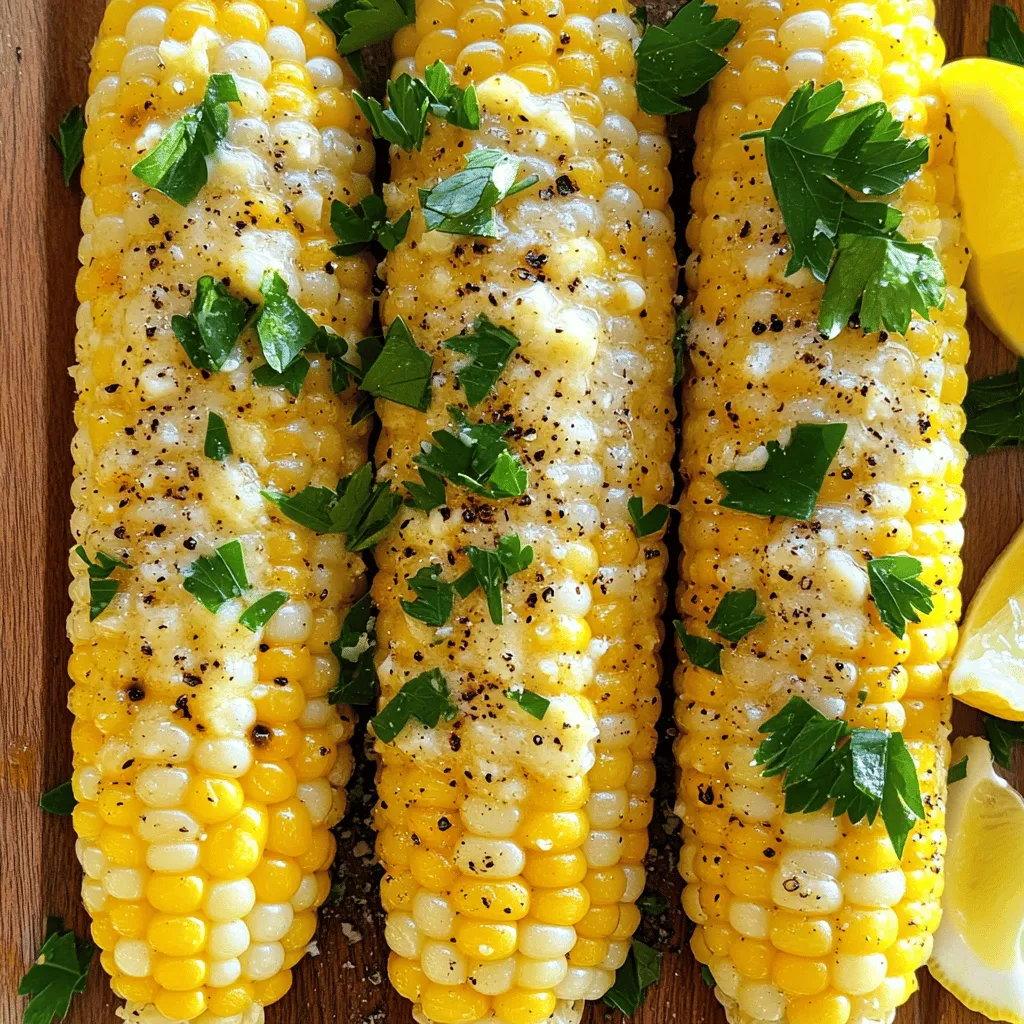
- 4 ears of fresh corn, husked - 1/2 cup unsalted butter, softened - 4 cloves garlic, minced - 1 teaspoon sea salt - 1/2 teaspoon black pepper - 1 tablespoon fresh parsley, chopped (for garnish) - 1 tablespoon parmesan cheese, grated (optional) - Lemon wedges (for serving) Selecting the best corn for grilling When choosing corn, look for ears with fresh, green husks. The kernels should be plump and tightly packed. Gently squeeze the ear; it should feel firm. Avoid corn with brown or dry husks. Sweet corn is the best choice for grilling. Alternatives for butter and seasoning If you want a dairy-free option, try olive oil instead of butter. You can also use vegan butter. For seasoning, feel free to mix in spices like paprika or cayenne for a kick. Fresh herbs such as basil or cilantro can also add a fresh twist. 1. Preheating the grill: Start by turning on your grill to medium-high heat. It should reach about 400°F. This step is key to getting that nice char on your corn. 2. Making the garlic butter mixture: In a small bowl, mix together the softened butter, minced garlic, sea salt, and black pepper. Stir well until everything blends into a creamy mix. You want it smooth to spread easily on the corn. 1. Wrapping corn in aluminum foil: Husk the corn and remove all the silk. If the ears are too long, you can break them in half. Generously coat each ear with your garlic butter mixture. Then, wrap each piece tightly in aluminum foil. This helps steam the corn while it grills. 2. Cooking time and turning instructions: Place the wrapped corn on the grill. Cook for 15-20 minutes. Be sure to turn the corn every 5 minutes to cook evenly. If you like a charred flavor, unwrap the foil for the last 5 minutes of cooking. 1. How to garnish corn: Once the corn is done, take it off the grill carefully. Unwrap the foil and watch out for steam. For a tasty finish, sprinkle grated parmesan cheese and chopped parsley over the hot corn. 2. Serving suggestions: Serve the corn with lemon wedges on the side. A squeeze of lemon adds a nice zing to the sweet corn. Enjoy this Garlic Butter Grilled Corn on the Cob as a side dish at your next BBQ or picnic. For the full recipe, check the details above. To get the perfect char on your corn, preheat your grill well. Medium-high heat works best for grilling corn. The high heat gives a nice char and locks in flavor. If you want that gorgeous grill mark, turn the corn every few minutes. This ensures even cooking and a deep, smoky taste. When it comes to cooking time, size matters. Smaller ears need about 15 minutes on the grill. Larger ears may take 20 minutes or more. Keep an eye on them. If you want more char, unwrap the foil for the last few minutes. This lets the corn brown nicely. For added flavor, you can mix in spices. I love adding paprika for a smoky kick. You can also try chili powder for heat or cumin for earthiness. Fresh herbs, like rosemary or thyme, can elevate the taste too. Cheese can also boost your corn game. Parmesan is a classic choice, but you can try feta or cotija for a new twist. These cheeses add a nice creaminess and saltiness that pairs well with garlic butter. Grilled corn pairs perfectly with barbecued meats. Serve it alongside juicy burgers or grilled chicken for a great meal. You can also enjoy it with fresh salads for a lighter option. For a fun twist, try serving the corn on skewers. This makes it easy to eat at parties or picnics. Drizzle extra garlic butter on top for a tasty finish. You can even sprinkle some lime juice for a zesty touch! For the full recipe, you can check out the detailed steps above. Enjoy your delicious garlic butter grilled corn on the cob! {{image_2}} You can enjoy garlic butter corn in different ways. First, try oven-baked garlic butter corn. Preheat your oven to 400°F. Husk the corn and place it on a baking sheet. Spread the garlic butter mixture over the corn. Cover the corn with foil to keep it moist. Bake for about 25 minutes. This method gives you soft and buttery corn. Another option is boiled corn with garlic butter. Fill a large pot with water and bring it to a boil. Add the husked corn and cook for about 5-7 minutes. Drain the corn and coat it with your garlic butter. This method is quick and keeps the corn juicy. You can spice things up with a spicy garlic butter version. Add crushed red pepper flakes or a dash of hot sauce to your garlic butter. This will give your corn a nice kick. You can also create herb-infused butter. Mix in fresh herbs like basil, thyme, or cilantro. This adds a fresh taste to the corn. You can switch up the flavor and make it your own. If you need gluten-free options, this recipe is already safe. Just ensure to use gluten-free butter. For vegan alternatives, swap the butter for a plant-based spread. You can also use nutritional yeast instead of parmesan cheese. This keeps the flavor while making it vegan. Enjoy your garlic butter grilled corn in a way that suits your diet! For the full recipe, check out the earlier section. To keep your grilled corn fresh, store it in the fridge. Place the corn in an airtight container or wrap it tightly in foil. This prevents the corn from drying out. Grilled corn can stay fresh for up to three days. If you want to enjoy it later, just make sure it cools completely before storing. When you want to reheat your grilled corn, the microwave works well. Just place the corn on a plate and cover it with a damp paper towel. Heat it in short bursts of about 30 seconds. This helps keep the corn moist. You can also use the grill for reheating. Wrap the corn in foil and place it on the grill for about 10 minutes. This method helps maintain the flavor and texture. It brings back that smoky taste you love. Enjoy your garlic butter corn on the cob warm and tasty! How do you make garlic butter from scratch? To make garlic butter, mix softened butter with minced garlic. Add sea salt and black pepper for taste. Stir well until everything blends nicely. This simple mix creates a rich flavor for your corn. Can I use frozen corn instead of fresh? Yes, you can use frozen corn. Just thaw it first. Fresh corn tastes best, but frozen works in a pinch. Make sure to adjust grilling time, as frozen corn may take longer to cook. What is the best way to cook corn on the grill? The best way is to husk the corn and wrap it in foil. Add garlic butter for flavor. Grill on medium-high heat for 15-20 minutes. Turn occasionally for even cooking. This method keeps the corn moist and tender. How do I know when the corn is done grilling? The corn is done when it feels tender. You can test by piercing it with a fork. If it is soft and plump, it's ready. You can also look for a slight char on the kernels. What are the health benefits of corn? Corn is a great source of fiber. It helps with digestion and keeps you full. It also has vitamins and antioxidants that support overall health. Plus, corn can boost your energy levels. Tips from home cooks for making perfect grilled corn: - Choose fresh corn with bright green husks. - Soak corn in water for 30 minutes before grilling for extra moisture. - Don’t skip the garlic butter; it adds a delicious flavor. Common mistakes to avoid when grilling corn: - Don’t overcook the corn; it can become mushy. - Avoid direct heat without foil; the kernels might burn. - Don’t forget to turn the corn often for even grilling. For the full recipe, check out the detailed instructions above. Grilling corn is easy and fun. We covered the key ingredients you need, like fresh corn and garlic butter. I shared steps for grilling, tips for best flavor, and fun ways to serve it. You can even try new methods or variations to suit your taste. Remember, grilling corn can be a tasty addition to any meal. Enjoy exploring these ideas to make the perfect garlic butter corn every time!
Garlic Butter Grilled Corn on the Cob Easy Delight
Are you ready to elevate your summer cookouts with Garlic Butter Grilled Corn on the Cob? This easy delight combines sweet, juicy corn with rich,
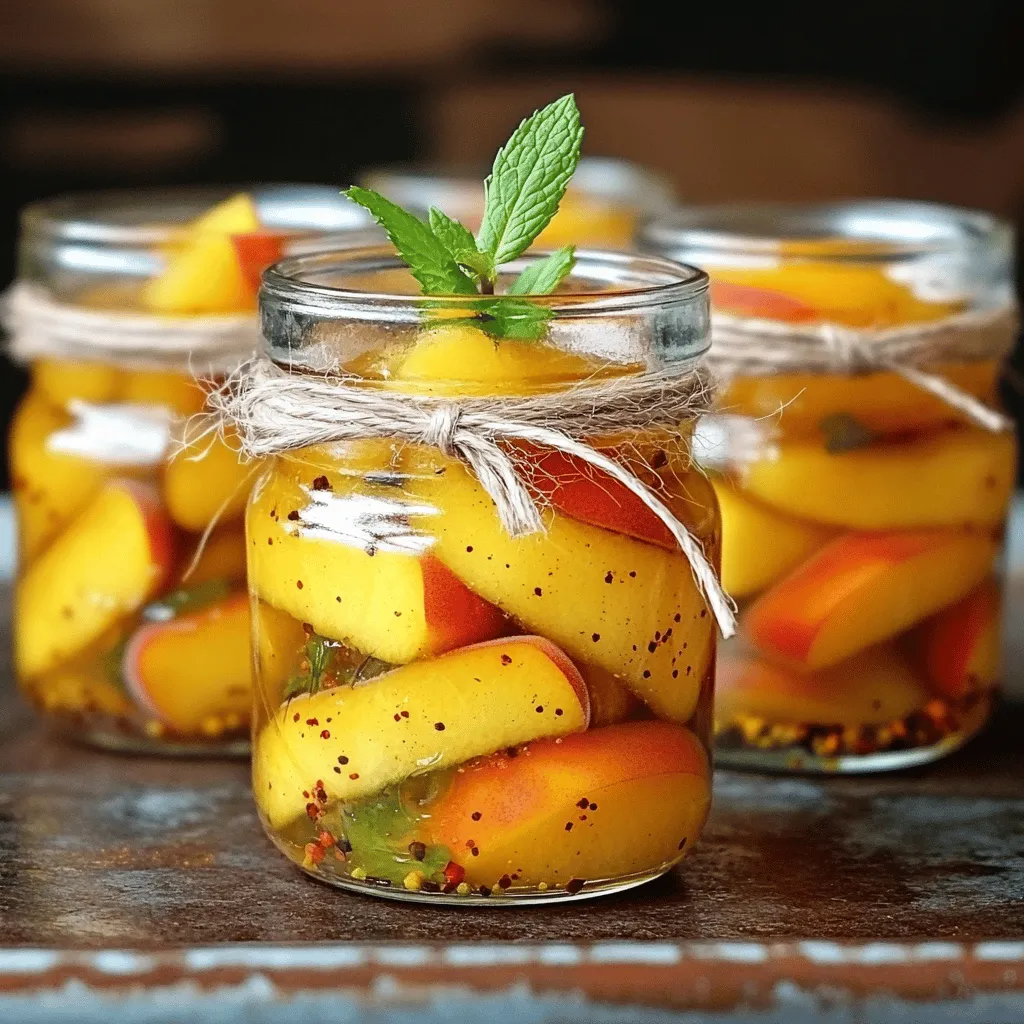
To make sweet and spicy peach pickles, you need fresh and tasty ingredients. Here’s what you will use: - 4 ripe peaches, peeled and sliced - 1 cup sugar - 1 cup apple cider vinegar - 1/2 cup water - 1 teaspoon turmeric - 1 teaspoon ground cinnamon - 1/2 teaspoon red pepper flakes - 1/2 teaspoon allspice - 1/2 teaspoon salt - 1/2 cup thinly sliced red onion - 1 tablespoon grated fresh ginger When measuring, use dry measuring cups for sugar and a liquid measuring cup for vinegar and water. For the peaches, make sure they are ripe but firm. This helps them keep their shape in the pickling process. Slice peaches evenly for a nice look and taste. Fresh ingredients make a huge difference in flavor. Use ripe peaches for sweetness and great texture. Fresh spices add depth to the pickles, while fresh ginger provides a nice kick. Always check for quality. The better your ingredients, the more delicious your sweet and spicy peach pickles will be. For the complete recipe, check out the Full Recipe. To make sweet and spicy peach pickles, start by gathering all your ingredients. You need ripe peaches, sugar, apple cider vinegar, water, turmeric, ground cinnamon, red pepper flakes, allspice, salt, red onion, and fresh ginger. 1. Mix the base: In a large saucepan, combine sugar, apple cider vinegar, water, turmeric, ground cinnamon, red pepper flakes, allspice, and salt. Stir well. 2. Simmer the mixture: Heat over medium until it starts to simmer. 3. Add the peaches: Once simmering, gently add the sliced peaches and red onion. Stir carefully to coat them in the liquid. 4. Cook briefly: Let it cook for 5 minutes. This step helps the peaches soften a bit but keeps their shape. 5. Finish with ginger: Remove from heat and mix in fresh grated ginger. 6. Cool down: Allow the mixture to cool at room temperature for about 30 minutes. 7. Jar it up: Transfer the peach pickles into sterilized jars. Make sure the fruit is fully submerged in the liquid. Seal the jars tightly. 8. Refrigerate: Put the jars in the fridge for at least 24 hours. For the best flavor, let them sit for 3 to 5 days. Timing is key when cooking your peach pickles. Keep an eye on the simmering step. You want the mixture to just bubble, not boil hard. This helps the sugar dissolve well without burning. The 5-minute cooking time is ideal; it allows the peaches to soften but not turn mushy. Under-cooking means crunchier pickles, while overcooking could lead to a mushy texture. For the best pickling texture, choose ripe but firm peaches. This ensures they hold up during cooking. When you slice the peaches, aim for even pieces. Uniform size helps with even pickling. After cooking, letting the pickles cool is crucial. It helps the flavors meld and the texture set. Store them in the fridge, submerged in liquid, to maintain crispness. Enjoy your sweet and spicy peach pickles as a tasty snack! To make your sweet and spicy peach pickles pop, try these tips: - Use ripe, juicy peaches for the best taste. - Add a splash of lemon juice to brighten the flavor. - Experiment with fresh herbs, like basil or mint, during pickling. These small changes can make a big difference in flavor. Avoid these pitfalls when making your pickles: - Don’t skip the salt. It helps balance sweetness. - Be careful not to overcook the peaches. They should stay firm. - Always use sterilized jars. This keeps your pickles safe and fresh. These mistakes can lead to less tasty pickles. Serve your sweet and spicy peach pickles in style. Here are my tips: - Use small glass jars. They look nice and keep the pickles fresh. - Pair them with cheese, meats, or grilled veggies for a tasty snack. - Add them to sandwiches or salads for extra flavor. These ideas will impress your guests and elevate your meals. {{image_2}} You can swap out peaches for other fruits. Try using plums or cherries. They bring a new flavor. Each fruit changes the pickles' taste. You can also add herbs like basil or dill for a fresh touch. Fresh herbs add a nice pop to the pickles. Want to change the heat? Add more red pepper flakes for extra spice. Start with one teaspoon if you like it hot. If you prefer milder pickles, reduce the red pepper flakes. Adjust it to fit your taste. You can also add jalapeños for a different kick. These peach pickles shine at any gathering. Serve them at barbecues for a sweet contrast. They also work well with cheese platters. Use small jars for gifts, tied with twine for charm. For brunch, offer them with eggs or on toast. They add a fun twist to many meals. To store your sweet and spicy peach pickles, place them in clean, sterilized jars. Make sure the peaches are fully submerged in the pickling liquid. Seal the jars tightly. Keep them in the fridge for the best taste and freshness. Your pickles will stay fresh for about 2 to 3 weeks in the fridge. For longer storage, consider canning them. Make sure to follow safe canning practices if you choose this method. This can help them last for up to a year in a cool, dark place. Check your pickles for any signs of spoilage. If you see mold, unusual colors, or a bad smell, it’s best to throw them out. Tasting a small amount can also help. If it tastes off, discard it. Always prioritize safety when enjoying your homemade snacks. Homemade pickles can last about 2 to 3 months in the fridge. Keep them sealed tightly in jars. Always check for signs of spoilage before eating. If they smell bad or look strange, throw them away. You can use frozen peaches, but fresh ones are best. Frozen peaches might have a softer texture after pickling. If you choose frozen, thaw them first and drain excess water. Sweet & spicy peach pickles stand out due to their bold flavors. The mix of sugar, vinegar, and spices creates a perfect balance. The peaches add sweetness, while the red pepper flakes give it a kick. You can find pre-made sweet & spicy peach pickles at specialty food stores or farmer's markets. Many online retailers also sell them. Look for local brands for a fresh taste. To adjust spiciness, add or reduce red pepper flakes. For a milder flavor, cut the amount in half. If you want more heat, increase the flakes or add sliced jalapeños. Always taste as you go to find your perfect level. For the full recipe, check out the Sweet & Spicy Peach Pickles section! Sweet and spicy peach pickles bring joy with their burst of flavors. In this guide, I shared essential ingredients, step-by-step instructions, and helpful tips to perfect your pickles. Keeping your ingredients fresh is key, and careful cooking time matters too. Consider variations to make the recipe your own. Remember, proper storage helps your pickles stay fresh longer. With these tools, you can create a tasty treat perfect for any occasion. Enjoy your pickling adventure!
Sweet & Spicy Peach Pickles Flavorful Homemade Snack
If you love a snack that’s both sweet and spicy, you’re in the right place! I’m excited to share my recipe for Sweet & Spicy
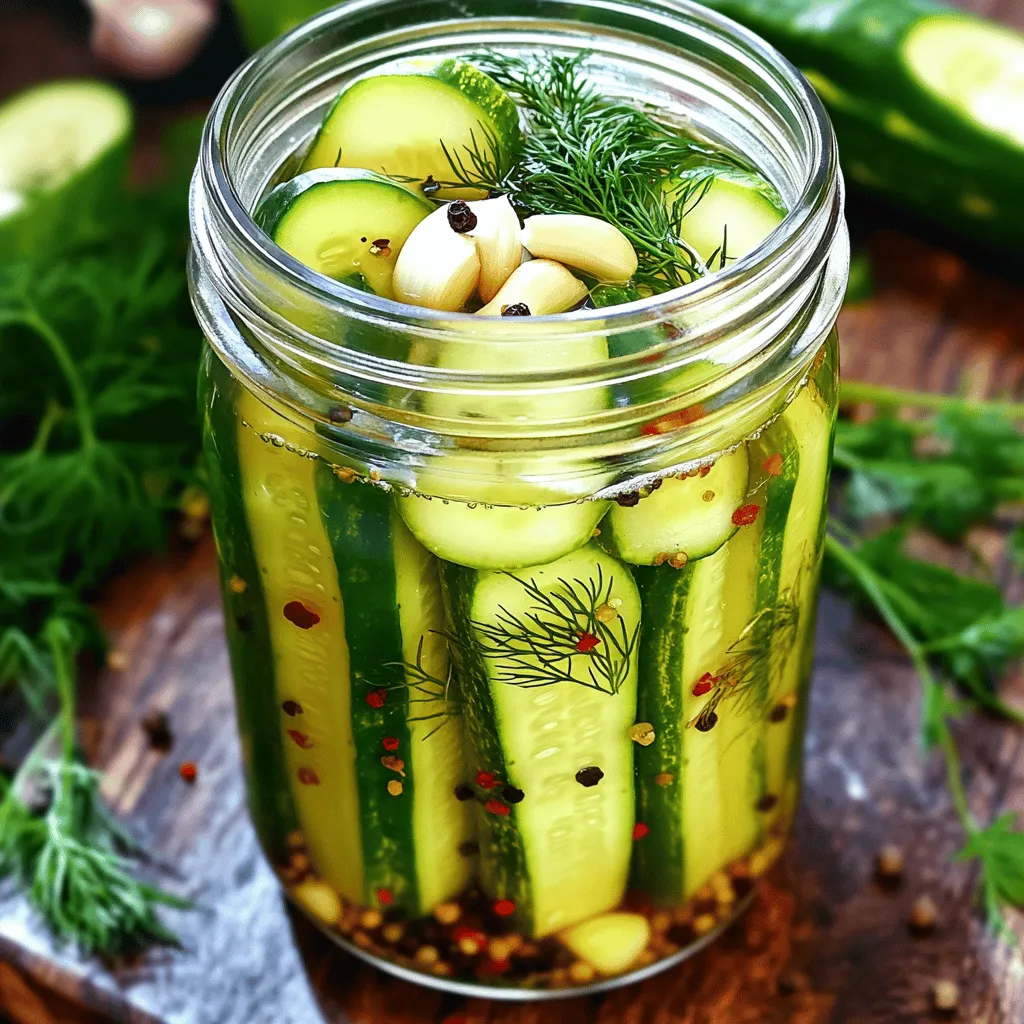
- 1 large cucumber (about 10-12 inches), sliced into spears or rounds - 4 cloves garlic, smashed - 1 tablespoon dill seeds or 1-2 fresh dill sprigs - 1 teaspoon black peppercorns - 1 teaspoon red pepper flakes (optional for heat) - 2 cups water - 1 cup white vinegar - 2 tablespoons granulated sugar - 2 tablespoons salt You can switch the white vinegar for apple cider vinegar. This gives a fruity twist. Rice vinegar is also an option. It adds a lighter flavor. For spices, feel free to use mustard seeds or coriander. These can add unique notes to your pickles. Garlic is a superstar in health. It can boost your immune system. It may help reduce blood pressure too. Dill, on the other hand, is rich in antioxidants. It may aid digestion and has anti-inflammatory properties. Adding these ingredients not only flavors your pickles but also packs them with health benefits. Slice your cucumber into even pieces. You can cut it into spears or rounds. A sharp knife helps make clean cuts. This ensures each piece brines well. Uniform slices absorb the brine evenly. Aim for about half an inch thick for the best crunch. Start with a clean jar. Place smashed garlic at the bottom first. Follow with dill seeds or fresh dill sprigs. Then, add black peppercorns and red pepper flakes if you like heat. Layering helps flavors mix well. Make sure to pack the cucumbers tightly. This keeps them submerged in the brine. In a saucepan, mix water, white vinegar, sugar, and salt. Heat it over medium heat. Stir until sugar and salt dissolve completely. This should take just a few minutes. You want the brine hot but not boiling. Once ready, pour it over the layered ingredients in the jar. Let the jar cool for about 30 minutes at room temperature. Cover it tightly and place it in the fridge. The pickles will start tasting great after a few hours. For the best flavor, let them sit for at least 24 hours. This marinating time is key for full flavor. Enjoy your pickles as a snack or side dish! For the full recipe, check out the detailed instructions above. To get that perfect crunch in your garlic dill pickles, start with fresh, firm cucumbers. The best types to use are Kirby cucumbers or pickling cucumbers. They have a thick skin and a great texture. Look for cucumbers that are dark green, heavy for their size, and free from soft spots. You can boost the flavor of your pickles by adding more herbs and spices. Consider adding mustard seeds, coriander seeds, or even a bay leaf. Fresh herbs like tarragon or thyme also add a lovely twist. Just remember, a little goes a long way. Avoid common mistakes to make your pickles shine. Don’t skip the salt; it helps with crispness and flavor. Always sterilize your jars to keep your pickles safe. Lastly, let your pickles marinate for at least 24 hours. This ensures they soak up all the yummy flavors. For the complete recipe, check out the Full Recipe. {{image_2}} To make spicy garlic dill pickles, add red pepper flakes or fresh chili. I love using a mix of heat and tang. Start with one teaspoon of red pepper flakes. If you want more heat, add more to taste. This small change makes a big difference. The spicy flavor pairs well with garlic and dill. It adds a new layer of taste to the crunchy pickles. You can create sweet garlic dill pickles by adjusting the sugar. To make them sweeter, increase the sugar to three tablespoons. This change creates a nice balance with the vinegar. Sweet garlic dill pickles taste great as a snack. They also work well in salads and sandwiches. Garlic dill pickles have many global variations. For example, in Germany, they add mustard seeds and bay leaves. In Russia, they include horseradish for a unique taste. Each country brings its own twist to the classic recipe. Experimenting with these flavors can be fun. You might find a new favorite! Try the full recipe to start your pickling journey. To keep your garlic dill pickles fresh, sealing the jars is key. Use clean, airtight jars to store your pickles. After pouring in the brine, let the jars cool. Once cool, seal the lids tightly. Store the jars in the fridge right away. This helps slow down spoilage. Homemade garlic dill pickles can last up to two months in the fridge. They taste best within the first month. After that, their crunch and flavor may fade. Always check for freshness before eating. Before you munch on your pickles, look for signs of spoilage. If the pickles smell off or appear cloudy, toss them. Mold is another clear sign they are bad. If the color changes or if they feel slimy, it’s best to throw them away. Always trust your senses when it comes to food safety. Garlic dill pickles need at least 24 hours to marinate for the best flavor. If you wait longer, the taste will deepen. I like to let mine sit for about two to three days. This extra time helps the flavors blend well. You can taste them after a few hours, but they won't be fully developed yet. You can find garlic dill pickles at most grocery stores. Look for popular brands like Claussen and Mt. Olive. These brands offer a good crunch and flavor. Specialty stores may have local options that are also tasty. Don’t forget to check farmer’s markets for fresh, homemade pickles too. Yes, you can reuse the brine for another batch of pickles. Make sure to strain it first to remove bits of garlic and spices. However, the flavor may not be as strong. Always check for any signs of spoilage before reusing. If it smells off or looks cloudy, it's best to make a fresh batch. Making garlic dill pickles at home is fun and rewarding. You learned about essential ingredients and healthy options. Our step-by-step guide helped you through preparation, brining, and storage. You also discovered tips for crispness and tasty variations. Remember, pickling is an art, not a science. Try different spices and flavors to make your pickles unique. Enjoy your homemade pickles, and share your delicious creations with others!
Garlic Dill Pickles Easy Recipe for Crisp Flavor
Who doesn’t love a crunchy, flavorful pickle? In this post, I’ll show you how to make garlic dill pickles that are both easy and delicious.
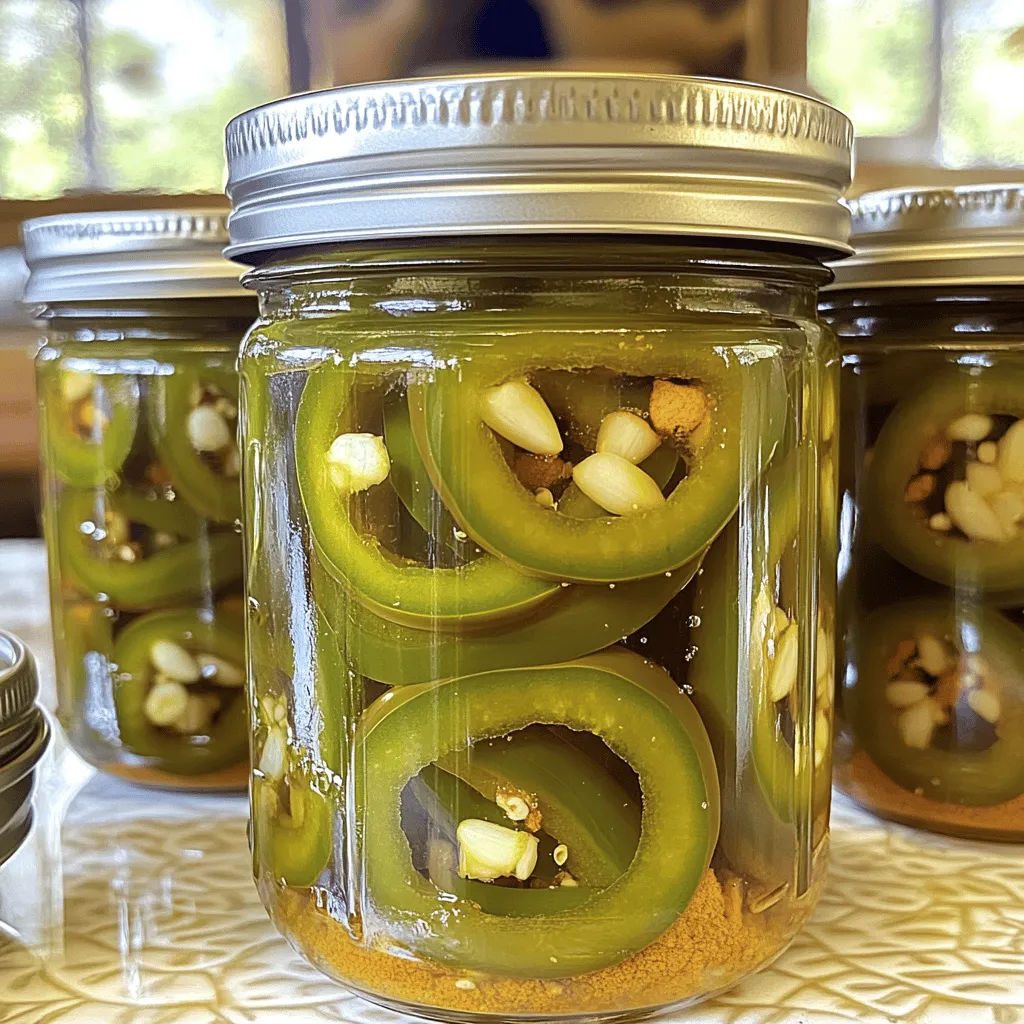
To start, you need fresh jalapeños. Choose firm ones, with bright skin. They should feel heavy for their size. You will slice them into rings. Use gloves to protect your hands from the heat. Slice them as thick or thin as you like. Thinner slices will pack more heat. Next, gather sugar and vinegar. You need one cup of each. The sugar adds sweetness, while the vinegar gives a tangy bite. I prefer distilled white vinegar. It keeps the color bright and the taste clean. Finally, you’ll need some seasoning. This includes garlic powder, onion powder, and turmeric. Use one teaspoon of each. Add half a teaspoon of salt. For a kick, use a quarter teaspoon of cayenne pepper. If you like pickling spice, two tablespoons will enhance the flavor. For all the details, check the full recipe. First, put on some gloves. Slice the fresh jalapeños into rings. You can adjust the thickness. Thinner slices make them spicier. For a milder taste, cut them a bit thicker. Keep it simple and fun. In a medium saucepan, combine sugar, vinegar, water, garlic powder, onion powder, turmeric, salt, and cayenne pepper. Whisk everything together over medium heat. Keep stirring until the sugar dissolves. Once it simmers, add the sliced jalapeños and pickling spice. Let this cook for about five minutes. The jalapeños should become tender yet stay bright green. Next, use a ladle to fill your hot, sterilized jars with the jalapeño mix. Leave about half an inch of space at the top. Make sure each jar gets even jalapeños and brine. After filling, wipe the jar rims with a clean cloth. Place the sterilized lids on top, then screw the metal rings tight until they are fingertip-tight. To seal the jars, process them in a boiling water bath for 10 to 15 minutes. If you live at a higher altitude, adjust the time. Once done, carefully remove them and let them cool. Place them on a clean kitchen towel or cooling rack. Ensure the lids have sealed properly; they should not pop up when pressed. Store the jars in a cool, dark place for at least two weeks. This wait helps the flavors grow. For the full recipe, refer back to the earlier section. To get the best taste, mix sweet and spicy well. I use one cup of sugar and one cup of vinegar. This gives a nice balance. If you want more heat, add cayenne pepper. Adjust it based on your taste. You can experiment with spices too. Try adding cumin or smoked paprika for a twist. Safety is key when canning. Always start with clean hands and tools. Wash all your jars and lids. Boil them for 10 minutes to keep germs away. While working, wear gloves when slicing jalapeños. This helps avoid skin irritation. Make sure your equipment is in good shape. Check the seals on jars before using. A good seal keeps your jalapeños fresh. After filling jars, wipe the rims with a clean cloth. This helps the lids stick well. When placing the lids, screw them on tight but not too tight. During processing, the heat will create a vacuum. After cooling, check the lids. If they pop up when pressed, the jar did not seal. Store any unsealed jars in the fridge and use them soon. For the full recipe, check the earlier section. {{image_2}} You can change the flavor of your candied jalapeños by adding spices. Try cinnamon for warmth or ginger for a zesty kick. A pinch of allspice adds a rich note. Experiment with spices you enjoy. Just remember, a little goes a long way. You want the jalapeños to shine, not the spices. Do you want more heat? Slice the jalapeños thinner. This method brings out their spice. If you prefer less heat, remove the seeds before slicing. You can also use milder peppers like poblanos. Another option is to add less cayenne pepper. Adjust the heat to suit your taste. Your friends and family will love the personal touch. If you want a different sweetness, try honey or maple syrup. These natural sweeteners add unique flavors. You can also use brown sugar for a richer taste. Each option changes the flavor profile, making it fun to experiment. Just remember to adjust the vinegar if you change the sugar type. For the best results, check out the full recipe. Store your jars in a cool, dark place. A pantry or basement works well. Avoid bright light, heat, and moisture. Keep the jars upright to prevent leaks. Always label your jars with the date. This helps you track freshness. Canned jalapeños can last up to a year when stored properly. After one year, they may still be safe to eat but may lose flavor. Always check for the best taste within the first six months. The longer you wait, the more the taste can change. Check for signs of spoilage before eating. Look for bulging lids or leaks. If the lid pops up when pressed, it’s not safe. Also, watch for mold or strange smells. If anything seems off, it’s best to throw it away. To adjust the spice level, you can slice the jalapeños thinner. Thinner slices release more heat. If you want less heat, use fewer jalapeños or mix in sweeter peppers. You could also remove the seeds, as they hold much of the heat. Yes, you can use other peppers. Bell peppers will make the dish sweet and mild. For more heat, try serrano or habanero peppers. Each pepper brings its unique flavor, so feel free to mix! The canning process takes about an hour total. This includes prep time, cooking the brine, and sealing the jars. The actual boiling time is about 10 to 15 minutes. Always check your altitude for timing adjustments. You can find the full recipe for Sweet and Spicy Jalapeño Delights in this article. It details every step you need to follow for perfect candied jalapeños. You learned how to can jalapeños with fresh ingredients and clear steps. We discussed the importance of balance in flavors and safety when canning. Remember to adjust spice levels and try new variations. Proper storage is key to enjoying your canned jalapeños. Always check for signs of spoilage to stay safe. With these tips, you can make delicious canned jalapeños for any meal. Enjoy the process and have fun experimenting with your flavors. Happy canning!
Canning Candied Jalapenos Sweet and Spicy Delight
Are you ready to add a sweet and spicy kick to your meals? Canning candied jalapeños is easy and fun! With just a few simple