Dinner

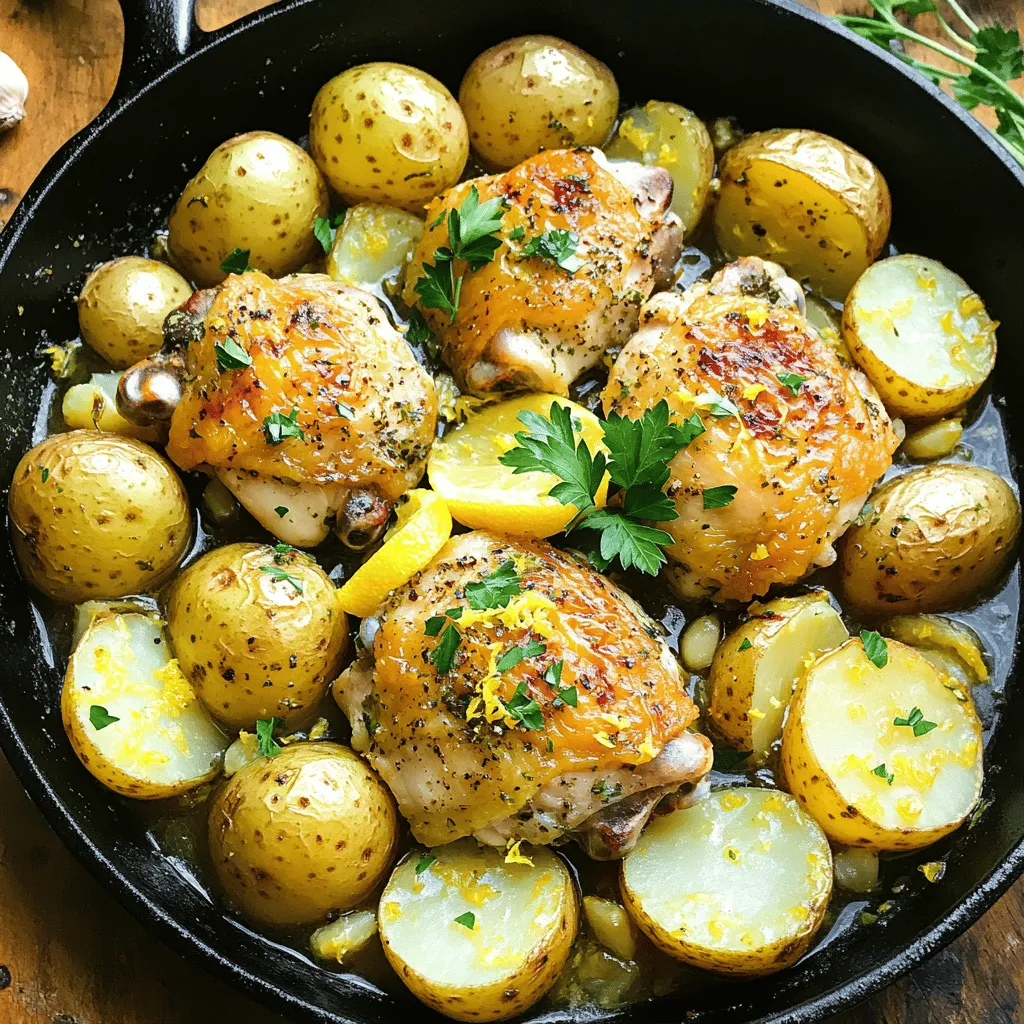
- 4 bone-in chicken thighs - 1 lb baby potatoes, halved - 1 lemon, zested and juiced - 4 cloves garlic, minced - 2 tablespoons olive oil - 1 teaspoon dried oregano - 1 teaspoon dried thyme - Salt and pepper to taste - Fresh parsley, chopped (for garnish) - Large mixing bowl - Whisk - Oven-safe skillet or baking dish - Measuring spoons - Knife and cutting board - Lemon wedges for serving - Other herbs like rosemary or basil - Seasonal veggies like carrots or green beans First, you need to preheat your oven to 400°F (200°C). This step is key for cooking the chicken and potatoes evenly. If your oven is not hot enough, the meal will not cook well. Next, grab a large mixing bowl. In it, combine the lemon zest, lemon juice, minced garlic, and olive oil. Then, add the dried oregano and thyme. Sprinkle in salt and pepper to taste. Whisk everything until it blends well. This marinade is what gives the chicken its tasty flavor. Now, add the chicken thighs to the bowl. Toss them in the marinade until they are fully coated. Let them sit for about 15 minutes. This time helps the chicken soak up all the great flavors. While the chicken marinates, take a large oven-safe skillet or baking dish. Place the halved baby potatoes in the pan. Drizzle them with olive oil, salt, and pepper. Toss the potatoes to coat them well. Then, arrange the marinated chicken thighs on top of the potatoes. Pour any leftover marinade from the bowl over both the chicken and potatoes. It's time to bake! Place the skillet in your preheated oven. Bake for 35-40 minutes. You want the chicken to reach an internal temperature of 165°F (74°C) and the potatoes to be tender. For extra crispy skin, you can broil the chicken for 2-3 minutes at the end. Keep a close eye on it to avoid burning. After baking, remove the skillet from the oven. Let it rest for a few minutes. This helps the juices settle. Before serving, sprinkle chopped parsley on top for a fresh touch. This adds a nice color and flavor to your dish. Enjoy your one-pan lemon herb chicken and potatoes! For the best taste, focus on fresh lemon and herbs. Use: - 1 lemon, zested and juiced - 4 cloves garlic, minced These add bright, zesty notes to the chicken. The dried oregano and thyme also pack a punch. They pair well with the chicken and potatoes, making every bite flavorful. To get crispy skin, follow these steps: 1. Pat the chicken dry: This helps the skin crisp up. 2. Broil at the end: After baking, broil for 2-3 minutes. Keep a close eye on it to avoid burning. This method gives you that perfect crunch. You’ll love the texture it adds to the dish. Serve your One-Pan Lemon Herb Chicken & Potatoes straight from the skillet. This adds a rustic feel. You can also use a large platter for a nicer look. Sprinkle with extra parsley for color. Adding lemon wedges on the side boosts flavor and presentation. Enjoy this dish with a simple green salad or crusty bread for a complete meal. {{image_2}} You can use different meats in this dish. Try bone-in chicken breasts or drumsticks for a twist. If you want a lighter option, consider using turkey thighs. For a vegetarian take, swap chicken for firm tofu. Make sure to adjust cooking times for each protein to ensure they cook well. Feel free to change up the veggies. Carrots, bell peppers, or asparagus work well. You can even add green beans or broccoli for color. Just cut the vegetables into similar sizes for even cooking. This keeps everything tender and tasty while roasting. Change the herbs for a new taste. Use rosemary or basil instead of oregano or thyme. You can add a pinch of red pepper flakes for a spicy kick. If you love garlic, add more cloves or use roasted garlic for a sweeter flavor. Adjust the lemon juice based on your taste, too. Once you finish your meal, let the chicken and potatoes cool. You can store leftovers in an airtight container. Keep it in the fridge for up to three days. This way, you can enjoy the flavors again! To reheat, place the chicken and potatoes on a baking sheet. Preheat your oven to 350°F (175°C). Bake for about 15-20 minutes, or until heated through. You can cover the dish with foil to keep it moist. If you want to save some for later, freezing is a great option. First, let the dish cool completely. Then, place it in a freezer-safe bag or container. It can last up to three months in the freezer. When ready to eat, thaw it in the fridge overnight and reheat. It takes about 35 to 40 minutes to bake chicken thighs at 400°F (200°C). Use a meat thermometer to check. The safe internal temperature should reach 165°F (74°C). This ensures the chicken is cooked well and safe to eat. Yes, you can use boneless chicken thighs! They will cook faster, so check them around 25 to 30 minutes. Boneless thighs can still soak up the marinade flavor. Just make sure they reach the safe cooking temperature. Pair this dish with a fresh salad or steamed veggies. A simple green salad with lemon vinaigrette complements the flavors. Rice or crusty bread can also round out your meal. These sides add color and texture to your plate. You can prepare the chicken and potatoes ahead of time. Marinate the chicken overnight in the fridge. Then, when ready, just bake it. This makes meal prep easy and saves time on busy days. You can enjoy a delicious meal with less effort! Making One-Pan Lemon Herb Chicken & Potatoes is simple and fun. You have all the tools and tips needed. We covered key ingredients for taste and how to get crispy skin. You can play with flavors and try different proteins and veggies. Remember, storing leftovers is easy, and reheating keeps them tasty. Feel free to ask questions from our FAQ section. Enjoy your meal, and share your cooking journey!
One-Pan Lemon Herb Chicken & Potatoes Quick Meal
Are you looking for a quick and easy meal that tastes great? One-Pan Lemon Herb Chicken & Potatoes is your answer! This dish combines juicy
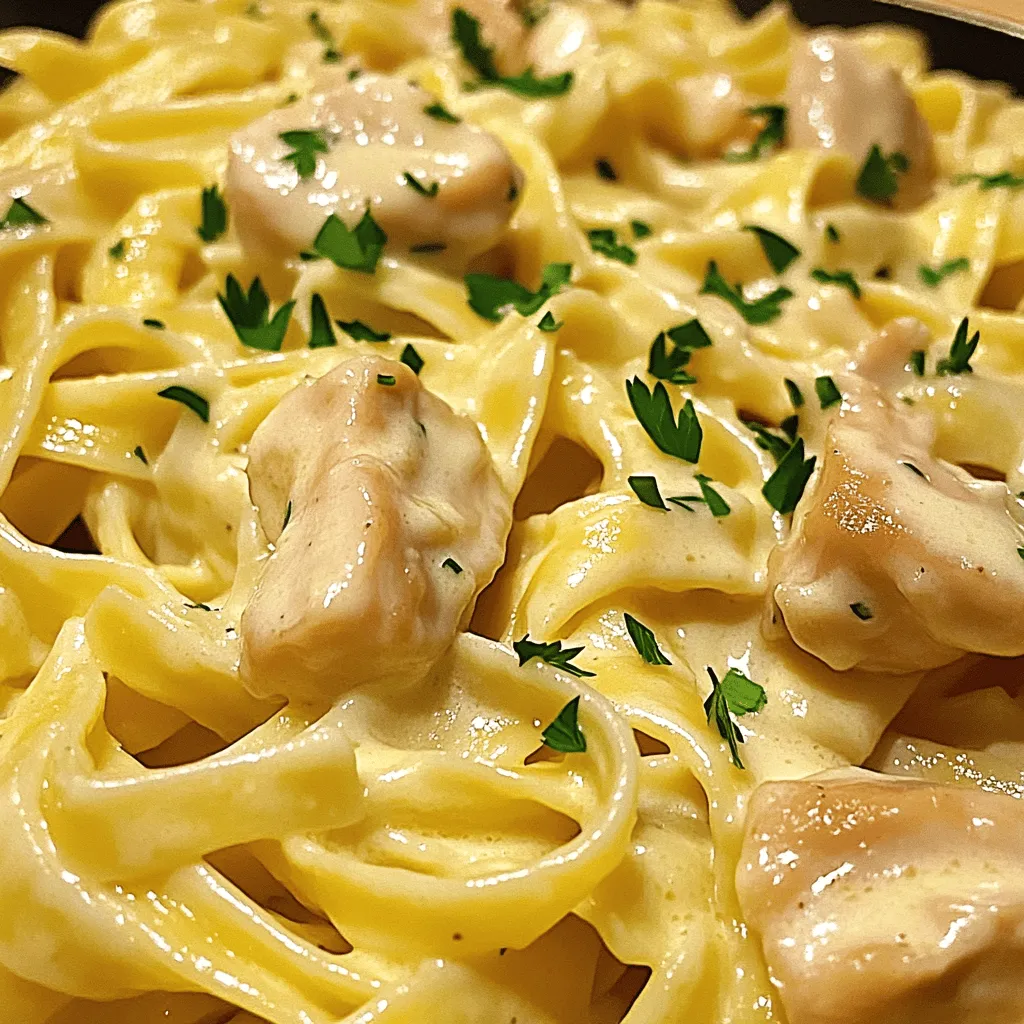
- 1 lb boneless, skinless chicken breasts - 2 tablespoons olive oil - 3 cloves garlic, minced - 1 teaspoon Italian seasoning - 1 cup chicken broth - 8 oz fettuccine pasta - 1 cup heavy cream - 1 cup grated Parmesan cheese - Salt and pepper to taste - Fresh parsley, chopped (for garnish) - Instant Pot - Spoon for stirring - Measuring cups and spoons The key to a great chicken Alfredo is simple ingredients. You need chicken, cream, and cheese. I love using boneless, skinless chicken breasts for ease. Olive oil gives the chicken a nice crisp. Garlic adds flavor and makes the dish smell amazing. Italian seasoning is a must for that classic taste. The chicken broth helps cook the pasta and keeps it moist. Fettuccine is the best pasta choice here. It holds the sauce well. Heavy cream makes the sauce rich and creamy. Parmesan cheese adds a sharp flavor that balances everything. Don’t forget to season with salt and pepper to taste. Fresh parsley gives a nice pop of color and freshness when you serve it. Gather your ingredients and equipment before you start. This will make cooking smoother and more fun. - Sautéing the Chicken I start by setting my Instant Pot to Sauté mode. I add 2 tablespoons of olive oil. Once the oil is hot, I place 1 lb of boneless, skinless chicken breasts in the pot. I season them with 1 teaspoon of Italian seasoning, salt, and pepper. I sauté the chicken for about 3-4 minutes on each side until it turns golden brown. After that, I take the chicken out and set it aside. - Cooking the Garlic Next, I add 3 cloves of minced garlic to the same pot. I sauté the garlic for about 30 seconds. The smell is amazing, and it adds great flavor to the dish. - Adding Broth and Pasta After the garlic is fragrant, I pour in 1 cup of chicken broth. I make sure to scrape the bottom of the pot to loosen any tasty bits stuck there. Then, I add 8 oz of fettuccine pasta. It's important to ensure the pasta is submerged in the broth, but I do not stir it. - Pressure Cooking the Mix I place the sautéed chicken on top of the pasta. Then, I close the lid and set the Instant Pot to Manual (or Pressure Cook) for 10 minutes. This step locks in all the flavors and cooks the pasta perfectly. - Quick Release of Pressure Once the 10 minutes are up, I perform a quick release of the pressure. I carefully remove the chicken from the pot and set it aside. - Combining Cream and Cheese I switch the Instant Pot back to Sauté mode. Then, I stir in 1 cup of heavy cream and 1 cup of grated Parmesan cheese. I mix it until the cheese melts and the sauce becomes creamy. If I like, I can break the chicken into bite-sized pieces and put it back in the pot. - Adjusting Seasoning Finally, I taste the sauce and adjust the seasoning with extra salt and pepper as needed. The sauce should be rich and flavorful, perfectly coating the pasta. Ensuring Creamy Texture To make your sauce creamy, use heavy cream. This adds richness. Stir in the Parmesan cheese slowly. It melts better and blends well. You can also add a bit of pasta water. This helps the sauce stick to the noodles. Optimal Pasta Cooking Do not stir the pasta before cooking. Just make sure it’s all under the broth. This prevents clumping. The pressure cooking will cook it evenly. After pressure cooking, the pasta absorbs flavors well. Overcooking the Chicken Chicken can become dry if overcooked. Sauté it until browned, then pressure cook. Ten minutes is just right. Always check the internal temperature. It should be 165°F for safety. Stirring the Pasta Before Pressure Cooking Resist the urge to stir the pasta. It can lead to uneven cooking. The pressure cooker does the work for you. Just layer the chicken on top, and let it do its magic! {{image_2}} Using Different Types of Pasta You can swap out fettuccine for other types of pasta. Try penne, rotini, or even whole wheat pasta. Each option adds its own twist. Keep in mind that cooking times may vary. Always check the package for guidance. Low-Fat Cream Alternatives If you want a lighter dish, use low-fat cream or milk. You can also try Greek yogurt for a creamy texture. It adds a tangy flavor too. Adjust the cooking time slightly if you use milk, as it can thin out the sauce. Incorporating Vegetables Adding veggies boosts nutrition and flavor. Consider spinach, broccoli, or bell peppers. Sauté them with garlic for extra taste. You can add them right before you stir in the cream. This step keeps them bright and crisp. Spices for Extra Kick Want some heat? Add red pepper flakes or black pepper. You can also use smoked paprika for a smoky flavor. Just a pinch can elevate your dish. Balance the spices to match your taste buds. To keep your Chicken Alfredo fresh, store it properly. First, let the dish cool to room temperature. Then, place it in an airtight container. This helps prevent moisture loss. - Best Practices for Refrigeration: Store your leftovers in the fridge. They can last for up to three days. Make sure to seal the container tightly. This keeps the flavors intact. - Freezing Tips: If you want to save it longer, freezing works well. Put the cooled Chicken Alfredo in a freezer-safe container. Use plastic wrap for extra protection. It can last in the freezer for about two months. When it’s time to enjoy your leftovers, reheating is key. You want to keep the sauce creamy and delicious. - Methods for Proper Reheating: The best way is to use the stove. Heat a pan on low. Add your Chicken Alfredo and a splash of cream. Stir gently until warm. You can also use the microwave. Just heat in short bursts and stir in between. - Avoiding Separation of Sauce: To keep the sauce from separating, add a little cream or milk. This helps maintain the smooth texture. Stir well while reheating. Enjoy your creamy dinner delight! Yes, you can make Chicken Alfredo on the stove. Just use a large pot. Cook the chicken in olive oil, then add garlic and broth. Afterward, add pasta and cook until tender. Stir in cream and cheese to make the sauce. To thicken the sauce, you can add more cheese. Mixing in a bit of cornstarch mixed with water also works. Just stir it in while cooking until you reach the desired thickness. Chicken Alfredo pairs well with salad and garlic bread. Steamed broccoli or green beans add a nice crunch too. These sides balance the meal and add color to your plate. Leftovers will last about 3 to 4 days in the fridge. Store them in an airtight container to keep the flavors fresh. Yes, you can make Chicken Alfredo gluten-free. Simply use gluten-free pasta. The rest of the ingredients are already gluten-free. Always check labels to ensure they're safe. You can make a great Chicken Alfredo with just a few ingredients and tools. We covered the main items you'll need, along with simple steps for cooking in an Instant Pot. Remember to avoid common mistakes to keep your dish creamy and tasty. Feel free to change up ingredients and flavors to fit your taste. Finally, storing leftovers is easy with the right methods. Enjoy your homemade meal!
Instant Pot Chicken Alfredo Creamy Dinner Delight
Looking for a quick, creamy dinner that delights your taste buds? This Instant Pot Chicken Alfredo is your answer! With just a few simple ingredients
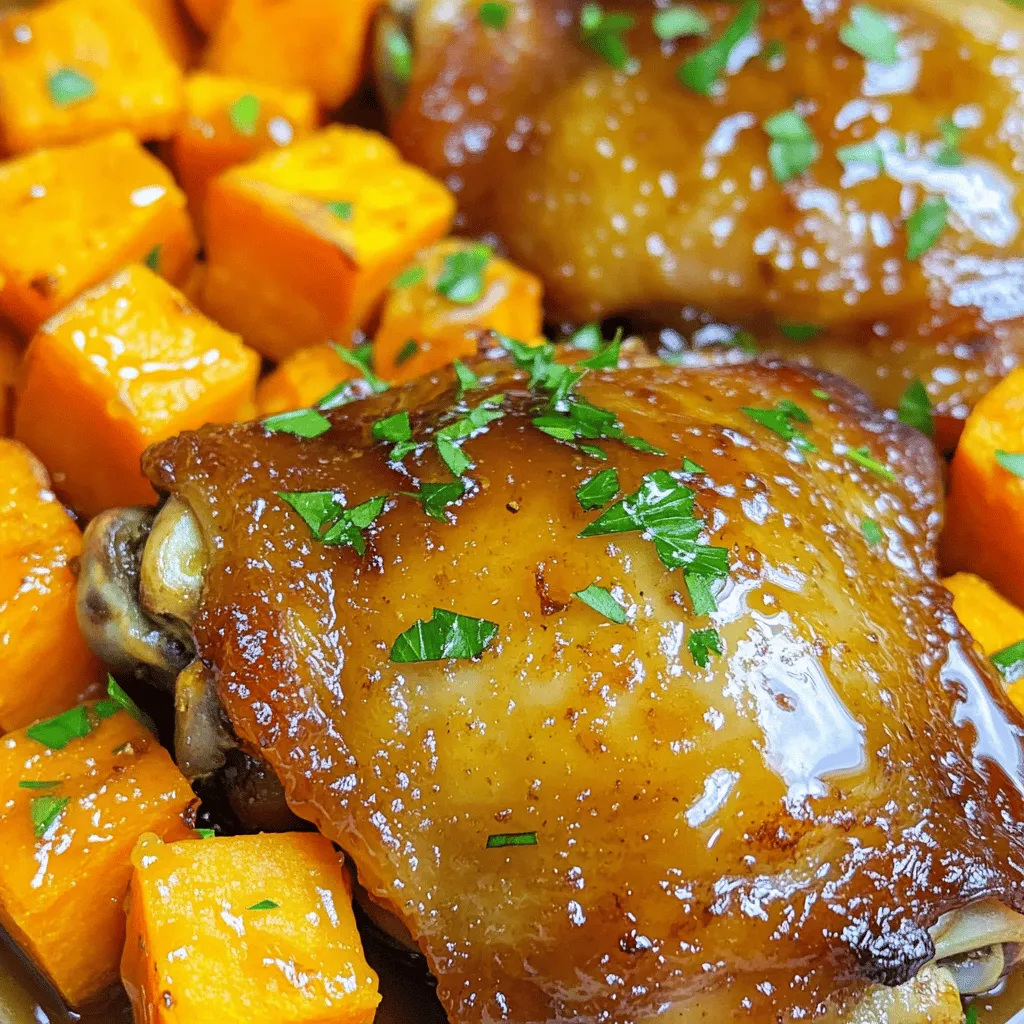
- 4 chicken thighs (bone-in, skin-on) - 2 large sweet potatoes, peeled and cubed - ¼ cup honey - 4 cloves garlic, minced - 2 tablespoons soy sauce (low-sodium) - 1 tablespoon olive oil - ½ teaspoon ground ginger - ½ teaspoon smoked paprika - Salt and pepper to taste - Fresh parsley, chopped (for garnish) For the best flavor, choose fresh ingredients. Look for chicken thighs with good color and no strong odor. The sweet potatoes should feel firm and have smooth skin. Fresh garlic adds a nice kick, while high-quality honey gives a rich sweetness. Use low-sodium soy sauce to control salt levels in your dish. Olive oil should be extra virgin for the best taste. Feel free to add veggies like carrots or bell peppers for more color and flavor. You can swap chicken thighs for chicken breasts if you prefer. Try using maple syrup instead of honey for a different sweet note. If you want a kick, add red pepper flakes to the marinade. This dish is flexible, so get creative with what you have! First, set your oven to 400°F (200°C). This high heat helps to crisp the chicken skin. Line a large baking sheet with parchment paper. The paper makes cleanup easy. You want to make sure there is enough space for both the chicken and sweet potatoes. In a small bowl, mix together the following: - ¼ cup honey - 4 cloves garlic, minced - 2 tablespoons soy sauce (low-sodium) - 1 tablespoon olive oil - ½ teaspoon ground ginger - ½ teaspoon smoked paprika - Salt and pepper to taste Stir until smooth. This mix gives the chicken its sweet and savory flavor. Brush it on the chicken for a tasty glaze. Take 2 large sweet potatoes and peel them. Then, cut them into small cubes. In a large bowl, drizzle them with olive oil, salt, and pepper. Toss well to coat every piece. This helps the sweet potatoes roast evenly. Arrange them on one side of the baking sheet. Leave room for chicken thighs on the other side. Start by laying out all your ingredients. Grab a large baking sheet and line it with parchment paper. This helps with easy cleanup later. Take the cubed sweet potatoes and toss them with olive oil, salt, and pepper in a big bowl. Coat them well. Spread the sweet potatoes on one side of the baking sheet. Make sure to leave enough room for the chicken thighs. Now, take your chicken thighs. Pat them dry with a paper towel. Place them skin-side up on the other side of the baking sheet. This helps the skin get crispy. Brush the honey garlic marinade over the chicken. Don’t be shy! Let some of the sauce drip onto the sweet potatoes for added flavor. Put the baking sheet in your preheated oven at 400°F (200°C). Roast everything for about 25 to 30 minutes. The sweet potatoes should be tender, and the chicken should be golden brown. To check the chicken, use a meat thermometer. It needs to reach at least 165°F (75°C) to be safe to eat. If you don't have a thermometer, cut into the chicken. It should not be pink inside. To ensure even cooking, stir the sweet potatoes halfway through. This helps them roast evenly and prevents burning. Keep an eye on the chicken as well. If it looks like it's browning too fast, you can cover it loosely with foil. This will prevent the skin from burning while the inside cooks through. After roasting, let the dish rest for about five minutes before serving. This helps the juices settle for a more flavorful bite. {{image_2}} Choose bone-in, skin-on chicken thighs for this dish. The skin adds flavor and moisture. Pat the thighs dry before cooking. This helps the skin get crispy. Use a meat thermometer to check doneness. Chicken should reach 165°F (75°C) inside. Let the chicken rest for a few minutes after cooking. This keeps it juicy and tender. Start with fresh, firm sweet potatoes. Peel and cube them into even pieces. This ensures they cook evenly. Toss them with olive oil, salt, and pepper. For extra flavor, try adding herbs like rosemary or thyme. You can also sprinkle a little cinnamon for warmth. Stir the sweet potatoes halfway through roasting. This helps them brown and caramelize nicely. Do not overcrowd the baking sheet. Give each piece space for heat to circulate. Avoid using too much liquid in the marinade. A thick layer is best for flavor. Watch cooking times closely. Overcooked chicken can become dry. Lastly, remember to rest the chicken before serving. This step is key for juicy meat. You can easily switch the chicken for other proteins. Try bone-in, skin-on chicken thighs for juicy flavor. If you want something lighter, use boneless chicken breast. For a unique twist, use pork tenderloin. You can also try tofu for a vegetarian option. Just make sure to adjust cooking times for each protein type. Sweet potatoes are great, but you can add other veggies too. Carrots add nice sweetness and color. Broccoli florets work well, adding a crunchy bite. Bell peppers bring a pop of color and flavor. Zucchini slices roast quickly and soak up the marinade. Keep in mind, different veggies may need slight adjustments in cooking time. The honey garlic marinade is a hit, but feel free to mix it up. Add lime juice for a citrus zing. Using maple syrup instead of honey gives a rich taste. For heat, try adding crushed red pepper flakes. Swap soy sauce for teriyaki for a sweet twist. You can even experiment with herbs like rosemary or thyme for fresh notes. After cooking, let the dish cool down to room temperature. Use an airtight container to store the chicken and sweet potatoes. This keeps them fresh and prevents odors from mixing in your fridge. Make sure to separate the chicken from the sweet potatoes if you want to keep their textures better. When stored properly, Honey Garlic Chicken and sweet potatoes last about three to four days in the fridge. If you want to keep it longer, think about freezing it! This can extend the life of your meal to about three months. Just make sure to use freezer-safe containers. To reheat, the oven works best. Preheat it to 350°F (175°C). Place the chicken and sweet potatoes on a baking sheet. Heat them for about 15-20 minutes until warmed through. If you like, you can cover the dish with foil to keep it moist. You could also use a microwave, but the oven will give you better results. This blog post covered key parts for cooking a great dish. We discussed the best ingredients and how to choose quality ones. I shared steps for making a tasty honey garlic marinade and prepping sweet potatoes. You learned the right cooking times and tips to avoid mistakes. Take these ideas and try making your dish. Think about the fun variations to keep it fresh. With practice, you'll master this recipe. Enjoy your cooking!
Honey Garlic Chicken & Sweet Potatoes Sheet Pan Delight
Looking for a simple, tasty dinner? You’ve found it! In this blog, I’ll show you how to make Honey Garlic Chicken and Sweet Potatoes on

- 1 medium butternut squash, peeled and cubed - 1 medium onion, chopped - 2 carrots, sliced - 2 cloves garlic, minced - 4 cups vegetable broth - 1 teaspoon ground ginger - 1 teaspoon ground cinnamon - 1/2 teaspoon nutmeg - Salt and pepper to taste - 1 tablespoon olive oil - 1 cup coconut milk (or heavy cream) - Fresh parsley for garnish When making slow cooker butternut squash soup, fresh ingredients shine. Start with a medium butternut squash. Peel and cube it into bite-sized pieces. This gives the soup a smooth texture. Next, chop one medium onion and slice two carrots. These add sweetness and depth to the flavor. Don’t forget to mince two cloves of garlic. Garlic brings a lovely aroma to the mix. Next, you’ll need the broth and seasonings. Four cups of vegetable broth form the base of this soup. It keeps the soup light and tasty. For spice, use one teaspoon of ground ginger and one teaspoon of ground cinnamon. They add warmth and a hint of sweetness. A half teaspoon of nutmeg enhances the flavor even more. Lastly, season it with salt and pepper to taste. Now for the finishing touch: one tablespoon of olive oil. This helps coat the veggies and brings them together. For creaminess, add one cup of coconut milk or heavy cream. Coconut milk gives a rich, tropical twist if you want a dairy-free option. Don’t forget fresh parsley for garnish; it brings color and freshness to your bowl. Start by peeling and cubing the butternut squash. Use a sharp knife to cut it into small pieces. This helps it cook evenly. Next, chop the onion and slice the carrots. Place all these veggies into a large bowl. Add one tablespoon of olive oil. Toss them together so every piece gets coated. Now, sprinkle in one teaspoon of ground ginger, one teaspoon of ground cinnamon, and half a teaspoon of nutmeg. Season with salt and pepper to taste. This mix of spices adds warmth and flavor to the soup. Transfer the seasoned vegetables into your slow cooker. Add two cloves of minced garlic for extra taste. Pour in four cups of vegetable broth. Stir everything well to combine. Cover the slow cooker with its lid. Set it to cook on low for six to eight hours or on high for three to four hours. The goal is to let the squash become soft and tender. Once cooking is done, use an immersion blender to purée the soup. Blend until it reaches your desired smoothness. If you don’t have an immersion blender, carefully transfer the soup in batches to a regular blender. After blending, stir in one cup of coconut milk for creaminess. Taste and adjust the seasoning if needed. Warm the soup on low for another ten to fifteen minutes before serving. Finally, ladle the soup into bowls and garnish with fresh parsley. Enjoy your rich and creamy soup! To know when your butternut squash is tender, poke it with a fork. If it goes in easily, your squash is ready. Tender squash makes for a smooth soup. If you find it hard, let it cook longer. You can adjust thickness and creaminess easily. For a thicker soup, use less broth. If you prefer it creamier, add more coconut milk or heavy cream. Blend until you reach your desired texture. I love using an immersion blender. It makes blending easy and quick. Look for one with a strong motor. This will help you create a silky soup in no time. Brands like Breville and Cuisinart are great choices. For your slow cooker, make sure it has a good seal. This helps keep moisture inside. If your cooker has a sauté option, use it to cook the onions first. This adds extra flavor to your soup. Slow cookers come in different sizes and settings. If you have a high setting, cook the soup for 3-4 hours. On low, it will take 6-8 hours. Check the squash around the 3-hour mark to see if it’s tender. If you're in a hurry, try the stove top. Cook the soup in a pot for about 30-40 minutes instead. Just make sure to watch it closely. This method can save you time while still giving you that rich, creamy taste. {{image_2}} You can make this soup vegan and dairy-free by using coconut milk. Coconut milk adds a creamy texture and sweet flavor. It blends well with the butternut squash. You can also try other plant-based options like almond milk or oat milk. Each will give a unique taste while keeping the soup rich and smooth. Want to boost the flavor? Try adding extra veggies like sweet potatoes or bell peppers. They give more depth to the soup. You can also mix in spices like cumin or turmeric for a warm kick. Fresh herbs such as thyme or rosemary can add an aromatic touch. These additions will make your soup even more delicious and special. You can make this soup ahead of time. To store it, let it cool first. Pour it into airtight containers and keep it in the fridge for up to 4 days. For longer storage, freeze the soup. Use freezer-safe bags or containers to save space. When you're ready to eat, thaw it overnight in the fridge. Reheat on the stove or in the microwave for a warm, comforting meal. To store leftover soup in the fridge, let it cool first. Use a clean, airtight container. Pour the soup into the container and seal it tightly. It will stay fresh for up to five days. Make sure to label the container with the date. This helps you keep track of its freshness. For the best results, freeze butternut squash soup in small portions. Use freezer-safe bags or containers. Leave some space at the top, as the soup will expand when it freezes. It can last up to three months in the freezer. To thaw, place it in the fridge overnight before reheating. To reheat without losing flavor, warm the soup slowly on the stove over medium heat. Stir often to prevent it from sticking. If the soup seems thick, add a little vegetable broth or water. You can also use a microwave. Heat it in short intervals, stirring in between. This keeps the soup creamy and delicious. Yes, you can. If you don’t have an immersion blender, use a regular blender. First, let the soup cool down a bit. Then, blend the soup in batches. Be careful; hot soup can splatter. Return the blended soup to the slow cooker and stir well. This method works well for a smooth texture. You can add many toppings and mix-ins. Here are some ideas: - Croutons for crunch - A swirl of cream or coconut milk for richness - Toasted pumpkin seeds for a nutty flavor - Fresh herbs like thyme or rosemary for extra aroma - A sprinkle of chili flakes for some heat These additions can take your soup to the next level! If you want to add heat, try these options: - Add a pinch of cayenne pepper to the soup before cooking. - Stir in some chopped jalapeños or serrano peppers. - Top the soup with a spicy sauce, like sriracha or hot sauce. Adjust the heat level to match your taste. Enjoy the warm kick! In this blog post, we explored how to make slow cooker butternut squash soup. You learned about the key ingredients, step-by-step instructions, and helpful tips. We covered variations to suit your diet and how to store leftovers for later. To sum up, this soup is simple and packed with flavor. You can easily customize it to fit your taste. Enjoy making this warm, hearty dish anytime you like!
Slow Cooker Butternut Squash Soup Rich and Creamy Delight
If you crave a bowl of warm, creamy comfort, you’ve found it! My Slow Cooker Butternut Squash Soup is rich and full of flavor. This
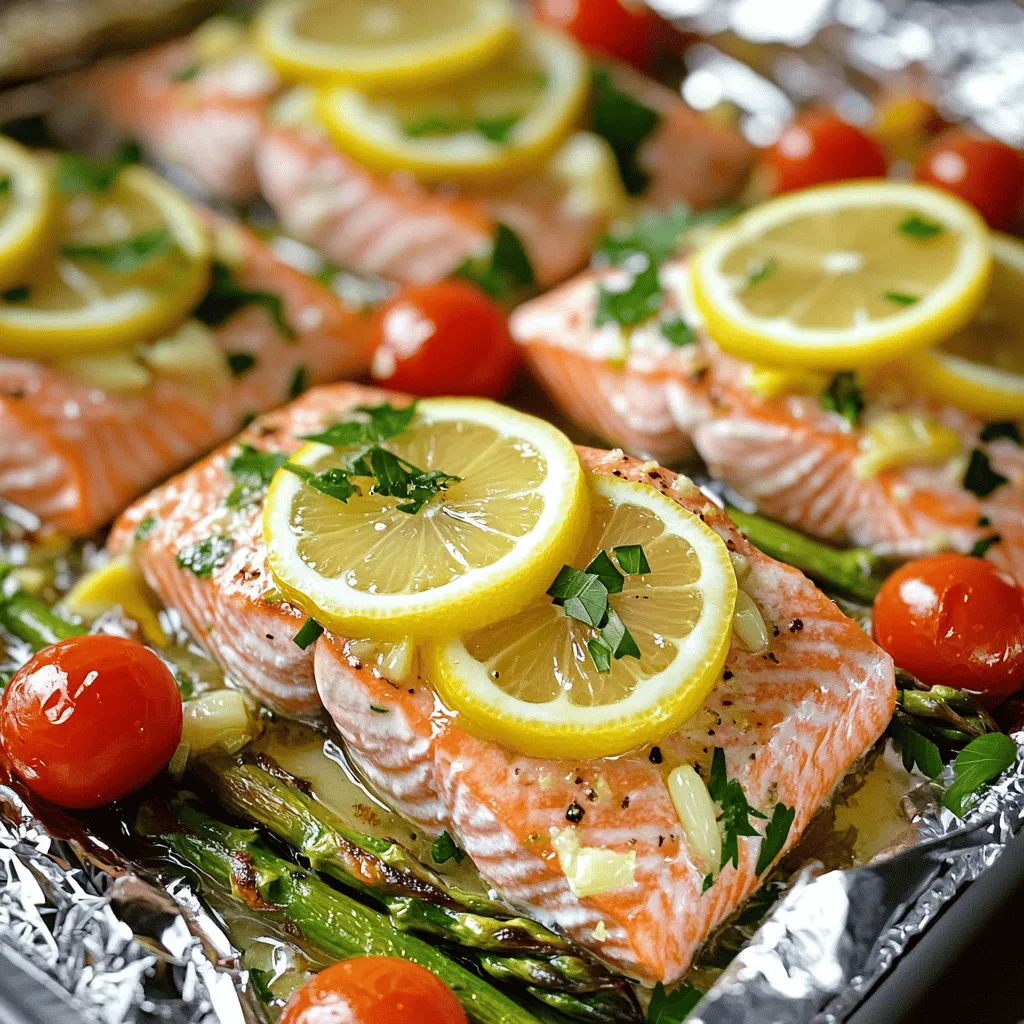
- 4 salmon fillets (6 oz each) - 4 tablespoons unsalted butter, melted - 4 cloves garlic, minced Salmon fillets are the star of this dish. They are rich in healthy fats. The unsalted butter adds a creamy layer of flavor. Fresh garlic brings a punch of zest. Together, these ingredients create a tasty base. - 2 lemons (1 sliced, 1 for juice) - 1 teaspoon dried thyme - 1 teaspoon dried parsley - 1 cup cherry tomatoes, halved - 1 cup asparagus, trimmed Lemon slices add freshness and brightness. They balance the richness of the salmon. Lemon juice gives the dish a tangy kick. Fresh herbs like thyme and parsley bring depth. Cherry tomatoes and asparagus add color and texture. They make the meal more fun and vibrant. - Salt and pepper - Fresh parsley for garnish Salt and pepper are essential for flavor. They enhance all the other ingredients. Fresh parsley adds a pop of color when served. It makes your dish look lovely and appetizing. 1. Preheating the oven: Start by setting your oven to 400°F (200°C). This high heat helps cook the salmon quickly and keeps it tender. 2. Cutting the aluminum foil: Next, cut four large pieces of aluminum foil. Each piece should measure about 12x16 inches. This size gives you enough room to wrap the salmon and veggies snugly. 1. Placing salmon and vegetables on the foil: Put one salmon fillet in the center of each piece of foil. On one side, add a cup of halved cherry tomatoes and a cup of trimmed asparagus. This adds color and nutrition. 2. Adding the garlic butter mixture: In a small bowl, mix melted butter, minced garlic, lemon juice, thyme, parsley, salt, and pepper. Drizzle this mixture over the salmon. Then, place lemon slices on top. This will give the salmon a bright flavor. 1. Sealing the packets properly: Fold the foil over the salmon and veggies. Press the edges together tightly to seal. Make sure there are no gaps for steam to escape. This keeps the salmon moist. 2. Cooking time and temperature guidance: Place the foil packets on a baking sheet and bake them in the preheated oven for 15-20 minutes. The salmon is done when it flakes easily with a fork. Open the packets carefully to avoid steam burns. Enjoy the fresh flavors of your Lemon Garlic Butter Salmon Foil Packs! How do I check for doneness? To check salmon, insert a fork into the thickest part. If it flakes easily, it’s done. You can also use a food thermometer. The ideal internal temperature is 145°F. How can I avoid overcooking? Overcooking can dry out salmon. Keep an eye on the time. Start checking at 15 minutes. If you see the fish turning opaque, it’s close to being ready. Remove it from heat right away to keep it juicy. What herbs and spices work well? You can switch up the herbs. Try dill or basil for a fresh twist. A pinch of red pepper flakes adds a nice kick. Experiment with your favorite flavors to make it your own. Can I use different vegetables? Yes! You can add bell peppers, zucchini, or even broccoli. Just cut them into similar sizes. This way, they cook evenly with the salmon. Mix and match what you have on hand. What are the best practices for sealing the packets? Make sure to fold the edges tightly to trap steam. Leave some space inside the pack for the salmon and veggies to breathe. This helps cook them evenly and keeps the flavors in. What tips do you have for easy cleanup? Line your baking sheet with parchment paper. This helps catch drips from the foil. You can also use non-stick foil. This makes it easier to remove the salmon without sticking. {{image_2}} You can swap salmon for other proteins. Shrimp cooks fast and adds a nice twist. Use about 1 pound of shrimp, peeled and deveined. Just like the salmon, you’ll season them with the garlic butter. Chicken is another great option. Use boneless chicken breasts for a tasty change. Cook them for about 20-25 minutes, as they need a bit longer. Seasonal vegetables can make your dish even better. In spring, try using fresh peas or green beans. In summer, zucchini or bell peppers work well. For fall, consider adding butternut squash or Brussels sprouts. Just chop them up and mix with the garlic butter like you do with asparagus and tomatoes. You can change the flavors for a new experience. For an Asian twist, add soy sauce and ginger to the garlic butter. Top the salmon with sliced green onions and sesame seeds. For a Mediterranean flavor, use olive oil instead of butter. Add olives, artichokes, and oregano to the foil pack for a fresh taste. The options are endless! To keep your leftovers fresh, let the salmon cool first. Place it in an airtight container. Refrigerate it within two hours. It will stay good for up to three days. For longer storage, freeze your leftovers. Wrap them tightly in plastic wrap, then foil. This keeps out air and prevents freezer burn. You have two main choices for reheating: microwave or oven. For the microwave, place the salmon on a microwave-safe plate. Cover it with a damp paper towel. Heat in short bursts of 30 seconds. Check to avoid overcooking. If you prefer the oven, preheat it to 350°F (175°C). Place the foil packet on a baking sheet. Heat for about 10-15 minutes. This method helps keep the fish moist and full of flavor. Pair your salmon with side dishes like rice, quinoa, or a fresh salad. Roasted potatoes also work well. For a vibrant touch, add lemon wedges on the plate. To make it look fancy, sprinkle some fresh parsley on top. This adds color and flavor to your dish. Cooking salmon in foil takes about 15 to 20 minutes at 400°F (200°C). The time may vary based on the thickness of the salmon fillets. A good rule is to cook until the salmon flakes easily with a fork. Keep an eye on it, as overcooking can make the fish dry. Yes, you can use frozen salmon! Just increase the cooking time by about 5 to 10 minutes. Make sure the salmon is fully cooked and flakes easily. You can still enjoy that tasty lemon garlic flavor even with frozen fish. If you want to replace butter, try olive oil or coconut oil. You can also use vegan butter for a dairy-free option. Each of these will give a nice flavor while keeping your dish rich and moist. This article covered everything you need for making lemon garlic butter salmon foil packs. We explored the key ingredients, shared step-by-step instructions, and offered tips for perfect cooking. You can even try variations using different proteins and veggies. Don’t forget to store your leftovers properly for tasty meals later. With this guide, cooking salmon becomes easy and fun. Now, enjoy creating your foil packs and impressing your friends and family!
Lemon Garlic Butter Salmon Foil Packs Quick and Easy Dish
Looking for a quick and easy dinner idea? Try these Lemon Garlic Butter Salmon Foil Packs! They are simple to make, packed with flavor, and
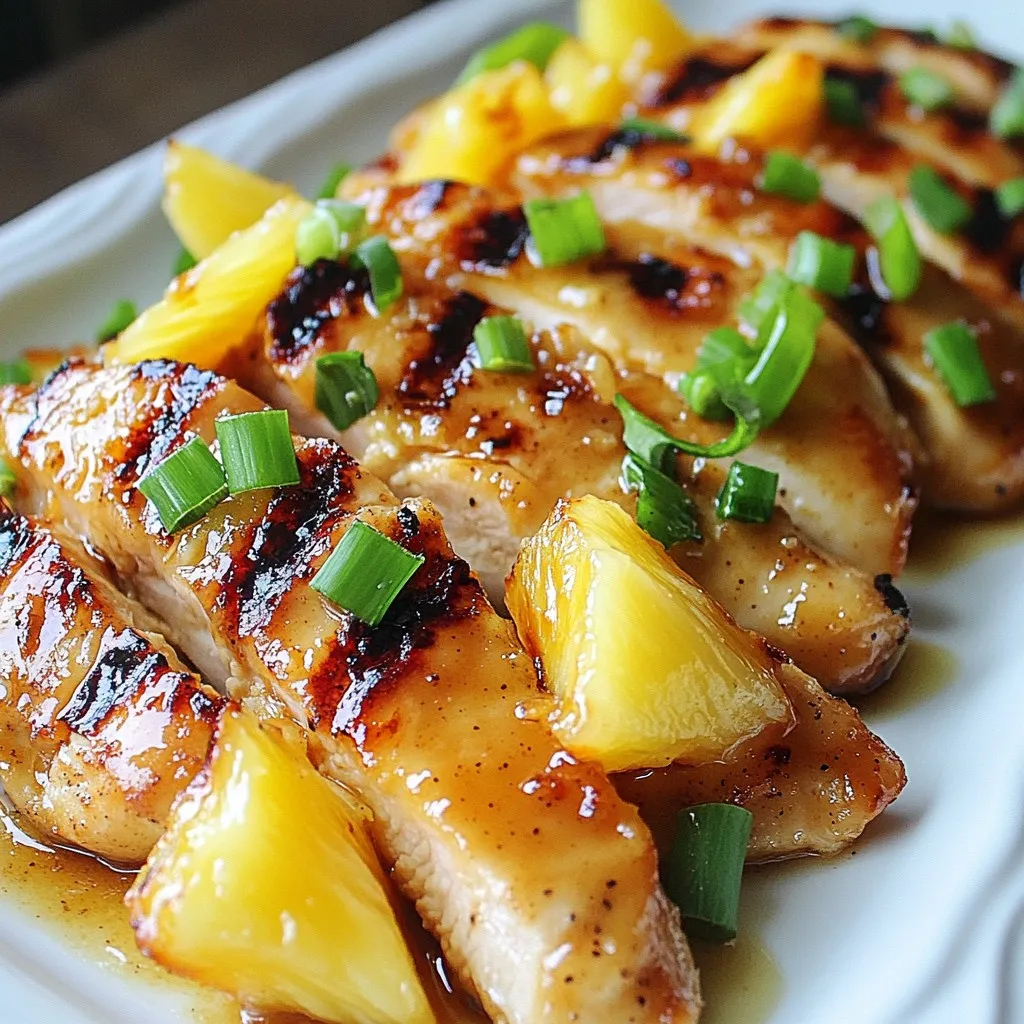
- 4 boneless, skinless chicken breasts - 1 cup fresh pineapple, diced - 1/2 cup brown sugar - 1/4 cup soy sauce - 3 cloves garlic, minced - 1 tablespoon fresh ginger, grated - 1 tablespoon sesame oil - 1/4 teaspoon black pepper - 1/2 teaspoon red pepper flakes (optional) - 1/4 cup green onions, chopped (for garnish) To make Brown Sugar Pineapple Chicken, you need simple yet tasty ingredients. The chicken breasts are the star of the dish. They soak up the sweet marinade well. Diced fresh pineapple adds a juicy punch. The marinade is what makes this dish special. Brown sugar gives a rich sweetness. Soy sauce adds a savory kick. Minced garlic and grated ginger give depth. Sesame oil adds a nice nutty flavor. Black pepper adds warmth. If you like heat, throw in red pepper flakes. Don't forget the green onions! They add color and a fresh taste. This mix of flavors creates a mouthwatering dish that you will love. Get these ingredients ready, and let's cook! {{ingredient_image_1}} To make the marinade, start with a mixing bowl. Add 1/2 cup brown sugar, 1/4 cup soy sauce, 3 minced garlic cloves, and 1 tablespoon grated ginger. Then, pour in 1 tablespoon sesame oil, and sprinkle in 1/4 teaspoon black pepper. If you like heat, add 1/2 teaspoon red pepper flakes. Whisk all these ingredients together until the brown sugar dissolves. This mixture will give your chicken a sweet and savory flavor. Next, place 4 boneless, skinless chicken breasts in a resealable plastic bag or shallow dish. Pour the marinade over the chicken, ensuring each piece is coated well. Seal the bag or cover the dish tightly. Refrigerate for at least 1 hour, but 3 hours is better for fuller flavor. The chicken absorbs the marinade, making it juicy and tasty. Before grilling, preheat your grill to medium-high heat. Take the chicken out of the marinade and let any excess drip off. Discard the leftover marinade to keep things safe. Grill the chicken for about 6-7 minutes on each side. You want it to reach an internal temperature of 165°F (75°C). For added sweetness, grill the diced pineapple during the last 2 minutes. This caramelizes the pineapple and brings out its natural sugars. After grilling, let the chicken rest for 5 minutes before slicing. Serve it with the grilled pineapple on top and garnish with chopped green onions for a burst of flavor. To get juicy grilled chicken, start with good chicken breasts. Use boneless and skinless chicken for easy handling and quick cooking. Make sure your grill is hot before you cook. This helps to sear the chicken and keep the juices inside. Grill each piece for about 6-7 minutes on each side. When the chicken reaches 165°F, it is done. Marinating is key for great flavor. I recommend marinating the chicken for at least one hour. If you have time, let it sit for three hours. The longer it marinates, the more flavor it absorbs. The brown sugar, soy sauce, and garlic mix will give it a sweet and savory taste. After grilling, let the chicken rest for five minutes. This keeps it juicy. Slice the chicken and top it with the grilled pineapple. The caramelized pineapple adds a nice touch. For color, sprinkle some chopped green onions on top. Serve this dish with rice or a fresh salad for a complete meal. Pro Tips Marinate for Maximum Flavor: Allow the chicken to marinate for at least 3 hours for the best flavor. If possible, marinate overnight to let the flavors really penetrate the meat. Check Grill Temperature: Make sure your grill is preheated to medium-high heat before adding the chicken. This helps to achieve a nice sear and prevents sticking. Use Fresh Pineapple: Fresh pineapple not only tastes better, but it also has enzymes that help tenderize the chicken, adding to the overall texture and flavor of your dish. Rest the Chicken: Let the grilled chicken rest for at least 5 minutes before slicing. This allows the juices to redistribute, making the chicken more tender and juicy. {{image_2}} You can swap some ingredients for different flavors. For a sweeter taste, use honey instead of brown sugar. If you want a tangy kick, try using apple cider vinegar with the soy sauce. You can also change the chicken. Use pork or tofu for a unique twist. No grill? No problem! You can cook this dish in a skillet. Heat the skillet over medium-high heat and add a little oil. Cook the chicken for about 6-7 minutes on each side. You can also bake the chicken in the oven. Set it to 375°F (190°C) and bake for 25-30 minutes. Pair your chicken with tasty sides. Rice is great for soaking up the sauce. Steamed veggies add color and nutrients. For a fresh touch, serve a salad with greens and citrus. You can also try grilled corn on the cob for a fun summer feel. Each side dish will enhance your meal and satisfy your guests. After you enjoy your Brown Sugar Pineapple Chicken, save any leftovers. Place the chicken in an airtight container. This keeps it fresh and tasty. Store it in the fridge for up to three days. If you want to keep it longer, freezing is a great option. To freeze your chicken, let it cool first. Then, wrap it tightly in plastic wrap. After that, place it in a freezer-safe bag. Squeeze out as much air as you can. This helps prevent freezer burn. You can freeze it for up to three months. When you are ready to eat it again, thaw it in the fridge overnight. Reheat your chicken in the oven for the best taste. Preheat the oven to 350°F (175°C). Place the chicken on a baking dish. Cover it with foil to keep it moist. Heat for about 15-20 minutes or until it’s warm throughout. You can also use a microwave. Just place the chicken on a microwave-safe plate. Heat in short bursts of 1-2 minutes, checking often. Enjoy it warm with any remaining grilled pineapple! The best way to marinate chicken is to use a mix of flavors. First, combine brown sugar, soy sauce, garlic, ginger, sesame oil, and spices in a bowl. Whisk until the brown sugar dissolves. Next, place your chicken breasts in a bag or dish. Pour the marinade over the chicken. Seal the bag or cover the dish well. Let it sit in the fridge for at least 1 hour. For the best flavor, aim for 3 hours. The longer you marinate, the more flavor your chicken gets. Yes, you can use canned pineapple. However, fresh pineapple gives a better taste. Canned pineapple has added sugar and a softer texture. If you use canned, drain it well before grilling. This helps keep the right texture on the grill. Fresh pineapple caramelizes nicely and adds a great touch. To check if the chicken is cooked, use a meat thermometer. The chicken should reach 165°F (75°C) in the thickest part. If you don’t have a thermometer, cut into the chicken. The juices should run clear, and the meat should no longer be pink. Be careful not to overcook it, as it can dry out. You now have a clear guide to making delicious grilled chicken. We covered the key ingredients, including chicken breasts and marinade components, and shared step-by-step grilling tips. Remember to marinate to enhance flavor and to try different variations for fun meals. Store your leftovers properly and follow reheating tips for best taste. With this knowledge, you can create tasty chicken dishes that your friends and family will love. Happy grilling!
Brown Sugar Pineapple Chicken Simple Grilling Recipe
Get ready to impress your taste buds with my Brown Sugar Pineapple Chicken! This simple grilling recipe combines sweet and savory flavors that make dinner
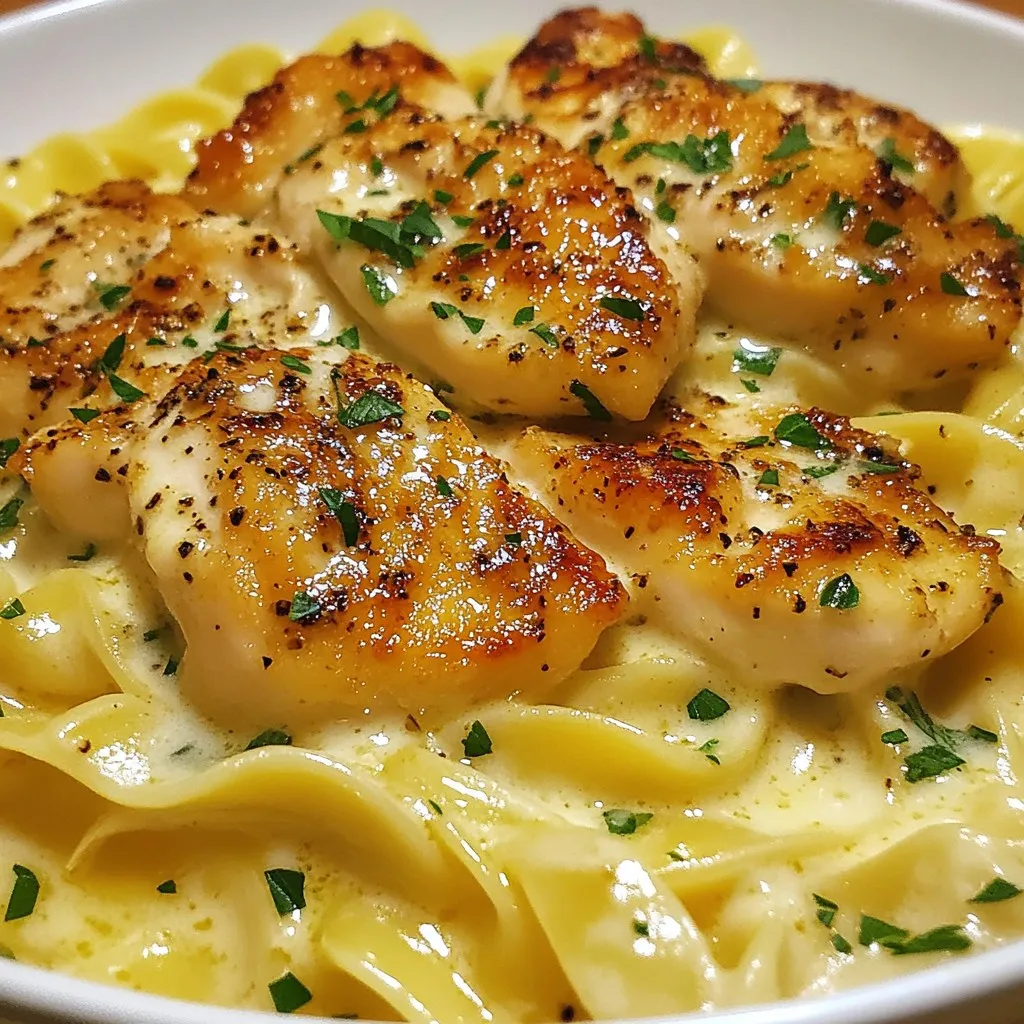
- 2 boneless, skinless chicken breasts - 200g egg noodles - 3 tablespoons unsalted butter - 3 cloves garlic, minced - 1 cup chicken broth - 1 cup heavy cream - 1 tablespoon olive oil - 1/2 teaspoon dried thyme - 1/2 teaspoon paprika - Salt and pepper to taste - Fresh parsley, chopped (for garnish) - Grated Parmesan cheese (optional) You can add some fresh parsley on top of your dish. This adds color and a nice flavor. Grated Parmesan cheese is also a great choice. It adds a rich taste and makes the meal feel special. If you don’t have egg noodles, you can use spaghetti or any pasta you like. For a lighter option, swap heavy cream for half-and-half or whole milk. If you want less fat, use low-fat chicken broth. Fresh garlic can be replaced with garlic powder; just use less. If you’re out of thyme, you can use Italian seasoning instead. {{ingredient_image_1}} To cook the noodles, start by boiling a large pot of salted water. This helps add flavor. Once the water boils, add 200g of egg noodles. Cook them according to the package instructions. You want them to be al dente, which means firm but not hard. Once done, drain the noodles and set them aside. While your noodles cook, get your chicken ready. Take 2 boneless, skinless chicken breasts. Season both sides with salt, pepper, paprika, and dried thyme. This mix gives the chicken a nice flavor. Now, let’s make the sauce. In a large skillet, heat 1 tablespoon of olive oil over medium-high heat. When the oil is hot, add the chicken breasts. Cook for 6-7 minutes on each side until they turn golden brown and are cooked through. Once cooked, remove the chicken from the skillet and let it rest. In the same skillet, add 3 tablespoons of unsalted butter. Once it melts, add 3 minced garlic cloves. Sauté them for about 1 minute until they smell great. Next, pour in 1 cup of chicken broth. Scrape the bottom of the pan to get all the tasty bits. Bring this to a simmer. Stir in 1 cup of heavy cream and cook for 3-5 minutes. You want the sauce to thicken a bit. Now, slice the cooked chicken and return it to the skillet with the sauce. Add the drained noodles to the skillet too. Toss everything together so the noodles soak up the creamy sauce. Taste the dish and add more salt and pepper if needed. Finally, plate the creamy garlic chicken with buttered noodles. You can garnish with chopped parsley and, if you like, some grated Parmesan cheese. Enjoy your meal! To get juicy chicken, use boneless, skinless chicken breasts. Season them well with salt, pepper, paprika, and thyme. Sear the chicken in hot olive oil. Cook it for about 6-7 minutes on each side. Look for a golden brown color. Use a meat thermometer to check if it’s done. The internal temperature should reach 165°F. Let it rest before slicing. This keeps it moist and tender. For a rich sauce, start with butter in a hot skillet. Add minced garlic for flavor, sautéing just until fragrant. Pour in chicken broth, scraping the pan to mix in all those tasty bits. Then, add heavy cream. Let it simmer for 3-5 minutes. This helps the sauce thicken. If it’s too thick, add a splash of broth. If too thin, simmer a bit longer. Always stir gently to keep that creamy texture. To boost flavors, think about herbs and spices. Thyme and paprika add warmth. You can also try a pinch of nutmeg or crushed red pepper for a kick. Fresh parsley brightens up the dish. If you love cheese, sprinkle grated Parmesan on top. It melts beautifully into the creamy sauce, adding depth. Taste your dish and adjust with salt and pepper as needed. Always aim for a balance of flavors. Pro Tips Chicken Tenderness: To ensure your chicken stays juicy, let it rest for a few minutes after cooking before slicing. Perfect Noodles: Always cook the noodles just until al dente, as they will continue to cook slightly when mixed with the sauce. Flavor Boost: For an extra depth of flavor, consider adding a splash of white wine to the sauce after sautéing the garlic. Fresh Herbs: If possible, use fresh thyme instead of dried for a brighter and more vibrant flavor. {{image_2}} You can easily make this dish vegetarian. Replace the chicken with firm tofu. Press the tofu to remove extra water. Cut it into cubes and season with salt and pepper. Sear the tofu in olive oil until golden. Then, follow the same steps to make the garlic cream sauce. Toss the cooked noodles with the sauce and tofu. You will still enjoy a rich and creamy meal. Adding vegetables can boost flavor and nutrition. Try adding spinach, peas, or broccoli. You can sauté them in the skillet after cooking the garlic. Just cook them for a few minutes until tender. Then, mix them into the sauce with the noodles. This adds color and freshness to the dish. You don't have to stick to egg noodles. You can use any pasta you like. Spaghetti, fettuccine, or penne work well too. Just follow the cooking instructions on the package. Each type of pasta can give the dish a new texture and taste. Feel free to experiment until you find your favorite! To store leftovers, let the dish cool first. Place the chicken and noodles in an airtight container. You can keep them in the fridge for up to three days. If you want to keep it longer, consider freezing. When ready to eat, take the chicken and noodles out of the fridge. You can reheat them on the stove or in the microwave. If using the stove, add a splash of chicken broth to keep it moist. Heat until warm, stirring often. To freeze, pack the chicken and noodles in a freezer-safe container. Make sure to get rid of excess air. You can freeze it for up to three months. When ready to eat, thaw it in the fridge overnight and then reheat. The chicken needs to cook for about 12 to 14 minutes. You should sear each side for 6 to 7 minutes. This will make sure the chicken is golden brown and cooked through. Use a meat thermometer to check the internal temperature. It should reach 165°F (75°C). This ensures it is safe to eat. Yes, you can use whole wheat noodles. They add a nutty flavor and more fiber. Cook them according to the package instructions. The cooking time may be a bit different. Whole wheat noodles may take a few minutes longer to become tender. Just taste them to see if they are done. You can serve this dish with many sides. A fresh green salad pairs nicely. Steamed broccoli or sautéed spinach also works well. You might try garlic bread for a tasty touch. For a complete meal, add a light soup or roasted vegetables. These options will round out your dinner beautifully. This blog post covered everything you need for a delicious dish. We explored the key ingredients and cooking steps. You learned tips for perfect chicken and a creamy sauce. You can even try tasty variations or store leftovers for later. Cooking can be fun and easy with these steps. Enjoy your meal and get creative!
Savory Chicken with Buttered Noodles Simple Recipe
Are you ready to taste a simple yet mouth-watering dish? This Savory Chicken with Buttered Noodles recipe pairs juicy chicken with creamy, buttery noodles for
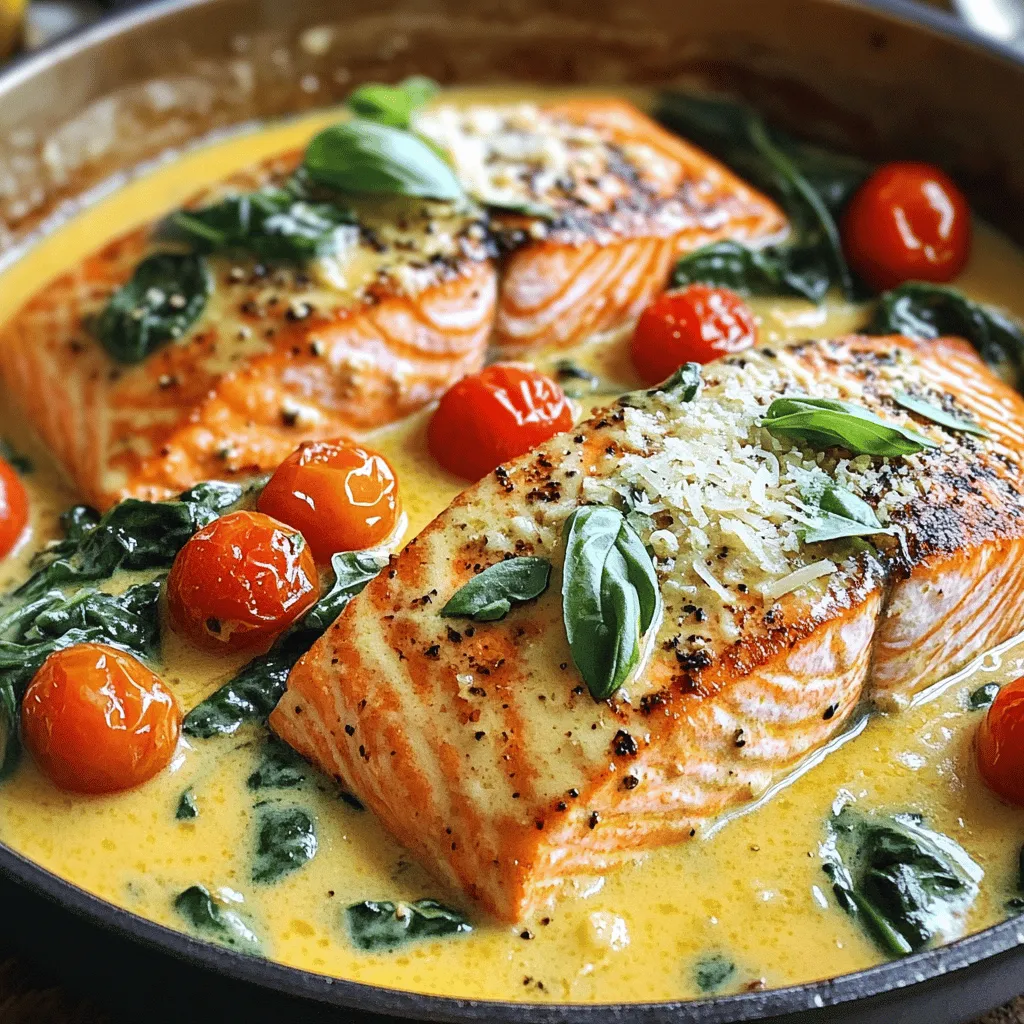
To make a delicious creamy Tuscan salmon, you need a few key ingredients. Each part adds flavor and richness to the dish. Here’s what you’ll need: - Salmon fillets: Four pieces will serve four people well. - Olive oil: Use two tablespoons to cook the salmon. - Seasonings: Salt and pepper are must-haves for taste. - Fresh vegetables: Include three minced cloves of garlic, one cup of halved cherry tomatoes, and one cup of fresh spinach. - Dairy components: You need half a cup of heavy cream and half a cup of grated Parmesan cheese. - Optional garnishes: Fresh basil adds a nice touch if you want to impress. These ingredients come together to create a rich and flavorful dish that’s sure to please anyone at your table. 1. Initial cooking of salmon Start by heating 2 tablespoons of olive oil in a large skillet over medium heat. Season 4 salmon fillets with salt and pepper on both sides. Once the oil is hot, place the salmon skin-side down in the skillet. Cook for about 4-5 minutes until golden. Flip the fillets and cook the other side for 4 more minutes until cooked through. Remove the salmon and set it aside on a plate. 2. Sautéing garlic and vegetables In the same skillet, add 3 cloves of minced garlic. Sauté for about 30 seconds until it smells good. Then, add 1 cup of halved cherry tomatoes. Cook for 2-3 minutes until they start to soften. Next, stir in 1 cup of fresh spinach and cook for 1-2 minutes until it wilts. 3. Creating the creamy sauce Lower the heat and pour in ½ cup of heavy cream. Stir well to mix. Then add ½ cup of grated Parmesan cheese and 1 teaspoon of Italian seasoning. Mix until the cheese melts and the sauce becomes creamy. Squeeze the juice of ½ lemon into the sauce for a bright flavor. 4. Combining salmon with sauce Return the salmon fillets to the skillet. Spoon the creamy sauce over the salmon. Cook for another minute to warm the salmon back up. Serve hot, and if you like, add fresh basil on top for a nice touch. Choosing the right salmon Pick fresh salmon fillets. Look for bright color and firm texture. Wild-caught salmon offers great flavor. Farmed salmon is also good but can be fattier. Cooking times and doneness Cook salmon for about 4-5 minutes on each side. It should be golden brown. The inside should be opaque and flake easily with a fork. Use a thermometer for best results. Aim for 145°F for perfect doneness. Seasoning tips Simple is best with salmon. Use salt and pepper to enhance its natural taste. You can also add lemon zest for freshness. Italian seasoning adds a nice herbal touch. Variations in cream and cheese Heavy cream gives a rich taste. You can use half-and-half for a lighter option. Cream cheese can also be added for extra creaminess. Parmesan cheese adds a nutty flavor. Adding extra flavors Try adding capers or olives for a briny kick. Fresh herbs like dill or parsley will brighten the dish. A splash of white wine can add depth to the sauce. Adjusting seasoning Taste your sauce and adjust as needed. If it's too rich, add a pinch of salt or more lemon juice. This brings balance to the flavors. Always remember, a little goes a long way! {{image_2}} Healthier alternatives can make this dish even better. You can swap heavy cream for Greek yogurt. This lowers fat and adds protein. For a non-dairy option, use coconut cream. It adds a nice hint of sweetness. Pro variations are fun to try. Consider using salmon with skin for extra flavor. You can also add capers for a salty kick. They pair well with the creamy sauce. Seasonal ingredient swaps keep the dish fresh. In the spring, use asparagus instead of spinach. In the summer, zucchini can add crunch. In the fall, try pumpkin puree for a creamy change. During winter, kale can replace spinach for added heartiness. Pairing with sides can enhance your meal. Serve creamy Tuscan salmon with rice or pasta. Both soak up the sauce well. A side salad with lemon dressing adds brightness. Plating tips make this dish look fancy. Place the salmon in the center of the plate. Spoon the creamy sauce around it. Add a few cherry tomatoes for color. A sprinkle of fresh basil on top looks great. Wine pairings can elevate your dining experience. A crisp white wine like Sauvignon Blanc works well. It balances the creaminess. If you prefer red, go for Pinot Noir. Its light body complements the dish without overpowering it. To store creamy Tuscan salmon, place it in an airtight container. This keeps the dish fresh and tasty. The salmon can last in the fridge for 2-3 days. Remember to cool it down to room temperature first. This helps avoid moisture buildup that can spoil the dish. You can freeze creamy Tuscan salmon if you have leftovers. First, let it cool completely. Then, wrap it tightly in plastic wrap or aluminum foil. Place it in a freezer-safe bag or container. This way, it will stay fresh for about 2-3 months. When you are ready to eat, thaw the salmon in the fridge overnight. For reheating, place it in a skillet over low heat. You can also use the microwave. Just be careful not to overcook it, as this can dry out the salmon. If you need a substitute, use half-and-half or whole milk mixed with butter. This makes a creamy texture. You can also try coconut milk for a dairy-free option. Cream cheese or Greek yogurt can work too, but adjust the amount for taste. Yes, you can use frozen salmon fillets. Just make sure to thaw them in the fridge overnight. If you’re short on time, submerge them in cold water for about an hour. Cook them as you would fresh salmon. To check if salmon is cooked, look for a light pink color and flakes easily with a fork. It should reach an internal temperature of 145°F. Use a meat thermometer for best results. You can prep some parts in advance. Cook the sauce and store it in the fridge. Keep the salmon uncooked until you’re ready to eat. This keeps the salmon fresh and tasty. Pair creamy Tuscan salmon with pasta, rice, or crusty bread. A fresh salad or steamed veggies also complements the dish well. For a special touch, serve it with a glass of white wine. This post showed you how to make creamy Tuscan salmon. We covered the key ingredients, step-by-step instructions, and helpful tips. You learned how to perfect the salmon and enhance the sauce. We also explored variations and storage tips to keep your dish fresh. Remember, practice makes perfect. Enjoy this meal with your favorite sides and share it with friends. It’s a delightful dish that’s worth trying again and again.
Creamy Tuscan Salmon Rich and Flavorful Dish
If you’re craving a meal that impresses, you’ll love this Creamy Tuscan Salmon. This dish blends rich flavors, fresh veggies, and tender salmon into a
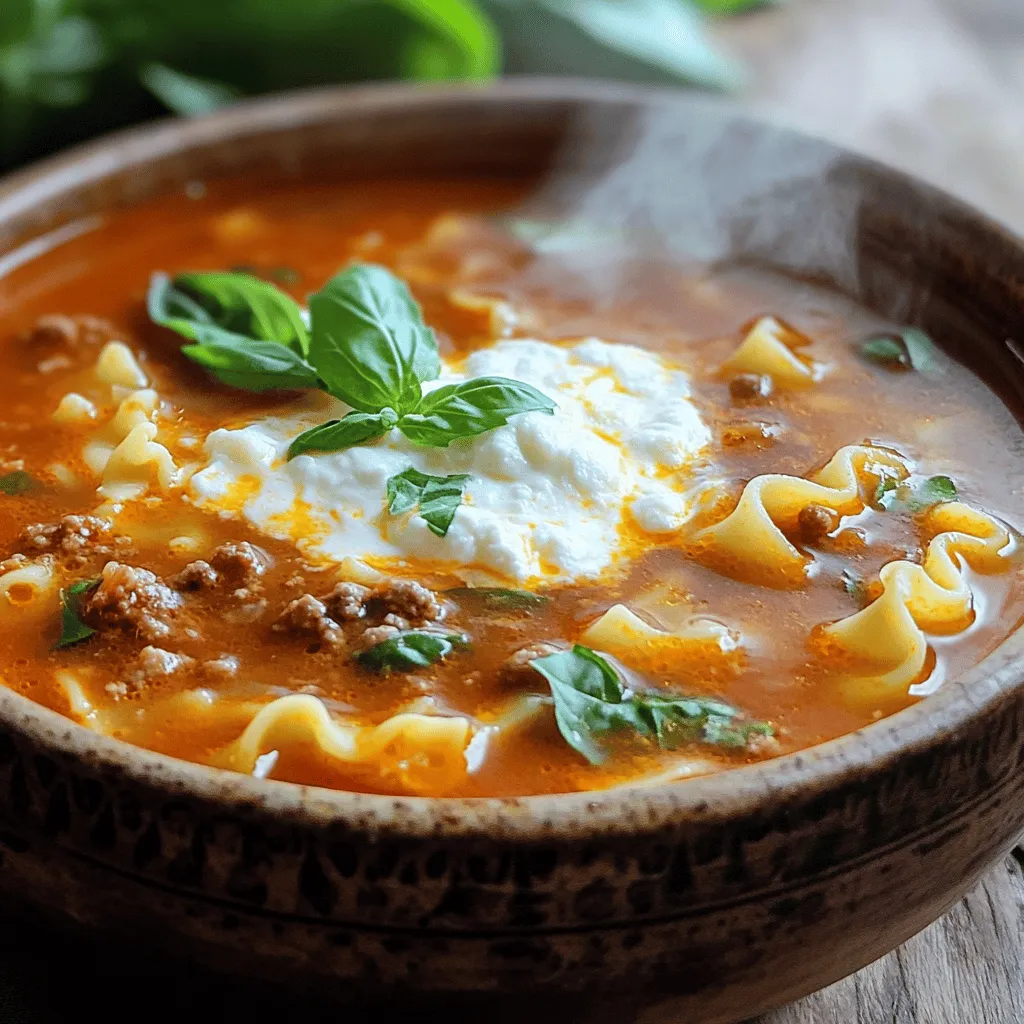
- 1 lb ground beef or Italian sausage - 1 medium onion, diced - 2 garlic cloves, minced - 1 can (28 oz) crushed tomatoes - 4 cups beef or vegetable broth - 2 cups uncooked pasta (like lasagna noodles broken into pieces or fusilli) - 1 teaspoon dried oregano - 1 teaspoon dried basil - 1/2 teaspoon red pepper flakes (optional) - Salt and pepper to taste - 1 cup ricotta cheese - 1 cup shredded mozzarella cheese - 1/2 cup grated Parmesan cheese - Fresh basil leaves for garnish When I make cozy lasagna soup, I gather these simple ingredients. First, I choose my meat. Ground beef or Italian sausage adds great flavor. Next, I dice one medium onion and mince two garlic cloves. These veggies give the soup a nice base. For the liquid, I use one can of crushed tomatoes and four cups of broth. Beef or vegetable broth works well. Then, I pick my pasta. I either break lasagna noodles or use fusilli. Both options cook well in the soup. To flavor the dish, I add dried oregano, dried basil, and red pepper flakes. Salt and pepper are also key to taste. For the creamy finish, I grab ricotta, mozzarella, and Parmesan cheese. Finally, fresh basil leaves make a lovely garnish. This list makes a hearty, flavorful soup that warms my heart. Each ingredient plays a role in creating that cozy feel. 1. Browning the meat In a large pot, I start by browning 1 pound of ground beef or Italian sausage. I cook it over medium heat until it's fully browned. This takes about 5-7 minutes. I drain any excess fat afterward. 2. Sautéing the onions and garlic Next, I add 1 medium diced onion to the pot. I sauté it for about 3-4 minutes until it's soft. Then, I toss in 2 minced garlic cloves and cook for another minute. This step fills the kitchen with a delicious aroma. 3. Combining liquids and seasonings After that, I pour in 1 can of crushed tomatoes and 4 cups of beef or vegetable broth. I stir to mix everything well. Then, I add 1 teaspoon of dried oregano, 1 teaspoon of dried basil, and 1/2 teaspoon of red pepper flakes if I want some heat. I season with salt and pepper to taste. 4. Adding pasta and cooking time I bring the mixture to a boil. Then, I reduce the heat and add 2 cups of uncooked pasta, either broken lasagna noodles or fusilli. I let it simmer for about 15 minutes, stirring occasionally. I want the pasta to be al dente, so I keep an eye on it. 1. Preparing the ricotta cheese blend While the soup simmers, I mix together 1 cup of ricotta cheese, half of 1 cup of shredded mozzarella, and 1/2 cup of grated Parmesan cheese in a small bowl. I add a pinch of salt and pepper to enhance the flavor. 2. Swirling the cheese into the soup Once the pasta is cooked, I remove the pot from heat. I ladle the soup into bowls and swirl in a generous spoonful of the ricotta mixture. This gives the soup a creamy texture. 1. Ladling into bowls and garnishing I serve the soup by ladling it into bowls. I top each bowl with the remaining mozzarella cheese. I let it melt slightly from the heat of the soup. 2. Optional toppings Finally, I garnish with fresh basil leaves. This adds color and freshness to my cozy lasagna soup. Choosing the right meat and cheese combinations: I find that ground beef or Italian sausage works best. The sausage adds a nice spice. For cheese, a blend of ricotta, mozzarella, and Parmesan gives great flavor and creaminess. Tips for cooking pasta in the soup: Use uncooked pasta like broken lasagna noodles or fusilli. Add the pasta during the last 15 minutes of cooking. This keeps the pasta firm and prevents it from getting mushy. Stir often to make sure it cooks evenly. Adjusting spice levels: You can control the heat by adding red pepper flakes. Start with half a teaspoon. If you want more spice, add more to taste. Adding fresh herbs: Fresh basil leaves are a must for garnish. They brighten the dish and add freshness. You can also add some chopped parsley for more flavor. Overcooking pasta: Be careful not to let the pasta cook too long. It should be al dente, as it will continue to soften in the soup. Skipping the cheese garnish: Always top your soup with the cheese mixture. It melts into the soup and adds a creamy, rich taste. Don't skip this step. It's what makes the soup feel cozy and special. {{image_2}} You can switch up the meat in this cozy lasagna soup. Try using ground turkey or chicken instead of beef or sausage. This change cuts fat and adds a lighter taste. For a veggie version, mushrooms and spinach work great. Mushrooms add a rich, meaty flavor. Spinach brings a nice pop of color and nutrition. You can mix these options to make a dish that suits your taste. If you're gluten-free, swap regular pasta for gluten-free options. Many brands offer pasta that cooks well and tastes great in soup. For those who need dairy-free options, use dairy-free cheese. This choice allows everyone to enjoy the dish without worry. There are many tasty alternatives to ricotta and mozzarella available in stores today. Adding different herbs and spices can change the soup's flavor. Try rosemary or thyme for a twist. You can also increase the heat with more red pepper flakes or add chili powder. Consider incorporating extra vegetables for added nutrition. Carrots, zucchini, or bell peppers can enhance flavor and make the soup heartier. These small changes keep the dish fresh and exciting every time you make it. To store leftovers, let the soup cool down first. Then, place it in an airtight container. This keeps it fresh and safe. You can store it in the fridge for up to three days. If you want to keep it longer, you can freeze it. To freeze the soup, let it cool completely. Then, pour it into freezer-safe bags or containers. Make sure to leave some space for expansion. Label the bags with the date. The soup can last up to three months in the freezer. When you want to eat it, take it out and thaw it overnight in the fridge. To reheat the soup, pour it into a pot over medium heat. Stir it often to avoid burning. If the soup looks thick, add a splash of broth or water. You can also use the microwave. Heat it in short bursts, stirring in between. This keeps the texture nice and smooth. Enjoy your cozy lasagna soup just like when you first made it! You can store lasagna soup in the fridge for up to three days. Make sure to keep it in an airtight container. This helps keep the soup fresh and tasty. Before you eat it, check for any off smells or changes in texture. Yes, this lasagna soup freezes well. Let it cool completely before placing it in a freezer-safe container. Make sure to leave some space for it to expand as it freezes. It can last up to three months in the freezer. When you’re ready to eat, thaw it in the fridge overnight. Reheat it on the stove until it's hot. If you want a dairy-free option, you can use tofu blended with a bit of lemon juice. For a low-fat choice, consider cottage cheese. Both work well in this soup, giving it a nice, creamy texture without the added fat. Yes, you can make this soup vegetarian. Simply swap the ground beef or sausage for lentils or mushrooms. Use vegetable broth instead of beef broth. This way, you keep all the great flavors while making it meat-free. To add some heat, stir in more red pepper flakes. You can also add diced jalapeños or hot sauce. Start with a small amount, then taste and adjust to your liking. This way, you can find the perfect spice level for your taste buds. This blog post shared how to make a delicious lasagna soup. We covered key ingredients like meats, vegetables, and cheeses. I provided step-by-step cooking instructions and tips to enhance flavor. We looked at ingredient swaps for dietary needs and storage info for leftovers. As you prepare this dish, don't forget to have fun and make it yours. Enjoy your tasty and cozy lasagna soup!
Cozy Lasagna Soup Tasty and Simple Comfort Dish
Cold nights call for warm meals, and nothing is cozier than Lasagna Soup. This dish is a mix of savory flavors and creamy cheese that
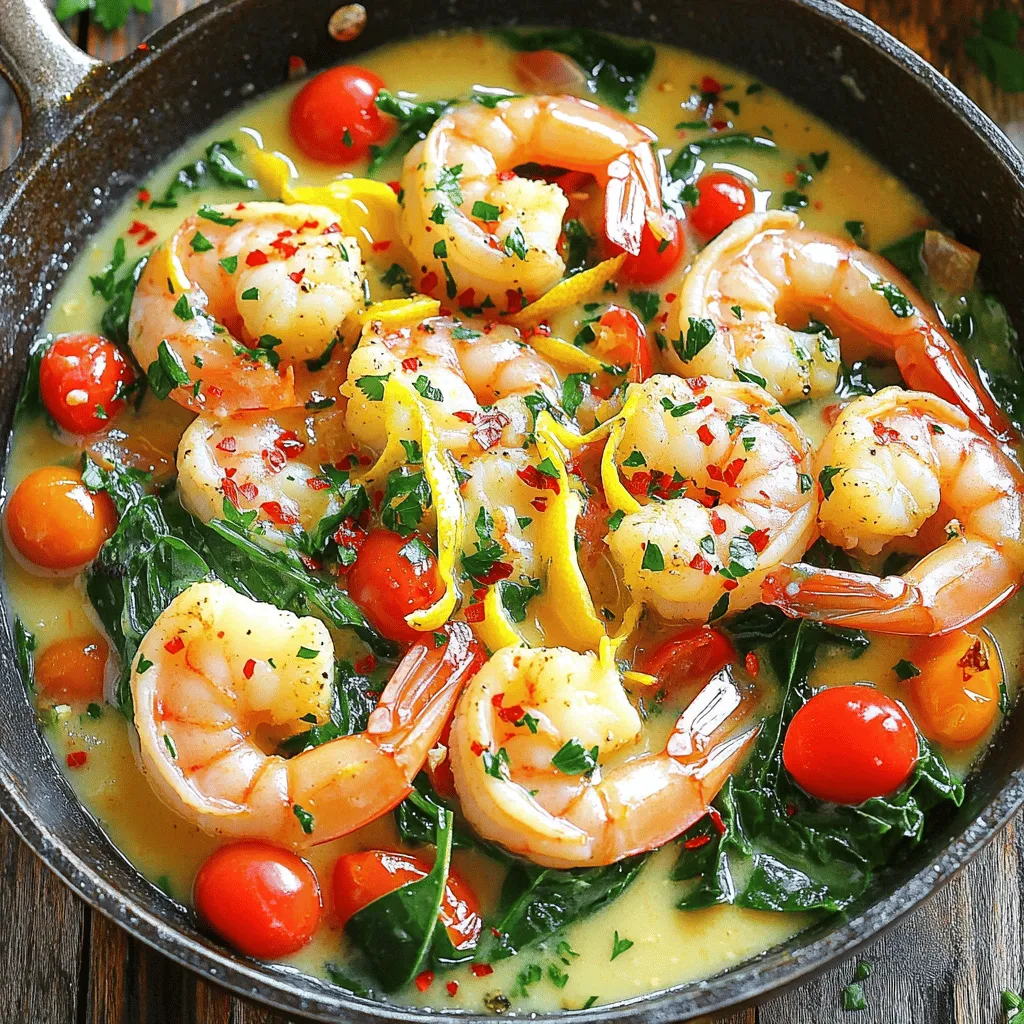
- 1 pound large shrimp, peeled and deveined - 3 tablespoons unsalted butter - 4 cloves garlic, minced - Zest of 1 lemon - 2 tablespoons lemon juice - 1 teaspoon red pepper flakes (adjust to taste) - Salt and pepper to taste - 2 tablespoons fresh parsley, chopped - 1 cup cherry tomatoes, halved - 1 cup baby spinach Using fresh ingredients makes a big difference in flavor. Fresh shrimp taste sweeter and more tender. Fresh garlic gives a strong aroma and taste. Fresh parsley adds a bright touch. When you use fresh, your dish shines. You can really taste the difference in each bite. Always pick ripe tomatoes and vibrant spinach for the best results. Freshness is key for a tasty meal. You can easily swap ingredients to fit your needs. If you are allergic to shellfish, try chicken or tofu instead. Use olive oil instead of butter for a dairy-free option. For a spicy kick, add more red pepper flakes or a splash of hot sauce. If you cannot have gluten, serve the dish over rice instead of bread. This makes the recipe more accessible while keeping it delicious. To start, grab a large skillet. Place it over medium heat. Add 3 tablespoons of unsalted butter. Let the butter melt slowly. You want it to coat the bottom of the skillet. Once melted, it's time to add the garlic. Use 4 cloves of minced garlic. Sauté the garlic for about 1 minute. You want it fragrant but not burnt. If it burns, it can taste bitter. Now, it's time for the shrimp. Take 1 pound of large shrimp, peeled and deveined. Add the shrimp to the skillet. Sprinkle some salt and pepper on top. Cook the shrimp for about 2-3 minutes on one side. Watch for them to turn pink. This shows they are cooking well. After 2-3 minutes, flip the shrimp over. Next, pour in 2 tablespoons of fresh lemon juice. The zest of 1 lemon goes in too. This adds a bright flavor. Toss in 1 cup of halved cherry tomatoes. Add 1 cup of baby spinach as well. Cook for another 2-3 minutes. The shrimp should be fully cooked, and the spinach should wilt. Finally, take the skillet off the heat. Sprinkle 2 tablespoons of chopped parsley on top. This adds a lovely touch before serving. To keep shrimp tender, watch them closely. Cook shrimp for only 2-3 minutes per side. When they turn pink, they are done. Overcooking makes shrimp rubbery. Remove them from heat as soon as they are opaque. Adding fresh herbs boosts flavor. I love using parsley, but you can try basil or cilantro. Red pepper flakes give a nice kick. Adjust the amount based on your taste. Zesting the lemon adds a bright flavor. Never skip this step! Presentation matters in cooking. Serve the shrimp skillet in the pan for a casual look. Or, transfer it to a nice platter for guests. Garnish with lemon wedges and parsley for color. Pair it with crusty bread or rice to soak up the sauce. This makes each bite even better! {{image_2}} You can easily swap some ingredients in this dish. Here are a few ideas: - Use olive oil instead of butter for a lighter taste. - Try using lime juice instead of lemon for a fun twist. - Substitute shrimp with scallops or chicken for a different protein. - Replace cherry tomatoes with bell peppers or zucchini for more veggies. You can cook this dish in several ways. Here are some methods: - Grilling: Skewer the shrimp and grill them for a smoky flavor. - Baking: Spread everything on a baking sheet and bake at 400°F for about 10-12 minutes. - Stovetop: Follow the original method for a quick and easy meal. - Instant Pot: Cook on high for 1 minute, then quick release for tender results. Feel free to use seasonal ingredients to enhance your dish. Here are some suggestions: - In spring, add asparagus or peas for a fresh crunch. - In summer, use fresh corn or diced cucumbers for a refreshing twist. - In fall, consider butternut squash or mushrooms for a warm flavor. - In winter, try adding kale or root vegetables for heartiness. These variations keep the dish exciting. Enjoy your cooking adventure! To keep your Lemon Garlic Butter Shrimp fresh, store it in an airtight container. Make sure it cools to room temperature first. Place it in the fridge if you plan to eat it within three days. For best taste, try to eat it fresh. When reheating, use a skillet on low heat. Add a splash of water or broth to keep it moist. Stir gently to avoid overcooking the shrimp. You can also use a microwave, but cover it to retain moisture. Heat for 30 seconds to 1 minute. If you have leftovers, you can freeze them. Place the shrimp in a freezer-safe bag. Squeeze out as much air as possible. It will keep well for up to three months. To thaw, leave it in the fridge overnight. Reheat it gently to enjoy later. You can serve Lemon Garlic Butter Shrimp with many tasty sides. Here are some ideas: - Crusty bread: It soaks up the buttery sauce well. - Cooked rice: It makes a filling meal. Use white, brown, or even cauliflower rice. - Pasta: Toss the shrimp with cooked pasta for a hearty dish. - Salad: A fresh green salad adds crunch and color. These sides balance the rich flavors of the shrimp. You can mix and match to find your favorite combo. Shrimp cook fast. Look for these signs to know when they are done: - Color: Raw shrimp is gray. Cooked shrimp turns pink. - Shape: Shrimp curl into a C-shape when cooked. If they form an O-shape, they may be overcooked. - Texture: Cooked shrimp feels firm, not soft or mushy. Cooking shrimp takes about 4-6 minutes total. Keep an eye on them to avoid overcooking. Yes, you can use frozen shrimp. Here’s how: - Thaw: Place the shrimp in the fridge overnight or run them under cold water for about 15 minutes. - Cook: Use the same method as fresh shrimp. Just remember, they might need an extra minute or two to cook. Frozen shrimp are a great option and save time. They still taste good and work well in this dish. This blog covers fresh ingredients for your shrimp dish and step-by-step cooking tips. You learned how fresh items enhance taste and how to cook shrimp just right. I shared ideas for swaps and alternative cooking methods. Proper storage and reheating methods help keep leftovers tasty. Use these tips to enjoy delicious meals while accommodating dietary needs. Now, you can impress friends with your skills and delicious shrimp dishes. Enjoy cooking!
Lemon Garlic Butter Shrimp Skillet Quick and Easy Meal
If you’re craving a dish that’s quick, tasty, and easy to make, look no further! My Lemon Garlic Butter Shrimp Skillet is your new go-to