Dinner

- 2 lbs boneless, skinless chicken thighs - 4 cups Hatch green chiles, roasted and chopped - 1 onion, diced - 4 cloves garlic, minced These main ingredients create the base of your dish. The chicken thighs are juicy and tender. The Hatch green chiles add a smoky flavor and a bit of heat. Diced onion and minced garlic bring depth and aroma to the pot. - 2 cups vegetable broth - 1 tablespoon ground cumin - 1 tablespoon dried oregano - 1 teaspoon smoked paprika - Salt and pepper to taste This mix of flavors enhances the dish. The vegetable broth keeps everything moist and adds richness. Cumin and oregano provide warmth and earthiness. Smoked paprika gives a unique twist. Adjust salt and pepper to your taste for the perfect balance. - 2 tablespoons lime juice - Fresh cilantro, chopped (for garnish) - Tortillas, for serving A splash of lime juice brightens the flavors. Fresh cilantro adds a burst of freshness to each bite. Serve with warm tortillas. You can use them to scoop or build your own tacos. For the full recipe, check out Slow Cooker Hatch Green Chile Verde. Enjoy cooking! - Place chicken thighs in the slow cooker. - Add onion and garlic on top. First, I start by placing the chicken thighs in the slow cooker. I like using boneless and skinless thighs. They cook well and stay moist. Next, I add the diced onion and minced garlic. This combination adds a strong base flavor to the dish. - Incorporate roasted Hatch green chiles. - Mix broth and spices, then pour over ingredients. Now, it’s time for the star of the show: the roasted Hatch green chiles. I use about four cups. They bring a unique flavor and mild heat. I pour them over the chicken and onions. Then, I mix the vegetable broth with ground cumin, dried oregano, and smoked paprika in a bowl. This mix gives a warm, earthy taste. After stirring, I pour the broth mixture over everything in the slow cooker. - Cover and set slow cooker (low for 6-8 hours or high for 3-4 hours). - Shred chicken and return to cooker, stir in lime juice. I cover the slow cooker and set it to cook. I choose low heat for 6 to 8 hours or high heat for 3 to 4 hours. I love the low setting for a richer flavor. When the chicken is tender, I take it out and shred it with two forks. I return the shredded chicken to the slow cooker and stir in lime juice for a fresh kick. This step brightens the flavors and makes the dish pop. For the full recipe, check [Full Recipe]. Choosing the best Hatch green chiles is key. Look for chiles that are firm and bright. They should smell fresh and earthy. If you can, roast them for a smoky flavor. This step enhances the dish's depth. Adjusting seasoning to taste can make a big difference. I often taste the dish near the end of cooking. If it needs more heat, add a pinch of chili powder. For added brightness, squeeze in lime juice. Cooking on low allows flavors to meld. Your dish will taste richer with longer cooking times. It’s perfect for busy days when you want a hearty meal ready when you are. Cooking on high is faster but may not blend flavors as well. If you’re short on time, set the slow cooker to high for a quicker meal. To ensure tender chicken, check the internal temperature. It should reach 165°F. After cooking, shred the chicken back into the sauce. This helps the meat soak up all the flavors. Presentation matters! Serve the Chile Verde in deep bowls for a cozy feel. Garnish with fresh cilantro for a pop of color. Warm tortillas make the perfect side. Guests can build their own tacos or use tortillas to scoop the verde. Other great sides include rice or a fresh salad. They balance the richness of the dish and add texture. For the full recipe, be sure to check the earlier section! {{image_2}} You can switch proteins in this dish. Beef or pork works well. For a vegetarian option, try beans or tofu. Both will soak up all the delicious flavors. Just add the same spices and chiles, and you’ll have a great meal. Want to kick up the flavor? Add more spices like chili powder. This will give your dish a nice heat. You can also mix in extra veggies like bell peppers. They add sweetness and color to your meal. Get creative with how you serve this dish! You can turn it into tacos, burritos, or nachos. Just pile the Chile Verde onto your favorite base. For toppings, consider adding avocado or sour cream. These will make each bite extra tasty. For the complete guide, check out the Full Recipe. To store leftovers, let them cool first. Place the Slow Cooker Hatch Green Chile Verde in an airtight container. This keeps it fresh. The dish lasts about 3 to 4 days in the fridge. Always check for any off smells before eating. For longer storage, freeze the chile verde. Use a freezer-safe container or bag. Remove as much air as possible before sealing. It can last up to 3 months in the freezer. To thaw, place it in the fridge overnight. You can also use the microwave for quick thawing. When reheating, you want to keep the flavor and texture. The slow cooker works best for this. Set it on low for about 1 to 2 hours. You can also use a stovetop. Heat it gently over low heat, stirring often. This way, you’ll enjoy every bite just like the first time. Hatch Green Chile Verde is a rich and spicy stew. It comes from Hatch, New Mexico, known for its unique green chiles. The dish typically features tender chicken simmered with roasted chiles, garlic, onion, and spices. This blend creates a warm, earthy flavor that fills your kitchen with an amazing aroma. The dish is perfect for tacos, burritos, or just enjoyed in a bowl. Yes, you can use other chiles if you can't find Hatch chiles. Some good options are poblano, Anaheim, or jalapeño. Poblano chiles offer a mild flavor, while jalapeños bring more heat. Be sure to adjust the amount based on your heat preference. Each type of chili brings a unique taste and depth to the dish. You’ll know the chicken is done when it is tender and easy to shred. After cooking, check the chicken with a fork. If it pulls apart easily, it’s ready. You can also use a meat thermometer; the chicken should reach an internal temperature of 165°F. Enjoy the tender chicken in your Hatch Green Chile Verde for the best flavor. This blog post covered all the key steps for making Slow Cooker Hatch Green Chile Verde. You learned about the main ingredients and how to prepare them. We discussed cooking times and tips to achieve great flavor. In the end, enjoy the dish your way, whether in tacos or burritos. Get creative with toppings and ingredients! With these tips, you’ll make this meal a hit every time.
Slow Cooker Hatch Green Chile Verde Flavorful Delight
If you’re looking for a hearty meal that bursts with flavor, look no further! Slow Cooker Hatch Green Chile Verde is a simple dish that
To create a great chili, choose the right ingredients. Here’s what you need: - 1 lb ground beef (or 1 lb plant-based meat for a vegetarian option) - 1 medium onion, chopped - 2 cloves garlic, minced - 1 can (15 oz) black beans, drained and rinsed - 1 can (15 oz) kidney beans, drained and rinsed - 1 can (28 oz) crushed tomatoes - 2 tablespoons chili powder - 1 tablespoon cumin - 1 teaspoon smoked paprika - 1 tablespoon olive oil - 1 bell pepper (any color), chopped - 1 jalapeño pepper, diced (remove seeds for less heat) - Salt and pepper to taste - Optional toppings: shredded cheese, sour cream, sliced green onions, cilantro These key ingredients form the base of your chili. Ground beef adds richness, while plant-based meat offers a lighter option. Onions and garlic give a strong flavor base. The black and kidney beans provide texture and heartiness. Spices are crucial. Chili powder brings heat and depth. Cumin adds warmth, and smoked paprika offers a subtle smokiness. Bell peppers and jalapeño bring freshness and a kick. Each ingredient plays a role. They come together to create a balanced and flavorful dish. Don’t forget the toppings! They let you customize each bowl, making your chili even better. {{ingredient_image_1}} 1. Sauté onions and garlic for flavor Heat olive oil in a large pot over medium heat. Add chopped onions and minced garlic. Sauté until they are soft and fragrant, about 3-4 minutes. This step builds a great base for your chili. 2. Brown the meat and add vegetables Increase the heat to medium-high. Add ground beef or plant-based meat. Cook until browned, breaking it into smaller pieces, about 5-7 minutes. Next, stir in the chopped bell pepper and diced jalapeño. Cook for another 3-4 minutes until the peppers soften. 3. Incorporate spices and simmer Sprinkle in chili powder, cumin, and smoked paprika. Mix well to coat the meat and vegetables. Cook for 1-2 minutes to enhance the flavors. Now, add crushed tomatoes and drained black and kidney beans. Stir to combine everything. Season with salt and pepper. Bring to a simmer, then reduce heat to low. Cover and let it cook for at least 30 minutes, stirring occasionally. The longer it simmers, the better the flavors meld—up to 2 hours if you can wait! Tasting is key. Adjust seasonings before serving. Enjoy your chili hot and offer toppings on the side for a personal touch! Letting your chili simmer longer is key. It enhances the taste. When you simmer, flavors blend and deepen. I often let mine cook for up to two hours. If you’re in a rush, 30 minutes works, but more time makes a big difference. Balancing flavors with seasonings is a must. You want a mix of spicy, sweet, and savory. Use chili powder, cumin, and smoked paprika to achieve this. Start with the amounts in the recipe, then taste and adjust. If it lacks heat, add more chili powder or jalapeño. Adjust spice levels to fit your taste. Not everyone likes it hot! If you want less heat, remove jalapeño seeds. You can also skip certain spices. Taste your chili as it cooks. This helps you find the perfect balance for your palate. Pro Tips Choose Your Meat Wisely: For a richer flavor, opt for ground beef with a higher fat content, or use a well-seasoned plant-based meat for a vegetarian alternative. Layer Your Spices: Add spices like chili powder and cumin at different stages of cooking to build a deeper flavor profile. Let It Simmer: The longer you let the chili simmer, the better the flavors meld. If you can, let it simmer for at least an hour or even longer for optimal taste. Customize Your Toppings: Provide a variety of toppings like cheese, sour cream, and fresh herbs to allow guests to personalize their chili experience. {{image_2}} You can make chili your own with easy twists. Here are some fun ideas: - Vegetarian and vegan adaptations: Use plant-based meat instead of ground beef. This keeps it hearty. You can also add more beans or lentils for extra protein. They pair well with the spices. - Different types of beans and meats: Try using pinto beans or chickpeas for variety. If you like meat, add sausage or turkey for a new taste. Each bean brings its own flavor to the mix. - Adding unique ingredients for extra flavor: Get creative! Add corn for sweetness or diced tomatoes for brightness. You can even toss in cocoa powder or coffee for depth. These small changes can make your chili stand out. Have fun experimenting! Each variation can lead to a new favorite chili recipe. To keep your chili fresh, store it in an airtight container. It will stay good in the fridge for about 3 to 4 days. Make sure it cools down before you put it in the fridge. This helps keep the right texture. If you want to save chili for longer, freezing is the best option. Use freezer-safe containers or bags. Leave some space at the top to allow for expansion. You can freeze chili for up to 3 months. Just remember to label the container with the date. When you’re ready to eat your chili, you can reheat it in several ways. - On the stove: Pour chili into a pot. Heat it over low to medium heat. Stir often to avoid sticking. - In the microwave: Place chili in a microwave-safe dish. Cover it loosely with a lid or plastic wrap. Heat in short bursts, stirring in between. - In the oven: If you want to bake it, put chili in an oven-safe dish. Cover it with foil and heat at 350°F for about 20 minutes. Whichever method you choose, make sure to check the heat. Your chili should reach at least 165°F to be safe to eat. Enjoy the rich flavors just like when you first made it! What makes chili award-winning? Chili becomes award-winning with bold flavors, great texture, and perfect seasoning. Use quality ingredients, like fresh spices and good meat or meat alternatives. A well-balanced mix of beans and vegetables also adds depth. The key is to let it simmer long enough to blend the flavors. Can I make chili in a slow cooker? Yes, you can make chili in a slow cooker. Start by browning the meat and sautéing the onions and garlic on the stove. Then, add all ingredients to the slow cooker. Cook on low for 6-8 hours or on high for 3-4 hours. This method allows the flavors to develop beautifully. How can I thicken my chili? To thicken your chili, try these methods: - Add a tablespoon of cornmeal or masa harina. - Blend some of the beans into a paste and stir back in. - Let it simmer uncovered for a while to reduce the liquid. Each method adds texture and depth to your chili! In this guide, we explored how to make award-winning chili, focusing on key ingredients, preparation steps, and essential tips. We discussed how to balance flavors and create variations to suit your taste. Lastly, I shared storage methods to keep your chili fresh. Remember, the secret to great chili lies in the simmering and the perfect mix of spices. Get creative and enjoy making your own delicious chili!
Award-Winning Chili Flavorful and Easy Recipe Guide
Looking for the perfect chili recipe that impresses every time? You’re in the right place. My guide to award-winning chili will walk you through easy
To make your chicken avocado wraps, gather these fresh and tasty ingredients: - 2 large chicken breasts, grilled and sliced - 1 ripe avocado, sliced - 1 cup mixed greens (spinach, arugula, and romaine) - 1 small cucumber, thinly sliced - 1/2 red bell pepper, julienned - 1/4 cup red onion, thinly sliced - 2 tablespoons Greek yogurt - 1 tablespoon lime juice - 1 tablespoon olive oil - Salt and pepper to taste - 4 whole wheat tortillas These ingredients come together to create a vibrant meal. The grilled chicken adds protein, while the avocado brings healthy fats. Mixed greens offer crunch and freshness. You get a pop of color and sweetness from the bell pepper and onion. Greek yogurt serves as a creamy dressing, tying all the flavors together. Whole wheat tortillas keep everything wrapped up nicely. Each bite is fresh, flavorful, and satisfying. {{ingredient_image_1}} To start, you need to make the dressing. Grab a mixing bowl. Add 2 tablespoons of Greek yogurt, 1 tablespoon of lime juice, and 1 tablespoon of olive oil. Sprinkle in some salt and pepper to taste. Mix it well until it is creamy and smooth. This dressing adds great flavor to your wraps. Now, it’s time to build your wrap. Place a whole wheat tortilla flat on a clean surface. Spread a spoonful of your creamy dressing in the center of the tortilla. Next, add a handful of mixed greens on top. Layer in slices of grilled chicken, avocado, cucumber, red bell pepper, and red onion. If you like, drizzle a little more dressing on top of the fillings for extra taste. To fold your wrap, first, tuck in the sides. Then, roll from the bottom up to secure all the fillings. Make sure it’s tight so nothing falls out. Once you finish making all the wraps, slice each one in half diagonally. This makes them easier to eat and looks nice on a plate. Enjoy your fresh chicken avocado wraps! To make a great dressing, start with Greek yogurt. It adds creaminess and tang. Mix it with lime juice and olive oil. This mix gives a fresh taste. Add salt and pepper to balance the flavors. Taste as you mix. Adjust it if needed. You want it to be rich but not too thick. A good dressing ties the whole wrap together. Whole wheat tortillas work best for this wrap. They add a nice nutty flavor. They also hold up well with the fillings. You can use larger tortillas for bigger wraps. If you prefer a lighter option, try corn tortillas. Just ensure they are flexible. Warm them briefly in a pan to make them easier to roll. When you slice your wraps, do it at an angle. This makes them look more appetizing. Use a sharp knife for clean edges. Cutting them in half shows off the colorful layers inside. It also makes them easier to eat. Lay them on a plate with the cut side facing up. This simple trick impresses your guests! Pro Tips Use Fresh Ingredients: Always opt for the freshest avocados and vegetables to enhance the flavor and texture of your wraps. Grill Chicken Perfectly: Marinate the chicken breasts before grilling for added flavor and moisture. Ensure they are cooked through but still juicy. Customize the Fillings: Feel free to mix and match your favorite vegetables or add other proteins like turkey or tofu for variation. Wrap It Right: Make sure to tightly roll your tortillas to prevent the fillings from falling out while eating. {{image_2}} You can customize your chicken avocado wraps with fun extras. Try adding: - Shredded cheese for creaminess - Corn for a sweet crunch - Black beans for protein - Jalapeños for heat - Fresh herbs like cilantro or basil for flavor Each extra adds a unique taste. Mix and match to find your favorite combination. The dressing is key to flavor. If you want to change it up, consider these options: - Use ranch dressing for a tangy taste - Try a spicy chipotle sauce for a kick - Go with a balsamic vinaigrette for a sweet touch - Swap Greek yogurt for hummus for a different texture Experimenting with dressings can elevate your wraps. You can easily adapt this recipe for different diets. For gluten-free wraps, use corn tortillas. For a dairy-free option, replace Greek yogurt with avocado or a dairy-free yogurt. These swaps keep your wraps tasty while meeting dietary needs. Enjoy your meal without worry! After enjoying your chicken avocado wraps, store any leftovers in the fridge. Place them in an airtight container. This keeps them fresh for about 2 days. If you have extra dressing, store it separately to prevent sogginess. When reheating, do it gently. You can use a microwave, but a skillet works better. Heat it on low until warm. This keeps the wrap from getting tough. Avoid overheating, as that can dry out the chicken and make the tortilla hard. For the best taste, eat your wraps soon after you make them. If you prepare them ahead of time, keep the ingredients separate. Assemble your wrap just before eating for the freshest flavor and texture. If you use fresh ingredients, your wraps will always taste their best. Yes, you can make chicken avocado wraps ahead of time. You should prepare the filling and dressing first. Store them in separate containers. When you are ready to eat, assemble the wraps. This keeps the tortillas fresh and prevents sogginess. You can use sour cream or plain yogurt as a substitute for Greek yogurt. If you want a dairy-free option, try using hummus or avocado. Each option adds a unique twist to the wraps. Choose what fits your taste best. To keep the wraps from getting soggy, use fresh tortillas. Spread the dressing only on the parts that will touch the filling. Layer your ingredients carefully and avoid overfilling. Wrapping them tightly helps too, so they stay intact until you eat them. This article covered how to make tasty chicken avocado wraps. We looked at each ingredient and shared step-by-step instructions. I included tips on making the dressing and choosing the best tortillas. You can also explore fun variations and storage tips to keep them fresh. Remember, these wraps are easy to change for your taste or diet. Enjoy creating your own wraps that fit your style!
Chicken Avocado Wraps Fresh and Flavorful Recipe
Are you ready to enjoy a fresh and tasty meal? My Chicken Avocado Wraps recipe is packed with flavor and good-for-you ingredients. This easy-to-make dish
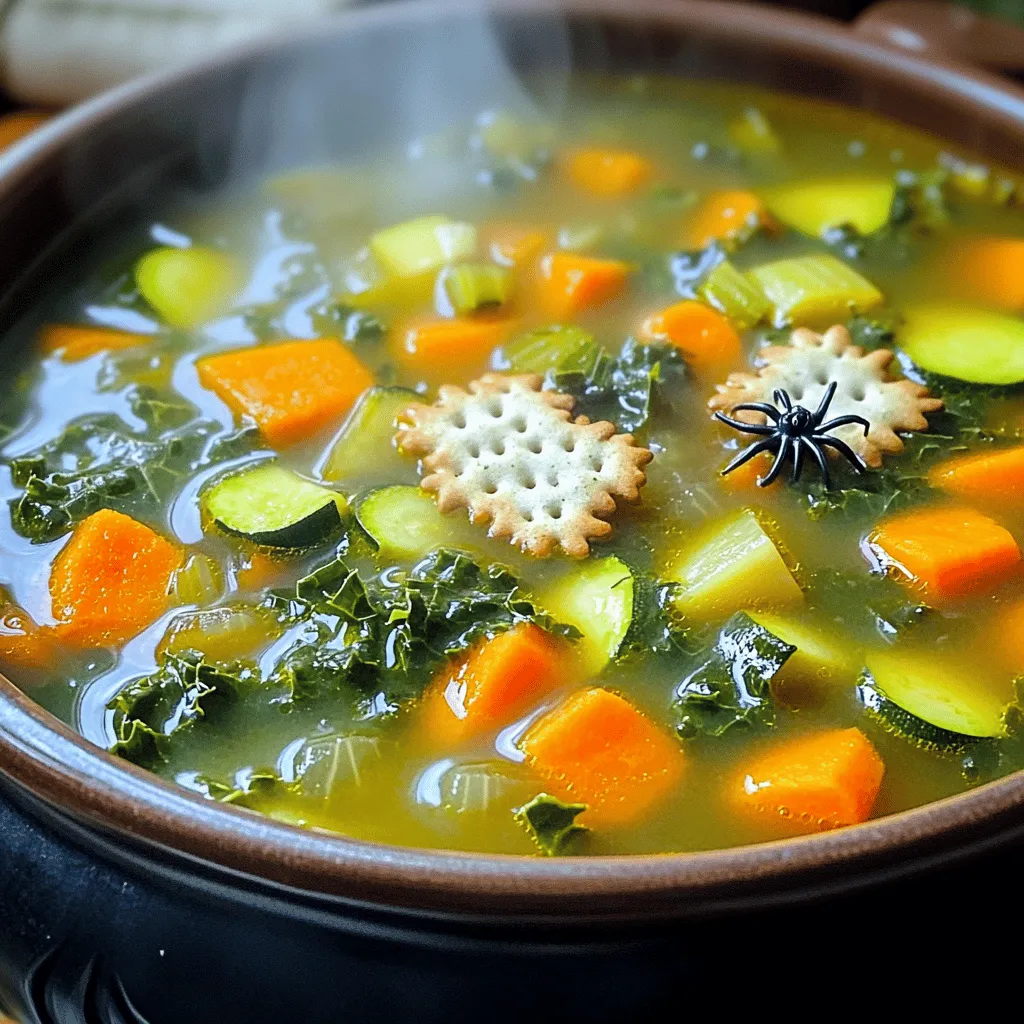
When it comes to Halloween, how you present food matters a lot. I like to use colors and shapes that fit the spooky theme. For instance, you can use orange and black plates. Add fun decorations like plastic spiders or bats. This makes the food look exciting and fun. It sets the mood for the party. Thematic decorations make food more enjoyable. They spark conversations among guests. A simple dish can become a star with the right touch. For example, serving Witch's Cauldron Soup in a dark bowl adds a great effect. You can also sprinkle edible glitter on desserts for a magical look. This little effort can impress everyone at your gathering. Choosing a party theme can guide your food choices. A spooky graveyard theme can inspire dishes shaped like tombstones or ghosts. You could make mini cupcakes with ghost frosting. If you prefer a monster theme, use bright colors and silly faces on snacks. The more creative you are, the more fun your party will be. Remember, the goal is to make food that delights and surprises your guests! To create fun Halloween dishes, I start with some key ingredients. These items help bring spooky vibes to your table. Here’s a list of essential ingredients: - Olive oil - Onion - Garlic - Carrots - Celery - Vegetable broth - Green peas - Zucchini - Kale - Dried thyme - Salt and pepper - Lemon juice - Spider-shaped crackers These ingredients work well together to make delicious meals like Witch's Cauldron Soup. This soup is not only tasty but also gives a fun look to your Halloween feast. When I pick ingredients for Halloween, I look for seasonal items. They taste better and are often cheaper. Here are some tips for choosing the best seasonal ingredients: - Visit local farmers' markets for fresh produce. - Choose pumpkins for decoration and cooking. - Use apples and pears for sweet treats. - Look for root vegetables like carrots and beets. Seasonal ingredients add flavor and charm to your Halloween recipes. Sometimes, you may not have every ingredient. No need to worry! Here are some creative substitutes I often use: - If you lack olive oil, try avocado oil. - Instead of fresh garlic, use garlic powder. - Swap zucchini for yellow squash in soups. - Use spinach instead of kale for a different green. These substitutes can keep your dishes tasty and fun, even if you have to get a bit creative. For more details, check out the Full Recipe for Witch's Cauldron Soup. To impress your guests, focus on colors and shapes. Use bright orange, green, and black foods. Cut veggies into fun shapes like bats or ghosts. Place food on dark plates for contrast. Add props like fake spiders or mini pumpkins. This makes your table look festive and fun. To make Witch's Cauldron Soup, gather these ingredients: - 1 tablespoon olive oil - 1 onion, chopped - 2 cloves garlic, minced - 2 medium carrots, diced - 2 celery stalks, diced - 4 cups vegetable broth - 1 cup green peas (fresh or frozen) - 1 medium zucchini, diced - 1 cup kale, chopped - 1 teaspoon dried thyme - Salt and pepper to taste - 1 tablespoon lemon juice - Spider-shaped crackers for garnish Follow these steps: 1. Heat the olive oil in a large pot over medium heat. Add the onion and garlic. Sauté until the onion turns translucent, about 3-4 minutes. 2. Add the carrots and celery. Stir occasionally for about 5 minutes until they start to soften. 3. Pour in the vegetable broth and bring to a boil. Lower the heat and add peas, zucchini, and kale. 4. Sprinkle thyme and season with salt and pepper. Let it simmer for 15-20 minutes. All veggies should be tender. 5. Stir in the lemon juice. Adjust seasoning to taste. 6. Serve hot, garnished with spider-shaped crackers for a spooky touch. This is a fun and tasty dish for Halloween. You can find the full recipe for this dish above. Try making stuffed peppers shaped like pumpkins. Cut the tops off and scoop out the seeds. Fill them with rice, beans, and spices. Use black olives for eyes. Another fun dish is monster meatballs. Shape meat into monsters, adding cheese for eyes. Serve with spaghetti, calling it "worm soup." These ideas bring fun to your Halloween feast! {{image_2}} To impress your guests, make your food look fun and spooky. Use bright colors like orange and black. You can carve pumpkins and use them as bowls for soup or salad. For example, serve Witch's Cauldron Soup in a small cauldron or black pot. Add spider-shaped crackers on top for a creepy touch. Use food-safe paint to create ghost faces on plates. This adds charm and excitement to every dish. When cooking for Halloween, use techniques that enhance flavor and fun. Roasting vegetables brings out their sweetness. For a spooky effect, try cutting food into fun shapes, like bats or pumpkins. Use cookie cutters for sandwiches and fruits. You can also make layered drinks with different fruit juices. This creates a potion-like look. Always taste as you go. Adjust seasonings to make sure your dishes are delicious. To save time, prepare some dishes in advance. Make soups or salads the day before. You can also chop vegetables and store them in the fridge. When guests arrive, you can quickly put everything together. Use a slow cooker for dishes like chili. It keeps food warm and lets you enjoy the party. Organize your kitchen space. Have all your tools and ingredients ready. This will help you stay calm and focused while cooking. When planning Halloween food, consider your guests' diets. Some may need gluten-free or vegan options. For my Witch's Cauldron Soup, you can swap regular broth for a gluten-free version. Use plant-based olive oil instead of butter for a vegan choice. This helps everyone enjoy the dish without worry. You can change the theme of your recipes easily. For example, turn the Witch's Cauldron Soup into a monster soup. Add eyeball-shaped meatballs and green food coloring. This gives the soup a fun twist that fits right in with Halloween. You can also create a spooky pumpkin theme by adding pumpkin puree. The flavor will be rich, and the color will match perfectly. Tailor your recipes to different age groups. Kids love fun shapes and colors. For the Witch's Cauldron Soup, add spooky spider-shaped crackers. They will love the fun while enjoying a healthy meal. For adults, consider adding a splash of sherry or a dash of hot sauce for extra flavor. This adds a kick that grown-ups will appreciate. Try these variations to make your Halloween gathering special. Each dish can fit any guest, ensuring everyone has a great time! Some easy Halloween recipes include pumpkin soup, ghost-shaped cookies, and stuffed peppers. I love making Witch's Cauldron Soup. It’s fun and simple. The soup has a bright green color and spooky spider-shaped crackers. You can make it in under 35 minutes. Kids enjoy it, and it’s healthy! To make Halloween food look spooky, use fun garnishes and creative plating. For example, you can add food dye to make dishes look eerie. Use black olives for spider eyes or slice cheese to look like bones. You can also use cookie cutters to shape foods into ghosts or bats. Presentation enhances the spooky vibe! Yes, you can prepare Halloween food in advance! Many dishes, like soups or casseroles, taste better when made ahead. Store them in the fridge and reheat before serving. You can also chop veggies and make dips a day early. This saves time and lets you enjoy the party more! Creating fun Halloween food is easy with the right tips and ideas. We explored how to present dishes and decorate your table to match your theme. I shared essential ingredients and clever substitutes for spooky dishes. The step-by-step guides made it simple to whip up tasty treats like Witch's Cauldron Soup. Remember to customize recipes for different diets and audiences. With preparation, your Halloween party will be a hit! Happy cooking!
Creative Halloween Food Ideas to Impress Guests
Get ready to wow your friends this Halloween with creative food ideas that’ll impress everyone! You don’t need to be a chef to make delicious

To make the best vegan and gluten-free mushroom burgers, you need simple and fresh ingredients. Here’s what you need: - 2 cups finely chopped mushrooms (cremini or button work well) - 1 cup cooked quinoa - 1/2 cup rolled oats (ensure they are gluten-free) - 1/4 cup almond meal - 1/4 cup finely chopped red onion - 2 cloves garlic, minced - 1 tablespoon soy sauce (or tamari for gluten-free) - 2 tablespoons nutritional yeast - 1 teaspoon smoked paprika - 1/2 teaspoon ground cumin - Salt and pepper to taste - 2 tablespoons olive oil (for cooking) - Gluten-free burger buns - Lettuce, tomato slices, and avocado for serving These ingredients create a rich flavor and sturdy texture for your burgers. Each ingredient brings health benefits to your burger. For example: - Mushrooms are low in calories and full of vitamins. They add umami flavor and moisture. - Quinoa is a complete protein, meaning it has all essential amino acids. It also adds fiber. - Rolled oats provide heart-healthy fiber that keeps you full longer. - Almond meal gives healthy fats and protein, plus a nice nutty taste. - Nutritional yeast is packed with B vitamins and adds a cheesy flavor without dairy. These ingredients not only taste great but also nourish your body. If you have allergies or specific diets, there are some easy swaps you can make: - Soy sauce: Use coconut aminos for a soy-free option. - Almond meal: Swap for sunflower seed meal if you have nut allergies. - Rolled oats: If you cannot have oats, try using ground flaxseeds or chia seeds as a binder. - Gluten-free buns: Make your own buns using gluten-free flour if store-bought isn’t available. These alternatives keep the burger tasty and safe for everyone. For the full recipe, check out the details above. Start by heating a large skillet over medium heat. Add 1 tablespoon of olive oil. Once the oil is hot, toss in 2 cups of finely chopped mushrooms. I like using cremini or button mushrooms for their rich flavor. Sauté the mushrooms for 5-7 minutes. Look for them to brown and lose moisture. This step adds depth to your burger's taste. In a large bowl, mix the sautéed mushrooms with 1 cup of cooked quinoa. Add 1/2 cup of rolled oats for texture. Then, include 1/4 cup of almond meal to bind everything together. Toss in 1/4 cup of finely chopped red onion and 2 minced garlic cloves for zing. Drizzle in 1 tablespoon of soy sauce or tamari for gluten-free. Sprinkle 2 tablespoons of nutritional yeast for a cheesy twist. Add 1 teaspoon of smoked paprika and 1/2 teaspoon of ground cumin for warmth. Season with salt and pepper to taste. Mix everything until well combined. Divide the mixture into equal parts. Shape them into 4-6 burger patties. Heat the remaining tablespoon of olive oil in your skillet. Once hot, carefully place the patties in the skillet. Cook them for about 4-5 minutes on each side. You want them golden brown and slightly crisp. While they cook, prepare your burger buns with lettuce, tomato slices, and avocado. When the patties are done, assemble your burger, placing the mushroom patty on the bun and adding your favorite toppings. Enjoy your delicious creation! For the full recipe, check the link. To boost the taste of your mushroom burgers, use fresh herbs. Try adding chopped parsley or cilantro. A splash of lemon juice can also brighten flavors. Consider mixing in some spices like chili powder for heat or thyme for earthiness. Another trick is to let the patties rest before cooking. This helps the flavors meld nicely. Cook your patties on medium heat for the best results. This helps them brown without burning. Check for doneness by looking for a golden crust. Avoid flipping them too often; let them sear nicely on each side. If you cook in batches, keep the finished patties warm in the oven at a low temperature. Presentation is key! Serve your mushroom burgers on a wooden board for a rustic vibe. Add color with fresh lettuce and tomato slices. Avocado adds creaminess and looks great too. For extra flair, drizzle some vegan mayo or your favorite sauce on top. Accompany with sweet potato fries or a colorful salad for a complete meal. {{image_2}} You can use many types of mushrooms for your burgers. Cremini and button mushrooms are great options. They have a nice flavor and hold their shape well. Portobello mushrooms add a rich taste and meaty texture. Shiitake mushrooms bring a unique umami punch. Try mixing different types for a fun twist! Adding extra ingredients can improve the texture of your burgers. Chopped bell peppers or zucchini can add moisture and crunch. You can also mix in shredded carrots or sweet corn for sweetness. Finely chopped nuts, like walnuts or pecans, give a nice crunch. Consider adding herbs like parsley or cilantro for fresh flavor. Sometimes, you may want to swap binding agents. If you can't use oats, try ground flaxseed or chia seeds. They create a gel-like texture when mixed with water. Mashed beans, like black beans or chickpeas, can also hold your burger together. You can even use mashed sweet potato for a unique taste and added nutrition. To keep your mushroom burgers fresh, store them in an airtight container. Place parchment paper between each patty to prevent sticking. Refrigerate them for up to four days. If you want to enjoy them later, freezing is a great option. When it's time to eat your leftovers, don't microwave them. Instead, heat a skillet over medium heat. Add a tiny bit of olive oil. Cook the burgers for about three to four minutes on each side. This method keeps them crispy and tasty. To freeze your mushroom burgers, first, let them cool completely. Wrap each burger tightly in plastic wrap. Then place them in a freezer bag. They will last up to three months. When ready to eat, thaw them in the fridge overnight before reheating. For the full recipe, check out the details above. Yes, mushroom burgers can be gluten-free. The key is to use gluten-free ingredients. In this recipe, rolled oats and soy sauce can be gluten-free. Always check labels to ensure products are safe for your diet. When you enjoy these burgers, you can feel good knowing they fit your needs. To make vegan burger patties stick well, use binding agents. In this recipe, quinoa, rolled oats, and almond meal help hold the mixture together. Mixing thoroughly is also important. Make sure to shape the patties firmly. If they fall apart, you can add a bit more almond meal or oats. You can serve mushroom burgers with many sides. A fresh green salad works well. Sweet potato fries add a nice touch too. You might also like roasted vegetables or coleslaw. For a fun twist, try serving them with a side of vegan mayo or your favorite dip. Pre-made vegan burger options are easy to find. Many grocery stores have vegan sections. Look for brands that focus on natural ingredients. Online retailers also offer a wide selection. Check local health food stores too. You can find tasty options without much hassle. This blog post covered how to make delicious mushroom burgers. We discussed essential ingredients that provide nutrition and flavor. I shared tips on sautéing mushrooms and cooking burgers. You learned how to enhance taste and present your dishes well. We also explored variations and storage tips for leftovers. Mushroom burgers are healthy and fun to make. With the right ingredients and techniques, you can impress anyone. Enjoy experimenting and satisfying your taste buds!
Best Vegan and Gluten-free Mushroom Burgers Recipe
Are you ready to savor a delicious and hearty meal? In this article, I’ll share my best vegan and gluten-free mushroom burger recipe. With simple
- 2 pounds ripe tomatoes, halved - 1 medium onion, quartered - 4 cloves garlic, unpeeled - 2 tablespoons olive oil - 1 teaspoon dried oregano - 1 teaspoon sugar (optional) - Salt and pepper to taste - Fresh basil leaves for garnish Using ripe, fresh tomatoes is key for great flavor. Look for tomatoes that are firm yet slightly soft. They should have a rich color. This flavor will shine through in your sauce. Choose high-quality olive oil. A good olive oil adds depth and richness. It elevates the taste of your sauce. For seasoning, use fresh herbs when possible. If you use dried herbs, make sure they are fresh too. This small detail makes a big difference in your dish. For the sugar, it can help balance the sauce's acidity. This is optional, but it’s worth trying. You can adjust the taste to your liking. 1. Preheating the oven: Start by setting your oven to 400°F (200°C). This high heat helps caramelize the tomatoes and onions, bringing out their sweet flavor. 2. Preparing the vegetables: Take 2 pounds of ripe tomatoes and cut them in half. Quarter 1 medium onion. Don’t forget to keep 4 cloves of garlic unpeeled. Place all of these on a large baking sheet. This setup helps the veggies roast evenly. Roasting is key to making this sauce great. Once your oven is hot, put the baking sheet inside. Roast the vegetables for about 25-30 minutes. You want the tomatoes to be soft and a bit caramelized. The onions should be tender. Keep an eye on them. If they start to brown too much, you can take them out earlier. To blend your sauce, let the roasted vegetables cool for a few minutes. Squeeze the roasted garlic out of its skin and toss the skins. In your blender, add the roasted tomatoes, onion, and garlic. Pour in any juice from the pan. For a sweeter sauce, add 1 teaspoon of sugar. Blend until smooth. Taste your sauce now. If needed, adjust the seasoning with more salt and pepper. You can also add fresh basil leaves for extra flavor. This sauce can serve hot or cool down for later use. Check the [Full Recipe] for more details. To enhance flavor, consider adding fresh herbs. Basil, thyme, or parsley can work wonders. Chop them finely and stir them in just before serving. You can also mix in some red pepper flakes for a touch of spice. Perfect caramelization is key for this sauce. Spread the tomatoes and onions evenly on the baking sheet. Avoid overcrowding to ensure even cooking. Don’t rush the roasting; let them caramelize until they are browned. This brings out the natural sweetness. This sauce pairs well with many dishes. Toss it with your favorite pasta for a hearty meal. You can also use it as a topping for pizza. If you like snacks, serve it warm with some crusty bread for dipping. Making your own sauce has many benefits. You control the ingredients and add only what you like. Fresh sauce tastes better than any store-bought option. Plus, you avoid preservatives and additives. Homemade sauce is simple and rewarding, giving you a unique flavor that no jar can match. {{image_2}} You can switch up the flavors of your roasted tomato sauce. Different types of tomatoes work great. Try using cherry tomatoes for a sweet kick or heirloom tomatoes for a rich taste. You can also mix in fresh herbs. Basil adds a classic touch, while thyme gives a nice twist. Adding vegetables can enhance the flavor too. Bell peppers or zucchini can add depth. Just chop them up and roast them with your tomatoes. This makes the sauce even more delicious and unique. Want some heat? Add crushed red pepper flakes or a diced jalapeño. If you prefer sweetness, try a dash of honey or brown sugar. This can balance the tangy taste of tomatoes. Taste as you go to find your perfect flavor. This roasted tomato sauce is naturally vegan and gluten-free. Make sure the olive oil and spices are pure and free from additives. You can enjoy this sauce with pasta, on pizza, or as a dip without worry. It's a great choice for everyone! For the full recipe, try these ideas and make this dish your own! To keep your Easy Roasted Tomato Sauce fresh, store it in an airtight container. Let the sauce cool down before sealing it. Place it in the fridge if you plan to use it within a week. If you want to save it for longer, freezing is a great option. Pour it into freezer-safe bags or containers. Make sure to leave some space for expansion. Label your containers with the date, so you know when you made it. In the fridge, your sauce will last about 5 to 7 days. If frozen, it can stay good for about 3 months. To enjoy the best flavor, try to use it within that time frame. Always check for signs like off smells or colors before using it. To reheat your sauce, gently warm it on the stove over low heat. Stir it often to avoid sticking. You can also microwave it in short bursts. Remember to cover it to keep the moisture in. If the sauce seems thick, add a little water or broth to loosen it. This way, you’ll keep all the tasty flavors intact. Yes, you can use canned tomatoes. They are convenient and save time. Canned tomatoes often have a rich flavor. However, fresh tomatoes taste brighter and sweeter. If you choose canned, look for whole or crushed tomatoes in juice. Avoid those with added sugar or salt. To make a thicker sauce, cook it longer. Let it simmer to reduce the liquid. You can also add tomato paste for more thickness. Another option is to mash some of the tomatoes after blending for a chunkier texture. Absolutely! Ground beef, turkey, or sausage work well. Brown the meat in a pan before adding it to the sauce. You can also add cooked chicken or meatballs. These options add protein and depth to your sauce. Leftover sauce is very versatile. Use it on pasta, pizza, or in casseroles. You can also dip breadsticks in it. For a quick meal, add it to scrambled eggs or use it as a base for soups. Enjoy your homemade sauce in many ways! To make the best tomato sauce, start with fresh, ripe ingredients. Use quality tomatoes and olive oil for great flavor. Follow each step for prep, roasting, and blending to achieve a perfect consistency. Remember to adjust spices to suit your taste. You can also explore variations for unique twists. Homemade sauce beats store-bought every time. Store it well for future meals, and use leftovers creatively. With these tips, your sauce will impress every time you serve it. Enjoy making delicious meals!
Easy Roasted Tomato Sauce Flavorful and Simple Recipe
Are you ready to elevate your dinner game? With my Easy Roasted Tomato Sauce, you can create a rich, flavorful, and simple dish that impresses.

- Russet Potatoes: These potatoes add creaminess and heartiness. They break down well when cooked, giving the soup a thick texture. - Onion: Onions bring sweetness and depth to the soup. They form the base flavor when sautéed. - Celery: Celery adds crunch and a fresh taste. It balances the richness of the potatoes. - Green Bell Pepper: This pepper adds a slight sweetness and a pop of color. It enhances the dish's flavor profile. - Garlic: Garlic provides a warm, aromatic flavor. It adds depth to the overall taste. - Vegetable Broth: This broth serves as the soup's liquid base. It adds savory flavor without overpowering the other ingredients. - Cajun Seasoning: This spice mix gives the soup its signature heat and complexity. It includes paprika, cayenne, and other spices. - Smoked Paprika: Smoked paprika adds a rich smokiness. It elevates the soup's flavor with a subtle depth. - Heavy Cream or Coconut Milk: This ingredient makes the soup rich and creamy. Coconut milk is a great dairy-free option. - Olive Oil: Olive oil is used for sautéing. It adds healthy fats and flavor. - Salt and Pepper: These simple seasonings enhance all the flavors in the soup. - Fresh Parsley: This herb is used for garnish. It adds a fresh touch and bright color. - Cooked Bacon: Adding bacon gives a smoky, crispy element. It adds protein and richness. - Corn: Sweet corn brings texture and sweetness. It pairs well with the spiciness. - Cheddar Cheese: Cheese adds creaminess and depth. It melts beautifully when stirred in. - Green Onions: These add a mild onion flavor. They can be used as a garnish for a fresh touch. - Lentils: Lentils boost the soup's protein and fiber. They add a nice texture and heartiness. - Gluten-Free: This recipe is gluten-free as is, but always check labels. - Dairy-Free: Use coconut milk instead of heavy cream for a dairy-free option. - Vegan: Replace heavy cream with coconut milk. Ensure the broth is vegetable-based. - Low-Calorie: Use less oil and cream. Add more vegetables for bulk and flavor. - Low-Carb: Replace potatoes with cauliflower. This keeps the creaminess but lowers carbs. To start, gather your ingredients. This makes your cooking smooth and easy. Chop the onion, celery, and green bell pepper. Dice the potatoes and mince the garlic. Each step builds flavor, so follow the order closely. Heat olive oil in a large pot over medium heat. Add the chopped onion, celery, and green bell pepper. Sauté for 5 to 7 minutes until they soften. This step adds a sweet base to your soup. Next, stir in the minced garlic, Cajun seasoning, and smoked paprika. Cook for just a minute to release those rich flavors. Now it's time for the potatoes. Add the diced potatoes and vegetable broth to the pot. Bring the mixture to a boil, then lower the heat to a simmer. Cover the pot and cook for 15 to 20 minutes. The potatoes should become tender. To thicken the soup, use a potato masher to smash some of the potatoes. This keeps some chunks for texture. Stir in the heavy cream or coconut milk. Season with salt and pepper to taste. Let the soup simmer for another 5 minutes. This helps blend all the delicious flavors. Ladle the soup into bowls for serving. To make it look nice, garnish with freshly chopped parsley. This adds a pop of color. For a complete meal, serve with crusty bread on the side. Enjoy the warmth and comfort of this Cajun potato soup. For the full recipe, check out the provided link. To boost the Cajun flavor, use fresh herbs like thyme and bay leaves. These add depth and richness. Don’t forget to use high-quality Cajun seasoning. You can mix in a bit of cayenne pepper for heat. Smoked paprika gives a lovely smoky hint. Try adding some diced andouille sausage for a meatier taste. One common mistake is overcooking the potatoes. This can make your soup too mushy. To avoid this, check the potatoes often. Another pitfall is not seasoning enough. Taste as you go, and adjust the salt and pepper. If your soup ends up too thick, add more broth or cream. You can save time by prepping ingredients in advance. Chop the vegetables the night before. A pressure cooker can speed up cooking time significantly. Using an immersion blender for a quick puree can also save you time on cleanup. A good pot with a thick bottom helps prevent burning and sticking, making your cooking more efficient. For the full recipe, check out the steps listed above. {{image_2}} If you love heat, try adding diced jalapeños or crushed red pepper flakes. These will give your soup a nice kick. You can also swap the Cajun seasoning for a spicier blend, like Cajun blackening spice. For a rich depth of flavor, consider adding a few dashes of hot sauce. Just remember to taste as you go. You can always add more spice, but it’s hard to take it out once it’s in! To make this soup vegan, replace the heavy cream with coconut milk or a cashew cream. You can create cashew cream by blending soaked cashews with water until smooth. Use vegetable broth instead of chicken broth for added flavor. For a protein boost, toss in some cooked lentils or chickpeas. These options will keep your soup filling and delicious! You can add a variety of ingredients to keep it exciting. Try including corn, diced tomatoes, or even smoked sausage for extra flavor. If you're feeling adventurous, stir in some spinach or kale for a nutrient boost. For an earthy touch, consider adding mushrooms. Each addition brings a new layer of taste and texture to your soup. Experiment to find your favorite combination! For the complete recipe, check out the Full Recipe section. To keep your Cajun potato soup fresh, store it in an airtight container. Make sure the soup cools down to room temperature first. You can refrigerate it for up to three days. If you want to keep it longer, freeze the soup. In the freezer, it can last for about three months. When you freeze it, leave some space in the container. The soup will expand as it freezes. When reheating, avoid using high heat. This can change the texture of the soup. Instead, warm it gently on the stove over low heat. Stir often to help it heat evenly. You can also use a microwave. Heat it in short bursts, stirring in between. This keeps the soup creamy and smooth. If you want to prepare your soup in advance, make it on the weekend. Store portions in the fridge or freezer. This makes it easy to grab a meal during busy weekdays. You can use it as a base for other meals too. Pair it with rice or serve it with a salad for a complete meal. Having this soup ready helps you enjoy tasty comfort food without much effort. Try the full recipe to get started! Cajun potato soup is a creamy, hearty dish from Louisiana. It blends rich flavors with fresh ingredients. The soup is known for its warm spices and comforting texture. Key flavors come from Cajun seasoning, garlic, and smoked paprika. These bring a unique depth to the dish. Fresh vegetables like onion, celery, and bell pepper add crunch and sweetness. Potatoes provide a filling base, making this soup perfect for cold days. Yes, you can make Cajun potato soup ahead of time. It tastes even better the next day as flavors meld together. To store, let the soup cool completely. Transfer it to an airtight container and refrigerate. It stays fresh for about three to four days. You can also freeze it for up to three months. Just thaw in the fridge overnight before reheating. To reheat, warm it on the stove over low heat. Stir often to keep it smooth and creamy. Cajun potato soup pairs well with many side dishes. Crusty bread is a classic choice. It helps soak up the creamy soup. A fresh green salad adds a nice crunch. You can also serve it with cornbread for a Southern touch. For a balanced meal, consider grilled shrimp or sausage on the side. These proteins enhance the soup's flavors while adding nutrition. Enjoy your meal with a light drink like iced tea or lemonade. For the full recipe, check out my Cajun Creole Delight Potato Soup! In this blog post, we explored Cajun potato soup. We discussed key ingredients, optional add-ins, and dietary substitutions. Then, we covered preparation and cooking steps, alongside tips for serving. We shared ways to enhance flavor, avoid common mistakes, and save time. We also presented variations for spice and vegan options. Finally, we provided storage tips and answered common questions. This soup is versatile and rewarding, making it a great choice for any meal. Enjoy creating your own delicious bowl!
Cajun Potato Soup Flavorful Comfort for Cold Days
When the cold weather hits, there’s nothing like a warm bowl of Cajun Potato Soup to wrap you in comfort. This dish is packed with
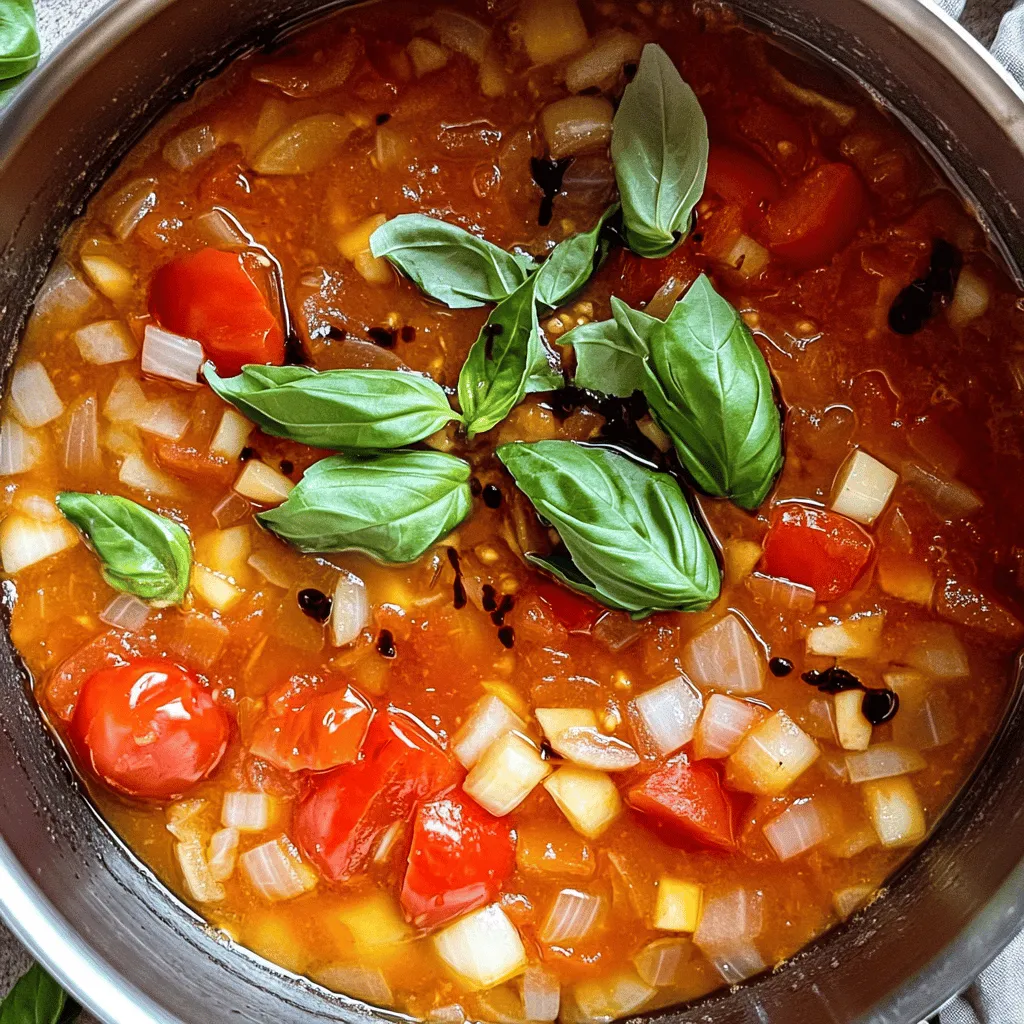
- Ripe tomatoes: Use 8 ripe tomatoes. They add natural sweetness and depth. Choose tomatoes that feel heavy and have rich color. This makes your sauce bright and tasty. - Onions and garlic: One medium onion and four cloves of garlic are key. Onions add sweetness, while garlic gives a nice kick. Sauté them together to build flavor right away. - Herbs and spices: Use dried oregano and basil, each 1 teaspoon. They add warmth and aroma. You can also add ½ teaspoon of red pepper flakes for some heat. This spice gives your sauce character. - Olive oil: One tablespoon adds richness. It helps the onions cook softly. It also brings all flavors together. Use good quality olive oil for the best taste. - Red pepper flakes: If you like heat, add red pepper flakes. Start with a small amount and adjust to your taste. This spice will wake up your sauce. - Other flavor enhancers: Consider adding 1 tablespoon of balsamic vinegar. It balances the acidity of the tomatoes. It adds a deep, sweet flavor to your sauce. You can also add salt and pepper to taste. For the full recipe, you can check the details provided above. To kick off your homemade tomato sauce, we start with the aromatics. Heat one tablespoon of olive oil in a large saucepan over medium heat. Once the oil shimmers, toss in one diced onion. Sauté it for about five minutes. You want it soft and translucent, not brown. This step builds a strong base for your sauce. Next, add four minced garlic cloves to the pan. Stir them in and let them cook for one to two minutes. The garlic should be fragrant but not burnt. This mix of onion and garlic gives the sauce depth and flavor. Now, it’s time to add the tomatoes. Use eight ripe tomatoes, quartered. Toss them into the pan with the onions and garlic. Stir everything well and let it cook for about ten minutes. This time allows the tomatoes to soften and break down. As you cook, stir every few minutes. This keeps the sauce from sticking and helps it break down evenly. You want to see the tomatoes start to lose their shape, becoming saucy and delicious. Once the tomatoes are soft, add the spices. Include one teaspoon of dried oregano, one teaspoon of dried basil, and half a teaspoon of red pepper flakes if you like heat. Season with salt and pepper to taste. Mix everything well and let it cook for an additional fifteen minutes. This step thickens the sauce and melds the flavors. After the sauce thickens, it’s time to puree it. You can use an immersion blender right in the pot for a smooth texture. If you prefer chunks, blend just a little. If you don't have an immersion blender, carefully transfer the sauce to a regular blender, blend, and return it to the pot. Finally, taste your sauce. Adjust seasoning with more salt, pepper, or even a splash of balsamic vinegar for brightness. If you need more time, let it simmer for another five minutes to combine the flavors. Your homemade tomato sauce is now ready to serve or store! Using fresh tomatoes makes a big difference. Fresh tomatoes have bright flavor and sweetness. They give your sauce life. If you use canned tomatoes, choose high-quality ones for the best taste. To balance the sauce's acidity, add balsamic vinegar. This vinegar adds a hint of sweetness and depth. Just one tablespoon works wonders. Mix it in after cooking to enhance the flavor. To test the sauce's thickness, use a spoon. Dip the spoon into the sauce and lift it. If it coats the back, it’s just right. If it’s too thin, let it simmer longer. If it’s too thick, add a splash of water. For blending, an immersion blender is great. It’s easy to use and quick to clean. If you prefer a traditional blender, pour the sauce in batches. Be careful with hot liquids to avoid splatters. Watch the cooking time closely. Overcooking makes the sauce bitter and dry. Under-cooking leaves it watery and bland. Find that sweet spot for the best taste. Seasoning is key. Don't skip salt and pepper. Taste your sauce as it cooks. Adjust seasoning until it's just right. A little extra can make a huge difference. {{image_2}} To make your sauce even better, you can add a sweetener. This helps balance the acidity of the tomatoes. A little sugar or honey works well. You can also try maple syrup for a unique twist. Adding vegetables boosts both flavor and nutrition. Try bell peppers, carrots, or zucchini. You can finely chop them and sauté them with the onions. This simple step adds depth and richness to your sauce. You can use a slow cooker for a hands-off approach. Just add all the ingredients in the morning. Let it simmer all day. When you return home, the smell will be amazing! Roasting tomatoes before cooking enhances their natural sweetness. Cut them in half and roast them in the oven. This method caramelizes the sugars, which adds a rich flavor to your sauce. For an Italian-style sauce, you can add a splash of red wine. This gives a richer taste and aroma. You can also include olives or capers for a briny kick. If you like heat, try adding chipotle peppers for a spicy southwest hint. You can mix in smoked paprika for a smoky flavor. This will give your sauce a unique and bold twist. Explore these variations to create a sauce that suits your taste. For the full recipe, check out the Sunkissed Tomato Bliss Sauce! To keep your homemade tomato sauce fresh, store it properly. For short-term storage, place your sauce in an airtight container. It can last in the fridge for about 5 to 7 days. Make sure it cools down before sealing it. This helps prevent moisture build-up. For long-term storage, freeze the sauce. You can pour the cooled sauce into freezer bags or containers. Label them with the date. The sauce can last up to 3 months in the freezer. Just remember to leave some space in the container, as the sauce will expand. Canning homemade tomato sauce is a great way to enjoy it later. Use sterilized jars to store the sauce. Fill the jars while the sauce is hot. Seal them tightly and process in a water bath for safety. This keeps your sauce fresh for up to a year. For storage containers, glass jars are best. They do not leach chemicals and are easy to clean. You can also use BPA-free plastic containers, but glass is safer for long-term use. To reheat your sauce, use a saucepan on low heat. Stir often to avoid burning. Adding a splash of water or olive oil can help keep the sauce smooth. For safety, heat it to a minimum of 165°F (74°C) before serving. If you use the microwave, cover the bowl to avoid splatters. Stir it halfway through for even heating. Enjoy your sauce on pasta, pizza, or any dish you love! Homemade tomato sauce lasts about 5 to 7 days in the fridge. To store, place it in an airtight container. It helps to let the sauce cool before sealing it. Always check for signs of spoilage, like off smells or mold. If you want it to last longer, consider freezing it. Frozen sauce can last for up to 6 months. Just thaw it in the fridge before using. Yes, you can use canned tomatoes for this recipe. Canned tomatoes are convenient and save time. They often come peeled and ready to use. However, fresh tomatoes can bring a brighter flavor. Canned tomatoes may lack some freshness but provide a rich taste. When using canned, select whole or crushed tomatoes for the best results. They can also be a great option in off-season months when fresh tomatoes are hard to find. You can use homemade tomato sauce in many dishes. It's great with pasta, pizza, or lasagna. You can also use it as a base for soups or stews. Try it with meatballs or on a simple grilled cheese sandwich. Homemade sauce can also enhance dishes like stuffed peppers or shakshuka. Don't forget to use it for dipping breadsticks or garlic bread! With so many options, you'll find plenty of ways to enjoy your sauce. For the full recipe, check out the Sunkissed Tomato Bliss Sauce. You learned about making a great homemade tomato sauce. Fresh ingredients like ripe tomatoes, onions, and garlic are key. Olive oil boosts flavor, while adjusting heat with red pepper flakes brings depth. I shared steps to prepare, cook, and adjust the sauce to your taste. Remember, you can explore variations and tips to perfect your sauce. Store it properly to enjoy later. With a few simple steps, you’ll create delicious meals to share and savor. Perfecting this sauce can enhance your cooking journey and bring joy to your table. Enjoy the process!
Homemade Tomato Sauce Flavorful and Simple Recipe
Are you ready to elevate your meals with a vibrant homemade tomato sauce? Fresh tomatoes can turn any dish into a flavor masterpiece. In this
To make Buffalo Chicken Stuffed Sweet Potatoes, gather these ingredients: - 4 medium sweet potatoes - 2 cups shredded cooked chicken - ½ cup buffalo sauce - ½ cup cream cheese, softened - ½ cup shredded cheddar cheese - 3 green onions, chopped - Salt and pepper to taste - 2 tablespoons olive oil These ingredients combine to create a warm, tasty meal. The sweet potatoes give a nice balance to the spicy chicken filling. You can add extra flavor with these optional toppings: - Blue cheese crumbles - Additional green onions - Ranch dressing These toppings make the dish even more fun and exciting. They add creaminess and freshness. Choosing the right ingredients makes a big difference. Use fresh sweet potatoes. They should be firm and without bruises. For the chicken, rotisserie chicken works great. It saves time and adds flavor. Select a buffalo sauce that you love. Each brand has its own heat level. Cream cheese should be fresh and smooth. This makes mixing easier and gives a creamy texture. Finally, use good-quality cheese for the best melt and taste. These simple choices will make your dish shine. {{ingredient_image_1}} First, preheat your oven to 400°F (200°C). This step ensures your sweet potatoes cook evenly. Wash the sweet potatoes well. Use a fork to poke a few holes in each potato. This helps steam escape while baking. Next, rub each potato with olive oil. Sprinkle salt on top for flavor. Place them on a baking sheet. Bake for about 45-60 minutes. You want them tender and soft. While the sweet potatoes bake, prepare the filling. In a mixing bowl, add 2 cups of shredded cooked chicken. Pour in ½ cup of buffalo sauce and mix it well. Make sure every piece of chicken is coated. Next, add in ½ cup of softened cream cheese. Stir until everything is combined. If you enjoy heat, add more buffalo sauce for a kick. Once your sweet potatoes are done, take them out of the oven. Let them cool for a few minutes. Slice each sweet potato lengthwise. Carefully scoop out some flesh to make space for the filling. You can mix this flesh into the chicken mixture for added creaminess. Now, fill each sweet potato with the buffalo chicken mix. Top with shredded cheddar cheese. Return them to the oven for an extra 10-15 minutes. Bake until the cheese is melted and bubbly. Finally, garnish with chopped green onions and any optional toppings you like. To bake sweet potatoes just right, start by washing them well. Poke a few holes with a fork. This helps steam escape while they cook. Rub each potato with a bit of olive oil and sprinkle salt on top. Place them on a baking sheet. Bake at 400°F (200°C) for 45-60 minutes. Check if they are soft by piercing with a fork. Perfectly baked sweet potatoes should feel tender. If you crave more heat, add extra buffalo sauce to the chicken mix. You can also blend in diced jalapeños for an extra kick. For a smoky flavor, try adding chipotle sauce. Adjust the spice to fit your taste. Don’t forget to taste as you go. This way, you’ll find the perfect balance for your dish. Serve the stuffed sweet potatoes warm, right out of the oven. Garnish with chopped green onions for crunch. Blue cheese crumbles add a creamy contrast. If you love ranch dressing, drizzle some on top. For a fun twist, serve with celery sticks on the side. This dish is perfect for game day or a cozy dinner. Enjoy it with friends and family for a memorable meal! Pro Tips Use Fresh Ingredients: Always opt for fresh sweet potatoes and high-quality chicken for the best flavor. Customize Spice Levels: Adjust the amount of buffalo sauce to match your desired spice level; you can even mix in some hot sauce for extra heat. Mix in the Flesh: Incorporate the scooped-out sweet potato flesh into the buffalo chicken mixture for added creaminess and flavor. Let Them Cool: Allow the sweet potatoes to cool slightly after baking to make handling and stuffing easier without burning your hands. {{image_2}} You can switch up the protein in this dish. Instead of chicken, try shredded turkey. It has a similar taste and texture. You might also use pulled pork for a smoky flavor. If you love beef, seasoned ground beef works great too. Each option gives a unique twist to your stuffed sweet potatoes. For a vegan or vegetarian version, use lentils or chickpeas. These proteins are full of fiber and taste great. Mix them with buffalo sauce for that spicy kick. You can also add sautéed mushrooms for a meaty texture. Use vegan cream cheese to keep things dairy-free. This way, everyone can enjoy these tasty sweet potatoes. Cheese adds richness to the dish, so pick your favorite. Instead of cheddar, try mozzarella for a gooey texture. Feta brings a salty tang that works well with buffalo sauce. If you want a sharper taste, go for pepper jack cheese. Each cheese adds a new flavor and keeps the dish fun and exciting. To store leftovers, let the stuffed sweet potatoes cool completely. Place them in an airtight container. You can keep them in the fridge for up to three days. This will help maintain their taste and texture. If you want to keep them longer, consider freezing. Reheat your leftovers in the oven for the best taste. Preheat the oven to 350°F (175°C). Place the stuffed sweet potatoes on a baking sheet. Warm them for about 15-20 minutes, or until heated through. You can also use the microwave. Heat on high for about 2-3 minutes. Check if they are hot in the center. Freezing is a great option for meal prep. After cooking, let the sweet potatoes cool. Wrap each one tightly in plastic wrap. Place them in a freezer-safe bag or container. They can last up to three months in the freezer. To eat, thaw them overnight in the fridge. Then, reheat as mentioned above. Yes, you can use regular potatoes. They will taste different. Sweet potatoes add sweetness and nutrients. Regular potatoes are starchy but have less flavor. Try Yukon Gold or Russet potatoes for a good texture. Bake them the same way, but check for doneness. The spice level depends on the buffalo sauce you choose. Most buffalo sauces are spicy but not too hot. You can adjust the heat by adding more sauce or using a milder brand. If you want less heat, mix in more cream cheese. This will balance the spice and add creaminess. You can use Greek yogurt or sour cream. Both will make the filling creamy. For a dairy-free option, use cashew cream or dairy-free cream cheese. Each will give a different flavor, but they all work well. Just mix them into the chicken and buffalo sauce like you would with cream cheese. This blog post covered how to make buffalo chicken stuffed sweet potatoes. We explored ingredient lists, including optional toppings that enhance flavor. I shared step-by-step instructions for preparing sweet potatoes, making the filling, and baking your dish. You learned tips for perfect baking and how to serve it best. We also discussed tasty variations and storage options. Remember, cooking is about experimenting and having fun. With these ideas, you can now create your own delicious meals. Enjoy your kitchen adventures!
Buffalo Chicken Stuffed Sweet Potatoes Flavorful Dish
Are you craving a dish that’s both bold and comforting? Buffalo Chicken Stuffed Sweet Potatoes pack a flavor punch and are easy to make. Imagine
To make Tuscan chickpea soup, gather these simple ingredients: - 2 cups cooked chickpeas (canned or cooked from dry) - 1 large onion, finely chopped - 2 cloves garlic, minced - 2 medium carrots, diced - 2 stalks celery, diced - 1 yellow bell pepper, diced - 4 cups vegetable broth - 1 can (14 oz) diced tomatoes (with their juice) - 1 teaspoon dried oregano - 1 teaspoon dried basil - 1/2 teaspoon red pepper flakes (adjust for spice level) - Salt and pepper to taste - 2 cups fresh spinach or kale - 2 tablespoons olive oil - Grated Parmesan cheese (optional, for serving) - Fresh basil leaves (for garnish) Choosing fresh ingredients makes a big difference in flavor. Here are my tips: - Chickpeas: If using canned, check the label for low sodium options. If cooking from dry, soak them overnight for the best texture. - Vegetables: Look for firm carrots, vibrant bell peppers, and crisp celery. They should feel heavy for their size. - Herbs: Fresh herbs add depth. If you can, pick fresh basil instead of dried. It adds a bright note to the soup. - Broth: Choose a vegetable broth that’s low in sodium. This helps you control the salt in your dish. Personalizing your soup can elevate your experience. Here are some ideas: - Protein: Add cooked chicken or turkey for extra heartiness. - Beans: Try adding white beans for a different texture. - Spices: A pinch of smoked paprika can add a nice depth. - Lemon Juice: A squeeze at the end brightens the soup’s flavor. - Herbs: Experiment with fresh thyme or rosemary for a unique twist. For the full recipe, check out the detailed steps to create this hearty and wholesome delight. Enjoy making your Tuscan chickpea soup! To make Tuscan chickpea soup, gather all your ingredients first. This soup is quick and easy. You will need cooked chickpeas, fresh veggies, and herbs. Chop your onion, garlic, carrots, celery, and bell pepper. This will help the soup cook evenly. 1. Heat the Oil: Use a large pot and heat 2 tablespoons of olive oil over medium heat. 2. Sauté the Onion: Add the chopped onion. Cook for 3-4 minutes until it is soft and clear. 3. Add the Garlic and Veggies: Stir in 2 minced garlic cloves, diced carrots, celery, and bell pepper. Cook for another 5-7 minutes. 4. Combine Ingredients: Add the 2 cups of chickpeas, 14 oz can of diced tomatoes, 4 cups of vegetable broth, and herbs. Mix well. 5. Bring to a Boil: Increase the heat until the soup boils. Then, lower the heat to simmer for 20-25 minutes. 6. Add Greens: In the last 5 minutes, stir in 2 cups of fresh spinach or kale. Cook until wilted. 7. Taste and Adjust: Taste the soup and add salt and pepper to your liking. This simple cooking process brings out rich flavors. Serve the soup hot for the best taste. You can add grated Parmesan cheese on top for creaminess. Fresh basil leaves make a lovely garnish. Pair this soup with crusty bread for a filling meal. For a fun twist, try adding a drizzle of olive oil on top before serving. This brings extra flavor and looks nice. Enjoy your hearty bowl of Tuscan chickpea soup! You can find the Full Recipe for more details. When making Tuscan chickpea soup, avoid overcooking the vegetables. They should be soft but not mushy. Always check the seasoning before serving. Adding salt too early can make the soup taste flat. If you use canned chickpeas, rinse them well. This helps remove excess sodium and improves taste. To boost flavors, use fresh herbs. Adding fresh basil at the end brightens the dish. You can also add a splash of lemon juice for a zesty kick. For a smoky flavor, try adding smoked paprika. Adjust the red pepper flakes for your spice level. More heat makes it exciting! For a creamy texture, blend a portion of the soup. This gives a smooth base while keeping some whole chickpeas intact. Adding spinach or kale in the last few minutes keeps them vibrant and fresh. If the soup seems too thick, adjust with more broth. You want a hearty yet pourable consistency. This Tuscan chickpea soup is a warm hug in a bowl. Find the full recipe to enjoy this delightful dish! {{image_2}} Tuscan chickpea soup is naturally gluten-free. You don't need to change anything to make it safe for those who avoid gluten. Just check your vegetable broth. Some brands add gluten. Always read labels to ensure safety. If you want more protein, consider adding meats. Cooked chicken or sausage works well. You can even use pancetta for a rich flavor. For a plant-based option, try adding tofu or tempeh. Both will soak up the soup's taste. Feel free to swap veggies based on your taste. You can use zucchini instead of carrots. Bell peppers can change, too. Try using red or green peppers. You might also enjoy adding mushrooms or sweet potatoes. Each option gives the soup a new twist. Get creative with your choices! For the complete recipe, check out the [Full Recipe]. To keep your Tuscan chickpea soup fresh, store it in an airtight container. Make sure it cools down first. This way, the flavors stay locked in. If you plan to eat it in a few days, keep it in the fridge. It should last 3 to 5 days in there. If you want to store it longer, freezing is a great option. When you reheat the soup, do it slowly on the stove. Pour the soup into a pot and heat it over low to medium heat. Stir it often to prevent burning. You can also use a microwave. Just heat it in short bursts, stirring in between. This helps it warm evenly. To freeze your Tuscan chickpea soup, let it cool completely. Then, pour it into freezer bags or containers. Leave some space at the top, as the soup will expand when frozen. It can stay good for up to three months in the freezer. When you’re ready to eat, thaw it overnight in the fridge. Then, reheat as mentioned above. Enjoy your meal later! You can find a full recipe for Tuscan chickpea soup in the main article. To make Tuscan chickpea soup vegan, skip the Parmesan cheese. This cheese adds a creamy taste, but you can use nutritional yeast instead for a cheesy flavor. The rest of the recipe is already plant-based. The soup is loaded with veggies and chickpeas, making it hearty and rich. Yes, you can use dried chickpeas. You need to soak them overnight first. After soaking, cook them until tender before adding to the soup. This may take longer, about 1-2 hours. Using dried chickpeas can give your soup a fresher taste. Pair this soup with crusty bread or a fresh salad. Garlic bread adds a nice crunch and flavor. A simple arugula salad with lemon dressing complements the soup well. These sides enhance the meal and make it feel more complete. For more flavors, you can add a dollop of pesto on top of the soup. For the full recipe, check the section above. In this blog post, we explored how to make Tuscan Chickpea Soup. We covered the ingredients needed and tips for choosing fresh ones. You now know the step-by-step cooking process and how to present your soup beautifully. We also shared common mistakes to avoid and ways to enhance the flavor. Finally, we looked at variations and storage tips. Remember, using the right ingredients and practices makes all the difference. Enjoy your cooking and share this delightful recipe with others!
Tuscan Chickpea Soup Hearty and Wholesome Delight
If you’re looking for a soup that warms your soul and fills your belly, you’ve found it! Tuscan Chickpea Soup is hearty, wholesome, and packed