WANT TO SAVE THIS RECIPE?
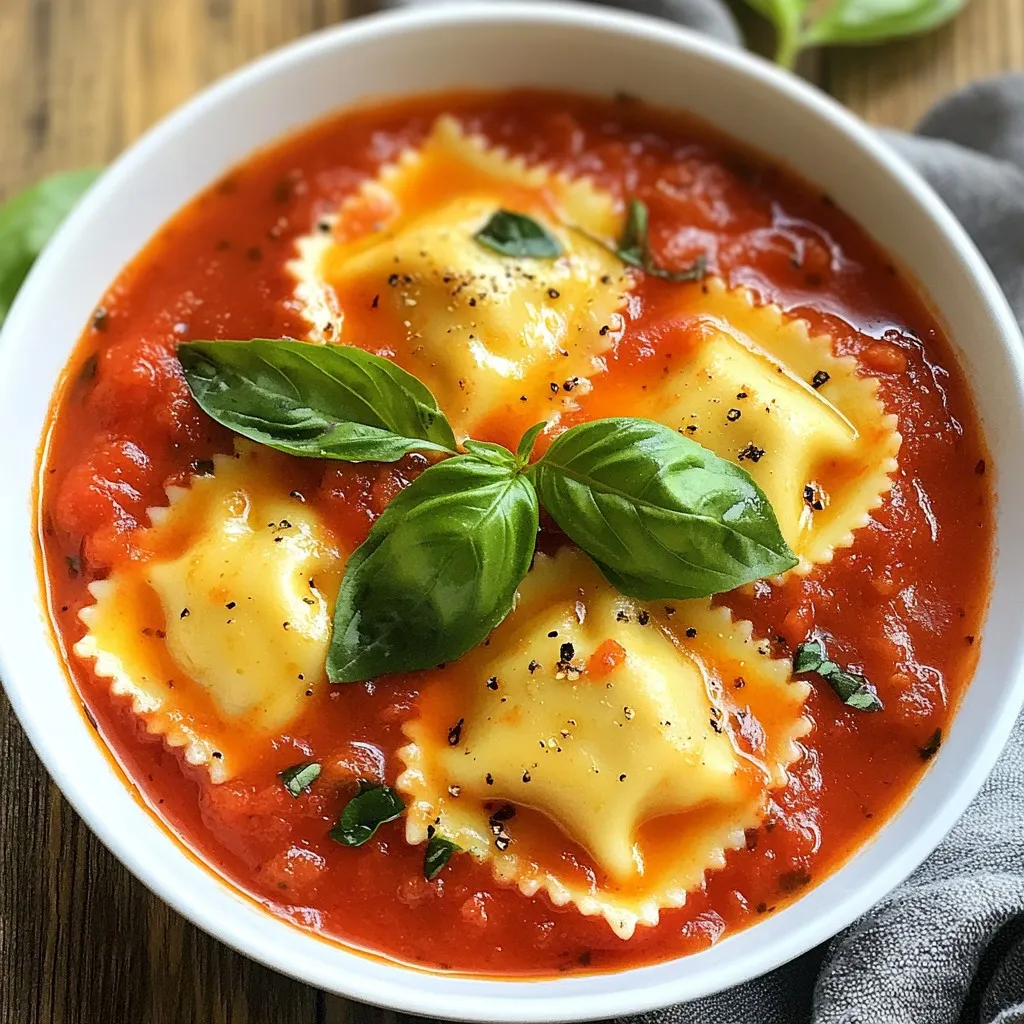
If you crave a rich and flavorful sauce for your homemade ravioli, you’re in the right place! This easy recipe combines fresh ingredients like garlic, onion, and crushed tomatoes for a taste that will impress any guest. With a few simple steps, you’ll have a delicious sauce ready to complement your dish. Let’s dive into the ingredients and get cooking! Your pasta night will never be the same!
Why I Love This Recipe
- Fresh Ingredients: This marinara sauce uses fresh garlic and herbs, bringing a vibrant flavor that jarred sauces just can’t match.
- Quick and Easy: In just 40 minutes, you can whip up a delicious sauce that’s perfect for weeknight dinners.
- Versatile: Whether you use it for pasta, pizza, or as a dipping sauce, this marinara adapts to any dish.
- Healthy Option: Made with wholesome ingredients, this sauce is a healthier alternative to many store-bought options.
Ingredients
Required Ingredients for Homemade Ravioli Sauce
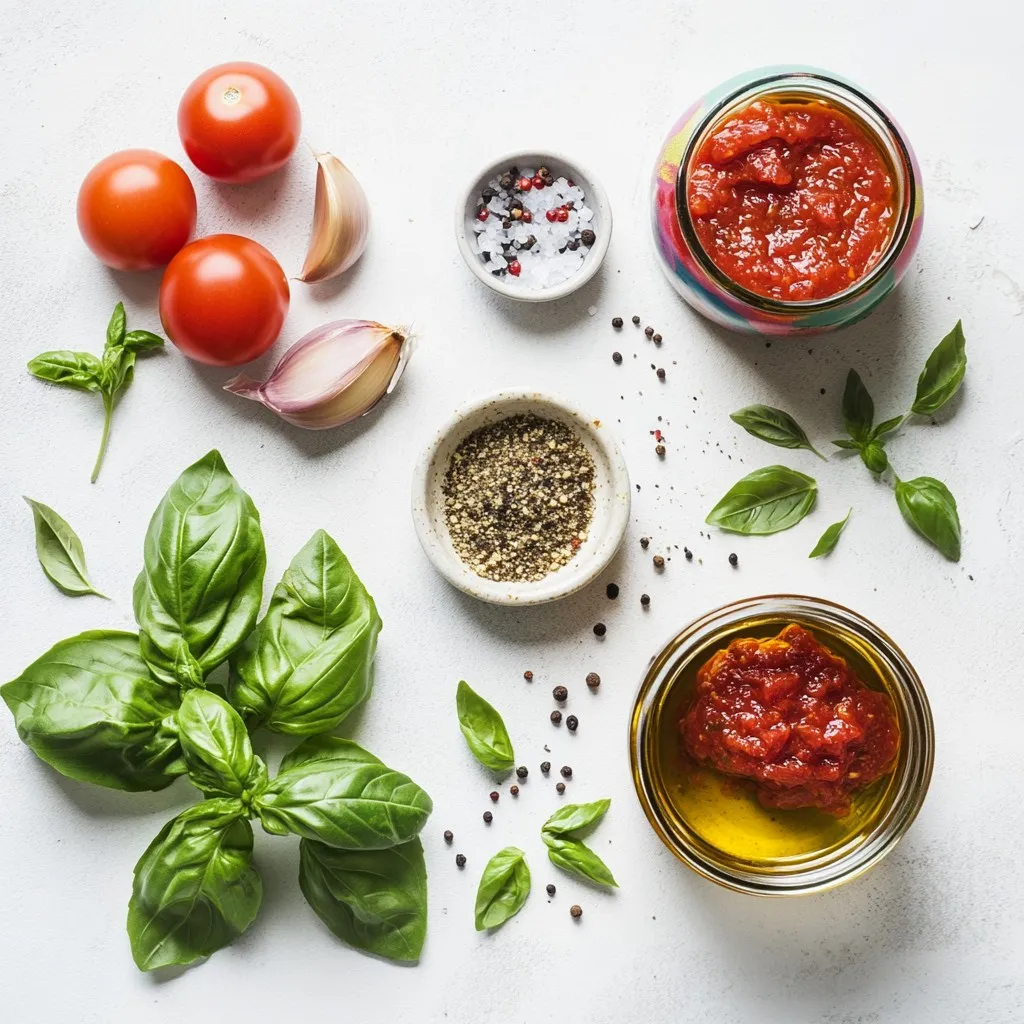
To make a rich and flavorful homemade ravioli sauce, gather these fresh ingredients:
– 2 tablespoons olive oil
– 1 medium onion, finely chopped
– 4 cloves garlic, minced
– 1 can (28 ounces) crushed tomatoes
– 1 tablespoon tomato paste
– 1 teaspoon sugar
– 1 teaspoon dried oregano
– 1 teaspoon dried basil
– Salt and pepper to taste
– Fresh basil leaves for garnish
Each ingredient plays a key role. The olive oil gives a smooth base. The onion adds sweetness. Garlic brings a strong aroma. Crushed tomatoes create a chunky texture. Tomato paste deepens the flavor. Sugar balances the acidity of tomatoes. Dried oregano and basil give classic Italian taste. Salt and pepper bring out all the flavors. Finally, fresh basil leaves add color and freshness.
Using high-quality ingredients makes a big difference. Fresh herbs and good olive oil enhance the taste. Make sure to prepare everything before you start cooking. This way, you can focus on making the sauce delicious!
Step-by-Step Instructions
Preparation of the Sauce
Heating the Olive Oil
Start by heating 2 tablespoons of olive oil in a large saucepan. Use medium heat. The oil should shimmer but not smoke.
Sautéing the Onion and Garlic
Next, add 1 medium onion, finely chopped. Sauté it for about 5-7 minutes. You want it soft and clear. Once the onion is ready, stir in 4 cloves of minced garlic. Cook it for 1-2 minutes. Watch it closely; you don’t want it to burn.
Combining the Tomatoes and Seasonings
Now, pour in a 28-ounce can of crushed tomatoes and add 1 tablespoon of tomato paste. Mix everything well. Then, add 1 teaspoon of sugar, 1 teaspoon of dried oregano, and 1 teaspoon of dried basil. Stir to blend the flavors. Season with salt and pepper to taste.
Simmering Process
Bringing to a Simmer
Bring the sauce to a gentle simmer. You’ll know it’s ready when small bubbles form. Once it starts simmering, reduce the heat to low.
Adjusting Seasonings
Let the sauce simmer uncovered for 20-25 minutes. Stir it occasionally. This helps the flavors mix well. After that time, taste the sauce. If needed, adjust the seasonings.
Final Touches
Cooling and Serving Suggestions
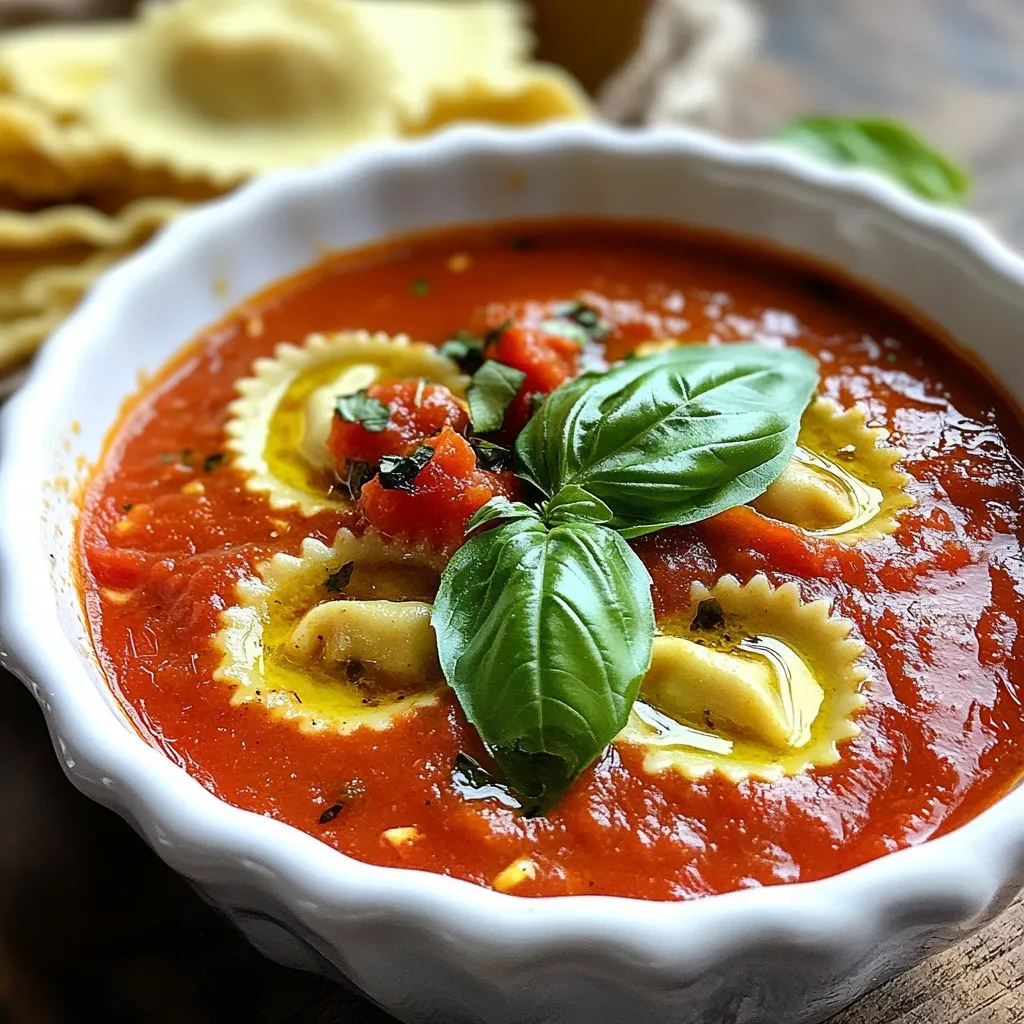
Once done, take the sauce off the heat. Let it cool slightly before serving. Pour the rich sauce over your freshly cooked ravioli. For a beautiful touch, garnish with fresh basil leaves and a drizzle of olive oil. Enjoy!
Tips & Tricks
Perfecting the Flavor
Importance of Fresh Ingredients
Using fresh ingredients makes a big difference. Fresh herbs add bright flavors. Fresh garlic gives a punch that dried can’t match. I always choose ripe tomatoes for a rich taste. These small choices lead to a better sauce.
Using Quality Olive Oil
Good olive oil is key for flavor. It adds richness and depth to the sauce. I like to use extra virgin olive oil. It has a bold taste that enhances your dish. A splash at the end adds a lovely finish.
Cooking Techniques
How to Avoid Burning Garlic
To avoid burning garlic, heat the oil first. Add the garlic only after the onion is soft. Stir the garlic for just one or two minutes. Watch closely, as it cooks fast. Burned garlic makes the sauce bitter.
Simmering Times for Flavor Depth
Simmering the sauce is crucial for flavor. After mixing in the tomatoes and spices, let it simmer for 20 to 25 minutes. This time allows the flavors to blend well. Stir it occasionally to keep it from sticking.
Presentation Tips
Garnishing Ideas
Garnishing elevates your dish. I like to use fresh basil leaves as a topping. A drizzle of olive oil adds gloss and flavor. You can also sprinkle some grated cheese for an extra touch.
Pairing with Ravioli
Serve your sauce over warm ravioli for a great meal. The sauce clings to the pasta, filling every bite with flavor. This pairing is comforting and delicious. You can use any filling you like!
Pro Tips
- Use Fresh Basil: Fresh basil adds a vibrant flavor that dried herbs can’t match. Add it at the end for the best taste.
- Adjust the Sweetness: If your tomatoes are too acidic, a touch more sugar can balance the flavors. Start with a small amount and taste as you go.
- Simmer Longer: For a richer flavor, let the sauce simmer longer than the suggested time. Just keep an eye on it and stir occasionally.
- Perfect Pairing: This marinara sauce pairs wonderfully with not just pasta, but also as a base for pizzas or a dipping sauce for breadsticks.
Variations
Alternative Ingredients
Using Fresh Tomatoes
You can make your sauce using fresh tomatoes. Start with ripe tomatoes for best taste. Use about 2 pounds of fresh tomatoes. First, blanch them to remove the skins. Then, chop them and add them to your sauce base. This step gives your sauce a bright, fresh flavor.
Adding Vegetables to the Sauce
Want to add more nutrition? Toss in some veggies! Chopped bell peppers, carrots, or zucchini work well. Sauté them with the onion for extra flavor. This not only enhances the taste but also adds color and texture to your sauce.
Dietary Considerations
Gluten-Free Options
If you need a gluten-free sauce, you’re in luck! This tomato sauce is naturally gluten-free. Just make sure to serve it with gluten-free ravioli. Check the labels on store-bought options to be safe.
Vegan Adaptations
This sauce is already vegan-friendly. It contains no animal products. You can enhance the flavor with some nutritional yeast for a cheesy taste. Add a sprinkle when serving to add depth and richness.
Regional Variations
Italian-American Style
The Italian-American style is rich and hearty. It often includes meat like ground beef or sausage. For this version, brown the meat before adding the tomatoes. This gives a robust flavor that pairs well with ravioli.
Spicy Arrabbiata Style
For a kick, try the spicy Arrabbiata style. Add red pepper flakes when sautéing the garlic. This will give your sauce a nice heat. Serve it over your ravioli for a zesty experience.
Storage Info
Storing Leftovers
Refrigeration Tips
After you make your hearty tomato basil marinara, let it cool first. Then, pour it into a clean, airtight container. Store it in the fridge. It should stay good for up to five days. Always label the container with the date.
Freezing Instructions
For longer storage, freeze the sauce. Use freezer-safe containers or bags. Make sure to leave some space for expansion. The sauce can last up to three months in the freezer. When you’re ready to use it, thaw it in the fridge overnight.
Reheating Methods
Best Practices for Quality Retention
To reheat your sauce, use a saucepan over low heat. Stir it often to avoid sticking. You can add a splash of water or broth if it seems too thick. If you’re in a hurry, use the microwave. Heat it in short bursts, stirring in between. This helps keep the sauce tasty and smooth.
Shelf Life
How Long Can the Sauce Last
In the fridge, your sauce lasts about five days. If you freeze it, aim for three months. After that, the flavor and texture may change. Always check for signs of spoilage, like odd smells or changes in color. Enjoy your homemade sauce while it’s at its best!
FAQs
What is the best way to enhance homemade ravioli sauce?
To enhance homemade ravioli sauce, you can try two main methods. First, adding fresh herbs makes a big difference. Fresh basil or parsley brightens up the sauce. Chop them finely and stir them in right before serving.
Second, incorporating wine adds depth. A splash of red wine gives a rich flavor. You can add it after sautéing the onion and garlic. Let it cook for a minute before adding the tomatoes. This small step makes a big impact.
Can I use this sauce for other dishes?
Yes, this sauce is very versatile! You can use it for many dishes beyond ravioli. It works great with pasta, pizza, or even as a dipping sauce for breadsticks. You can also layer it in lasagna for extra flavor. This sauce pairs well with grilled chicken or fish, too. The options are endless.
How do I make a spicier version of this sauce?
To spice up your sauce, you have a few easy options. Start by adding red pepper flakes. Just a pinch can give the sauce a nice kick.
You can also include diced jalapeños or fresh chili peppers. Sauté them with the onion for a deeper heat. For a smoky flavor, consider adding chipotle peppers in adobo sauce. These changes will give your sauce a bold twist.
You learned how to make a tasty homemade ravioli sauce. With simple ingredients like olive oil, tomatoes, and fresh herbs, you can create a flavorful dish. I shared helpful tips for cooking and storing your sauce. Don’t forget to try variations to suit your taste. Now, you can impress others with your cooking skills. Enjoy making and sharing this delicious sauce, and don’t hesitate to get creativ
Hearty Tomato Basil Marinara
A rich and flavorful marinara sauce made with crushed tomatoes, garlic, and fresh basil.
Course Main Course
Cuisine Italian
Servings 4
Calories 150 kcal
- 2 tablespoons olive oil
- 1 medium onion, finely chopped
- 4 cloves garlic, minced
- 28 ounces crushed tomatoes
- 1 tablespoon tomato paste
- 1 teaspoon sugar
- 1 teaspoon dried oregano
- 1 teaspoon dried basil
- to taste salt
- to taste pepper
- for garnish fresh basil leaves
Heat the olive oil in a large saucepan over medium heat.
Add the chopped onion and sauté until it becomes soft and translucent, about 5-7 minutes.
Stir in the minced garlic and cook for an additional 1-2 minutes until fragrant, being careful not to burn it.
Pour in the crushed tomatoes along with the tomato paste, and stir to combine.
Sprinkle in the sugar, dried oregano, and dried basil. Mix well.
Season with salt and pepper to taste.
Bring the sauce to a simmer, then reduce the heat to low. Let it simmer, uncovered, for about 20-25 minutes to allow the flavors to meld together, stirring occasionally.
Once done, remove from heat and let it cool slightly before serving.
Serve the marinara sauce over freshly cooked ravioli, and garnish with fresh basil leaves and a drizzle of olive oil for a beautiful touch.
Keyword basil, marinara, sauce, tomato
WANT TO SAVE THIS RECIPE?