Go Back
- 12 oz fettuccine or spaghetti pasta - 4 tablespoons unsalted butter - 6 cloves garlic, minced - 1 cup heavy cream - 1 cup grated Parmesan cheese - 1/2 teaspoon red pepper flakes - Fresh parsley, chopped - Zest of 1 lemon - Salt and black pepper to taste When cooking for different servings, adjust the pasta. Use 3 oz per person. For cheese, try mozzarella or pecorino. If you need gluten-free options, choose rice or corn pasta. These keep the dish tasty and safe for all diets. {{ingredient_image_1}} To start, fill a large pot with water. Bring it to a boil. You need to add salt to the water. This helps flavor the pasta. Use about 1 tablespoon of salt for every 4 quarts of water. Next, add your fettuccine or spaghetti. Cook it according to the package instructions. Aim for al dente pasta, which means it should be firm but not hard. This usually takes about 8-10 minutes. Before you drain the pasta, remember to reserve 1 cup of pasta water. This water will help make the sauce creamy later. Drain the rest of the water and set the pasta aside. In a large skillet, melt 4 tablespoons of unsalted butter over medium heat. Once it melts, add 6 cloves of minced garlic. Sauté the garlic for about 1-2 minutes. You want it to be fragrant and slightly golden. Be careful not to let it burn, as burnt garlic can taste bitter. Now, slowly pour in 1 cup of heavy cream. Stir well to combine. Let it simmer for about 3-5 minutes. This helps the sauce thicken a bit. Next, gradually whisk in 1 cup of grated Parmesan cheese. Keep stirring until the cheese melts and the sauce is smooth. If the sauce gets too thick, add a little of that reserved pasta water. This will help get the right consistency. Once your sauce is ready, it’s time to mix it with the pasta. Add the drained pasta to the skillet with the sauce. Toss it well to coat the pasta evenly. If the sauce seems too thick, add more reserved pasta water until it looks just right. Finally, add salt, black pepper, and any red pepper flakes if you like a bit of heat. Make sure everything is well seasoned and mixed. Heat for another minute, then it's ready to serve! Using fresh garlic makes a big difference. Fresh garlic gives a strong and bright taste. Jarred garlic lacks the same punch. Always choose fresh for the best flavor. Adding herbs makes your dish pop. Fresh parsley or basil adds a nice touch. You can also try thyme or oregano. These herbs pair well with garlic and cheese. Want some heat? Use red pepper flakes. They add spice without overpowering. Start with a small amount and taste as you go. To make a creamy sauce, use low heat. High heat can make the cream separate. Stir often to blend the ingredients well. This ensures a smooth and rich sauce. Be careful with garlic. Burnt garlic tastes bitter. Sauté it until golden but not dark brown. This step is key for the best flavor. For perfect pasta texture, cook until al dente. This means it should be firm to the bite. Remember to reserve some pasta water. It helps adjust the sauce later. Garnish with fresh parsley. It adds color and freshness to your dish. A sprinkle on top makes the pasta look inviting. For a beautiful plate, use a large bowl. Twirl the pasta in the center and let it shine. You can also add extra cheese on top for a nice touch. A sprinkle of lemon zest can brighten the dish. It adds a fresh and zesty note. Just a little goes a long way in enhancing flavor. Pro Tips Use Fresh Garlic: For the best flavor, use fresh garlic instead of pre-minced garlic. Fresh garlic has a stronger aroma and taste that enhances the dish. Reserve Pasta Water: Always reserve some pasta water before draining. This starchy water can be used to adjust the sauce's consistency and help it cling to the pasta. Adjust Spice Level: If you prefer a milder dish, reduce or omit the red pepper flakes. Conversely, if you love heat, feel free to add more! Garnish Generously: Don't skip the fresh parsley and extra Parmesan for garnish. They add color and additional flavor that elevates the presentation and taste. {{image_2}} Adding protein to your Garlic Parmesan Pasta can make it heartier. Here are some easy options: - Grilled Chicken: Slice cooked chicken and mix it in for a tasty twist. The chicken adds texture and keeps the dish filling. - Incorporating Shrimp or Seafood: Cook shrimp in the sauce for a rich flavor. You can also add scallops or crab for something special. - Vegetarian Options with Mushrooms: Sauté mushrooms in butter for a savory touch. They add depth and flavor without meat. Veggies can brighten your Garlic Parmesan Pasta. Consider these additions: - Spinach or Kale: Stir in fresh spinach or kale for a healthy boost. They cook down nicely and add color. - Roasted Tomatoes or Bell Peppers: Toss in roasted tomatoes or bell peppers for a sweet touch. Their natural sugars enhance the dish. - Broccoli or Peas: Add steamed broccoli or peas for crunch. Both veggies pair well with the creamy sauce. Changing up the flavors can create a new experience. Here are some ideas: - Adding Different Cheeses: Try gouda, mozzarella, or even feta for a unique taste. Each cheese brings its own flair. - Using a Different Type of Pasta: Penne or rigatoni can give different shapes and textures. Both hold sauce well. - Infusing with Lemon or Basil: A little lemon zest brightens the dish. Fresh basil adds a fragrant note that elevates the flavors. To store Garlic Parmesan Pasta, let it cool down first. Place it in an airtight container. This keeps moisture in and prevents the pasta from drying out. Glass or plastic containers work well. Make sure to seal it tightly. This method will keep your pasta fresh for a few days. You can freeze Garlic Parmesan Pasta for later use. First, let it cool completely. Then, transfer the pasta to a freezer-safe bag or container. Remove as much air as possible. Label the bag with the date. To reheat, thaw it in the fridge overnight. Then, heat it gently in a pan. Add a splash of cream or water to restore creaminess. Refrigerated leftovers last for about 3 to 5 days. Check for signs of spoilage before eating. Look for a sour smell or mold on the pasta. If you see any, throw it away. Always trust your senses; they guide you well in the kitchen. Can I make Garlic Parmesan Pasta ahead of time? Yes, you can make Garlic Parmesan Pasta ahead of time. Cook the pasta and sauce separately. Store each in a container in the fridge. When you want to serve it, just heat both and mix them together. How can I make it dairy-free? To make this dish dairy-free, swap heavy cream for coconut cream. Use nutritional yeast instead of Parmesan. This gives a cheesy flavor without dairy. What to serve with Garlic Parmesan Pasta? Garlic Parmesan Pasta pairs well with a fresh salad or grilled vegetables. You can also serve it with garlic bread. The bread helps to soak up the creamy sauce. Why is my sauce not creamy? If your sauce is not creamy, it could be too thick. Add a bit of reserved pasta water slowly to thin it out. Stir well until you reach your desired creaminess. How do I prevent pasta from sticking together? To prevent sticking, stir the pasta often while it cooks. After draining, toss it with a little olive oil. This helps keep the noodles separate. What can I use instead of heavy cream? You can use cashew cream or almond milk mixed with a bit of flour. This gives you a creamy texture without heavy cream. How much Parmesan cheese is needed for best taste? I recommend using one cup of grated Parmesan cheese. This amount gives a rich flavor without overpowering the dish. You can add more if you love cheese! You now have the tools to make delicious Garlic Parmesan Pasta. We covered key ingredients, from pasta to cheese. I shared steps for cooking and tips to enhance flavors. You can customize your dish with proteins and veggies. Storing and reheating tips help maintain taste and texture. Remember, a little attention to detail goes a long way. Enjoy your cooking journey and impress everyone with your skills!

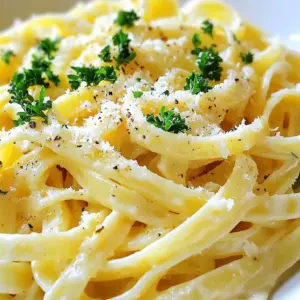
Garlic Parmesan Creamy Pasta

A rich and creamy pasta dish infused with garlic and Parmesan, perfect for a comforting meal.
Course Main Course
Cuisine Italian
Servings 4
Calories 600 kcal

Ingredients
  

  • 12 oz fettuccine or spaghetti pasta
  • 4 tablespoons unsalted butter
  • 6 cloves garlic, minced
  • 1 cup heavy cream
  • 1 cup grated Parmesan cheese
  • 0.5 teaspoon red pepper flakes (optional)
  • to taste Salt and black pepper
  • for garnish Fresh parsley, chopped
  • 1 Zest of 1 lemon

Instructions
 

  • Cook the Pasta: Begin by boiling a large pot of salted water. Add the fettuccine or spaghetti and cook according to package instructions until al dente. Reserve 1 cup of pasta water and then drain the rest.
  • Prepare the Sauce: In a large skillet over medium heat, melt the butter. Add the minced garlic and sauté for 1-2 minutes until fragrant and golden, being careful not to burn it.
  • Add Cream: Slowly pour in the heavy cream and stir well to combine. Let it simmer for about 3-5 minutes until slightly thickened.
  • Incorporate Cheese: Gradually whisk in the grated Parmesan cheese until it melts and the sauce becomes smooth. If the sauce is too thick, add a little reserved pasta water to achieve your desired consistency.
  • Season: Stir in the red pepper flakes (if using), lemon zest, salt, and black pepper to taste.
  • Combine Pasta and Sauce: Add the drained pasta to the skillet and toss to coat the pasta evenly with the creamy sauce. Heat for an additional minute to ensure everything is well mixed.
  • Serve: Remove from heat, garnish with chopped fresh parsley, and an extra sprinkle of Parmesan if desired.

Notes

Add more or less red pepper flakes based on your spice preference.
Keyword creamy, garlic, parmesan, pasta